MARINO PH
Your Maritime Digital Hub

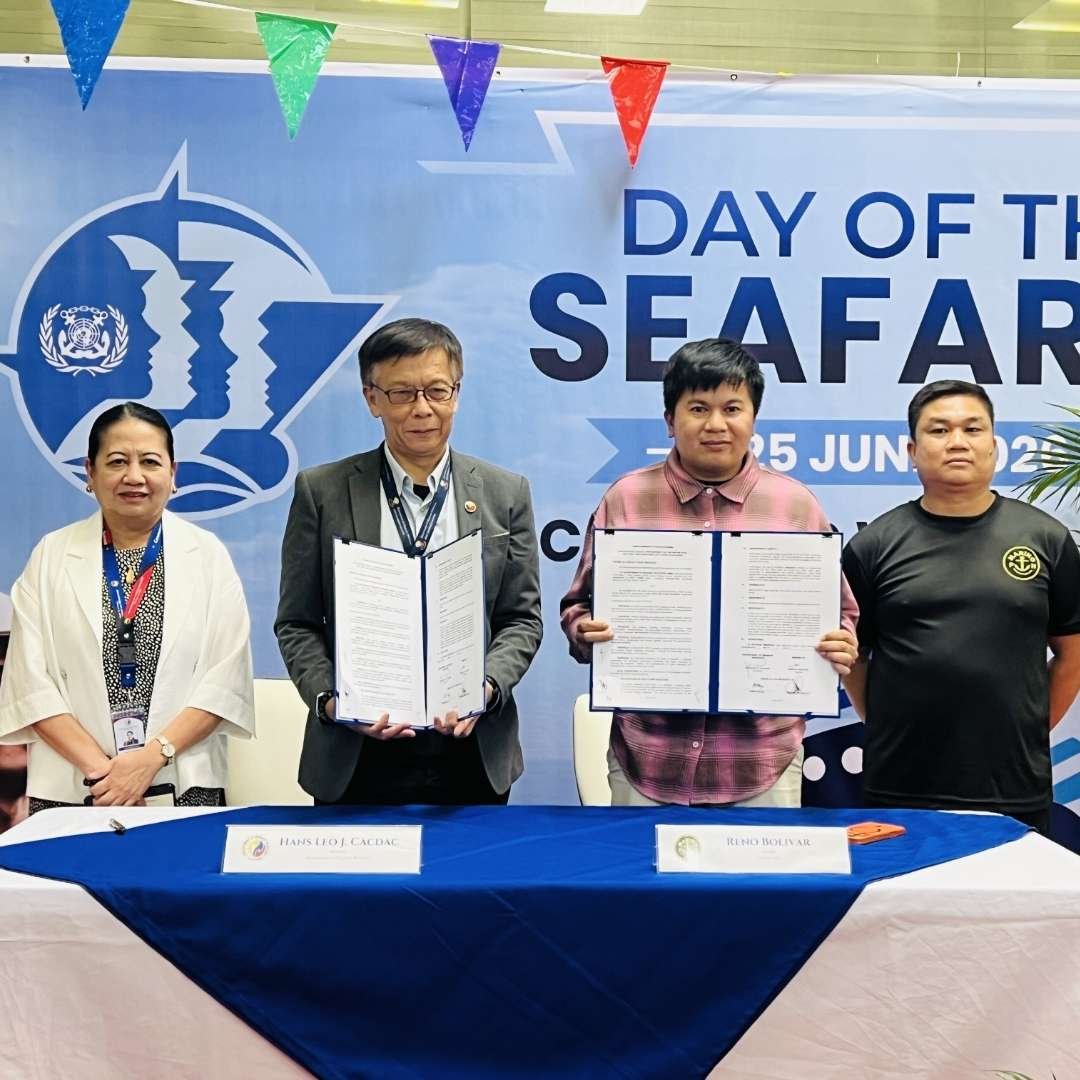
MANILA, Philippines — MARINO PH has established itself as the largest digital maritime media platform in the Philippines, building a nationwide and international audience centered on Filipino seafarers and the maritime industry. The organization now has more than 2.7 million followers on Facebook, while its official website, www.marinoph.com, has more than 900,000 subscribers and readers. Its digital presence is supported by strong social media reach and engagement, allowing maritime news, government advisories, industry developments, educational materials, employment information, and seafarer welfare updates to reach audiences in the Philippines and overseas. The MARINO PH website identifies the organization as the country’s largest maritime community and operates as a dedicated digital hub for maritime news, events, educational information, and other industry content.
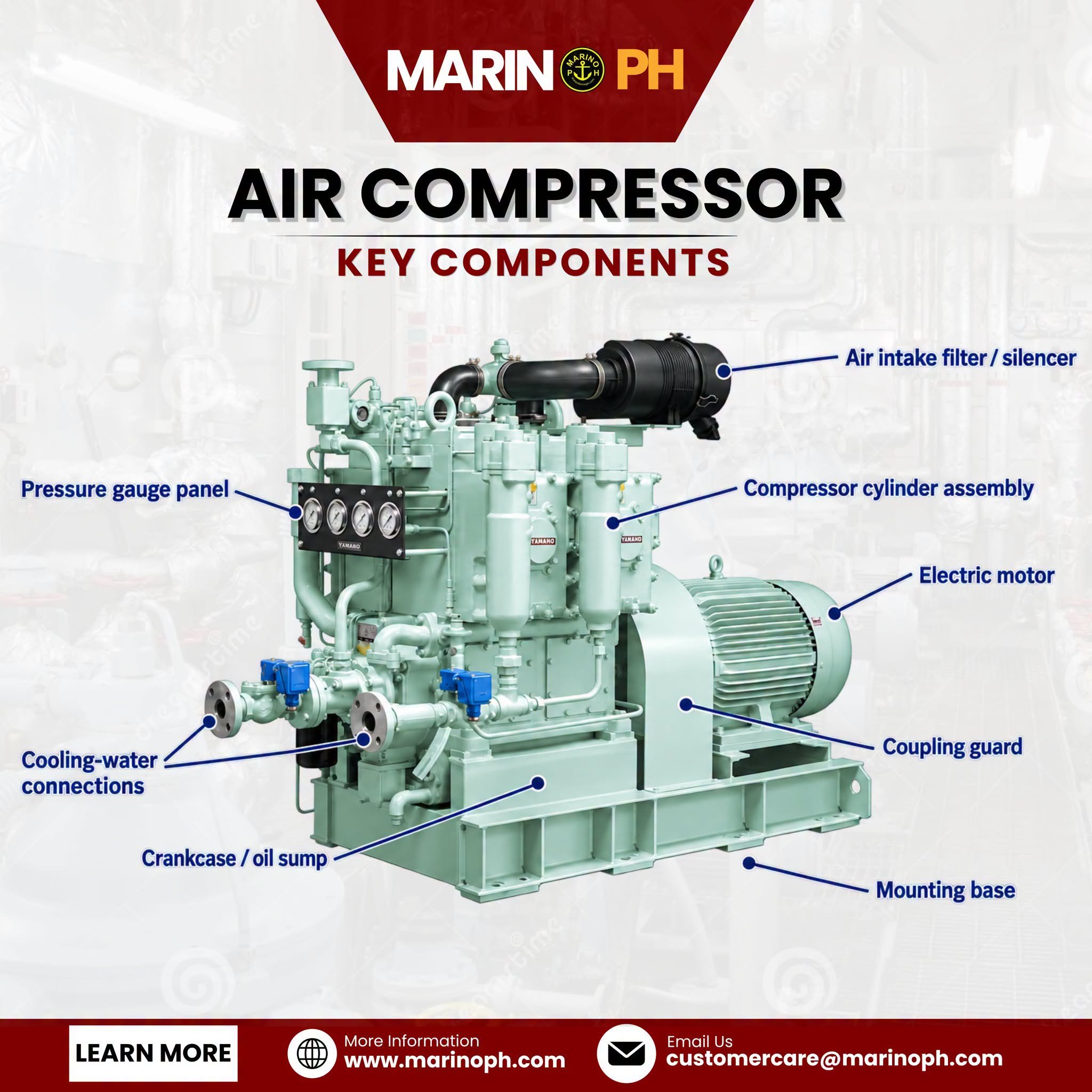
This air compressor uses two stages of compression and water cooling to supply compressed air for shipboard operations. Its key components include an electric motor, air intake filter, compressor cylinders, pressure gauges, cooling connections, and an oil sump. Together, these components support reliable performance and efficient compressed air production.
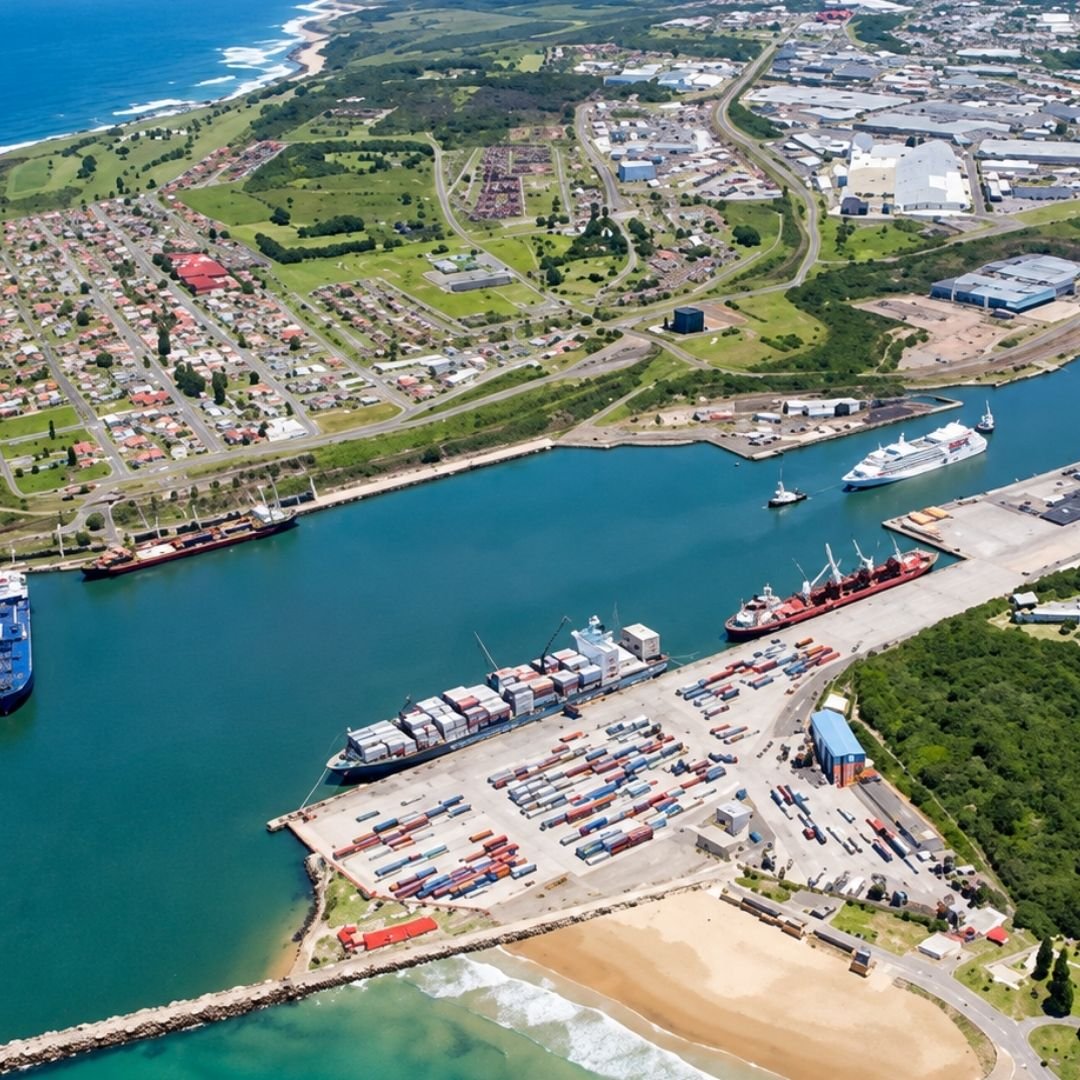
South Africa Plans LNG Terminal to Strengthen East London Port Operations
South Africa is planning the development of a liquefied natural gas (LNG) terminal at the Port of East London as part of efforts to improve the port’s competitiveness and expand its role in the country’s energy and maritime infrastructure. The proposed facility is expected to support LNG import activities and provide additional energy supply options for the region. The project forms part of broader initiatives to attract investment and improve the efficiency of South Africa’s port facilities. The Port of East London, located on the country’s eastern coast, handles various cargo operations and serves industries in the surrounding area.
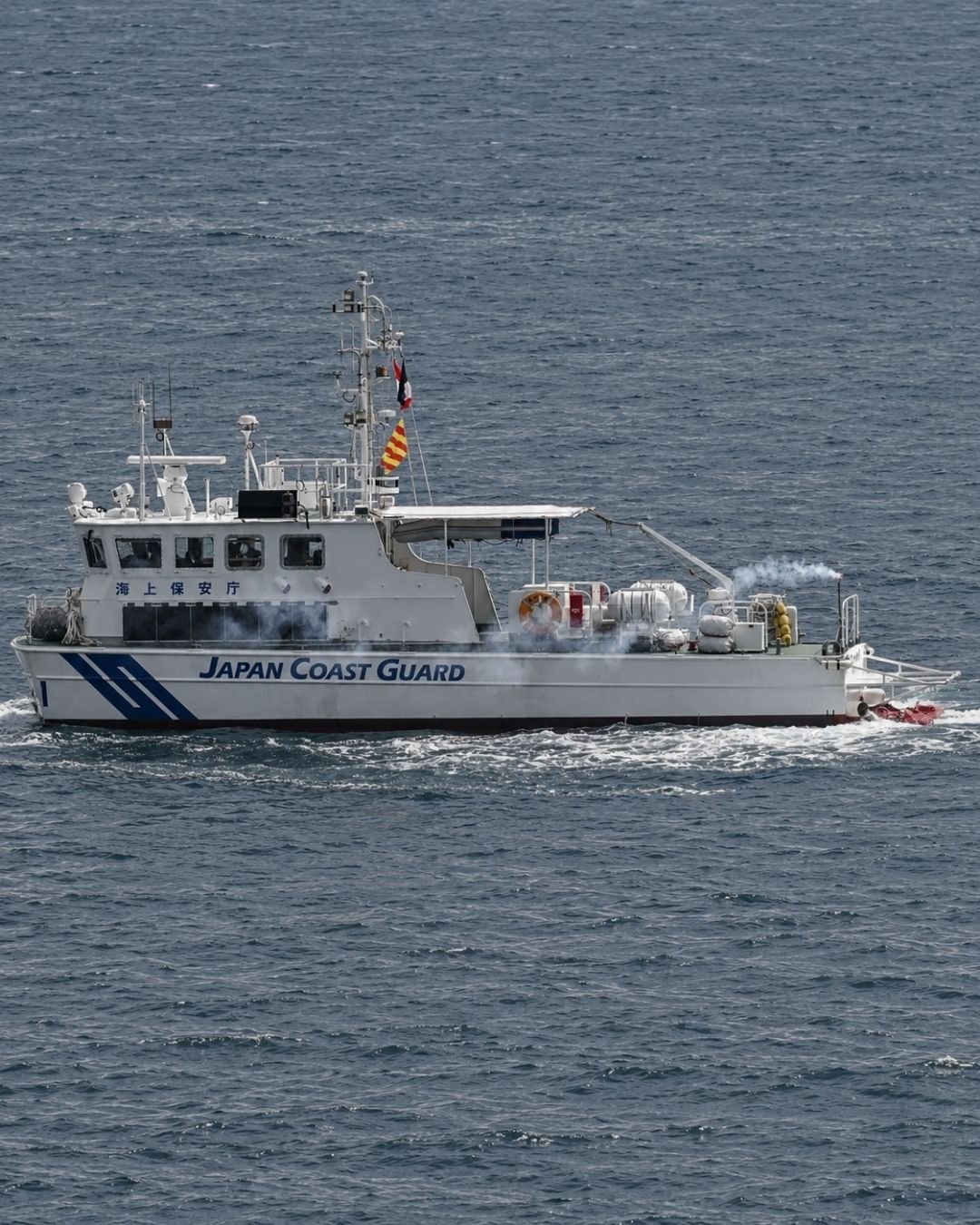
Japan Coast Guard Rescues Three North Korean Sailors After Boat Sinks Near Oki Islands
The Japan Coast Guard rescued three North Koreansailors after a boat being towed by aNorth Korean cargo ship sank off Japan’s northwestern coast. One other crew member remained missing following the incident. North Korea’s Rescue Coordination Centersent distress notifications to maritime authorities in Japan, South Korea, and Russia. It reported that four crew members had fallen overboard about104 kilometers southwest of Nishinoshima Island in the Oki Islands.
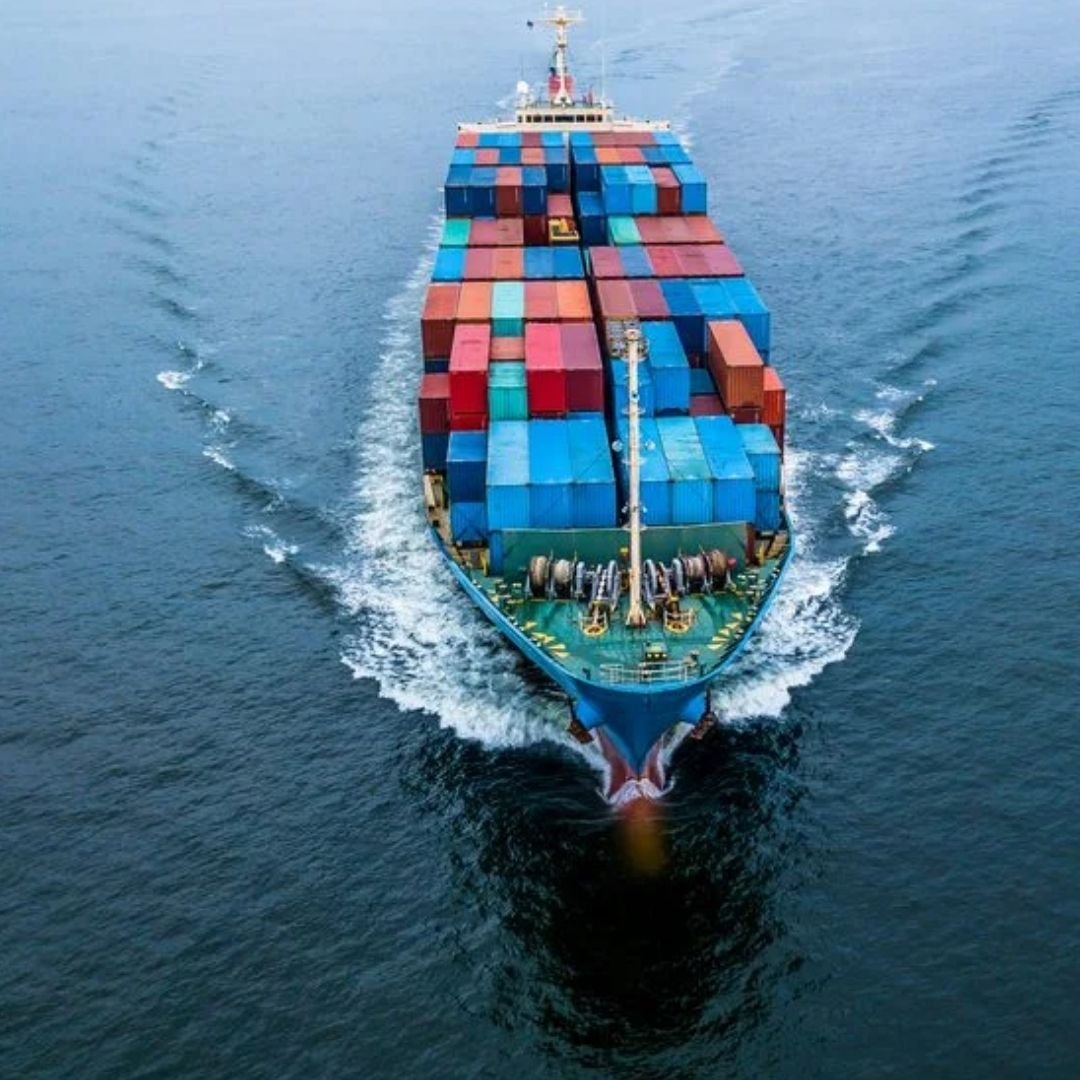
Global Shipping Faces Slower Trade and Higher Costs as Disruptions Lift Freight Earnings
Global shipping is facing slower trade growth and rising transport costs as geopolitical conflicts and disruptions along major trade routes continue to affect vessel movements. UN Trade and Development (UNCTAD) projects global merchandise trade growth to slow from about 4.7% in 2025 to between 1.5% and 2.5% in 2026, with uncertainty, higher energy costs and supply chain disruptions weighing on activity. Shipping markets, particularly the tanker sector, have recorded sharply higher freight earnings amid reduced vessel availability and longer or disrupted voyages. Industry data cited in recent market assessments showed very large crude carrier earnings on some Arabian Gulf-to-Asia routes reaching around $1 million per day in September. The increase has been linked to disruption around the Strait of Hormuz, higher risk costs and changes in global energy trade patterns.
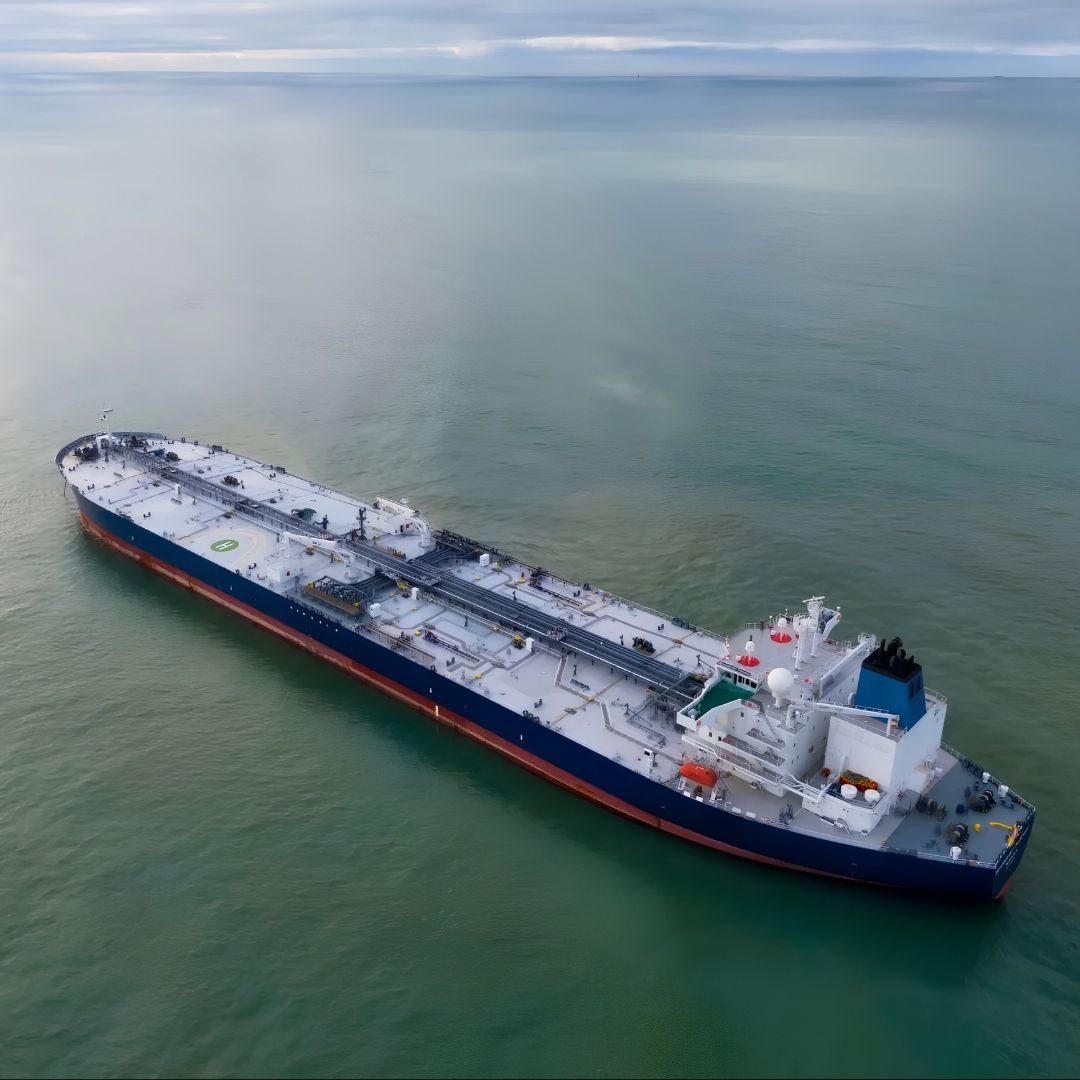
U.S. authorities investigate suspected cyber breaches aboard two U.S.-bound vessels
The United States Coast Guard and Federal Bureau of Investigation are investigating suspected cyber breaches involving two foreign-flagged commercial vessels bound for the United States. Joint Coast Guard and FBI teams boarded the vessels in the Gulf of Mexico on August 21 and August 24 after receiving indications that their computer networks had been compromised. The teams examined the vessels’ information technology and operational systems.
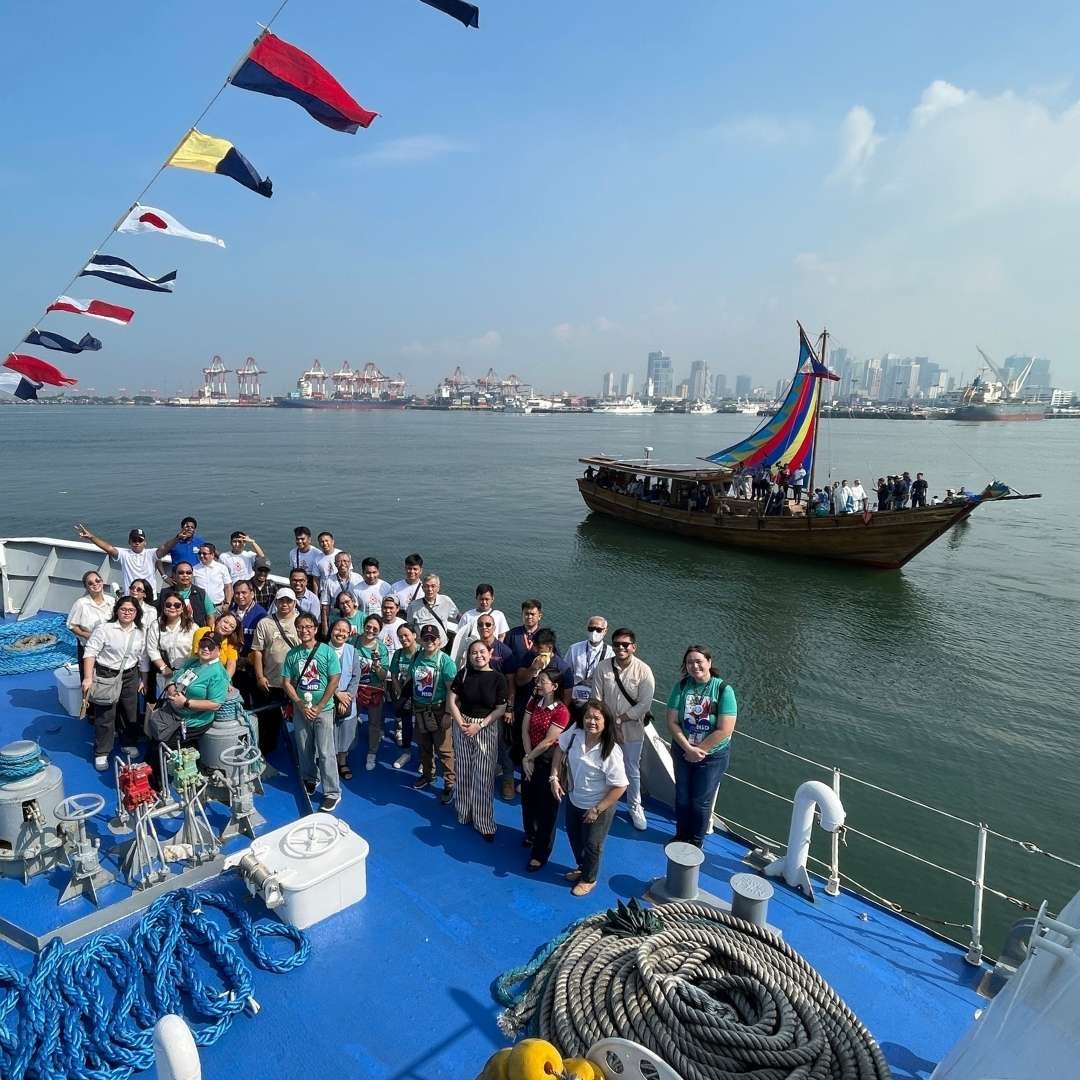
Maritime Community Gathers for Ecumenical Memorial Rites
The maritime community gathered at the Philippine Coast Guard National Headquarters in Manila on September 20, 2026, for the opening of the 31st National Seafarers’ Day and the 27th National Maritime Week.
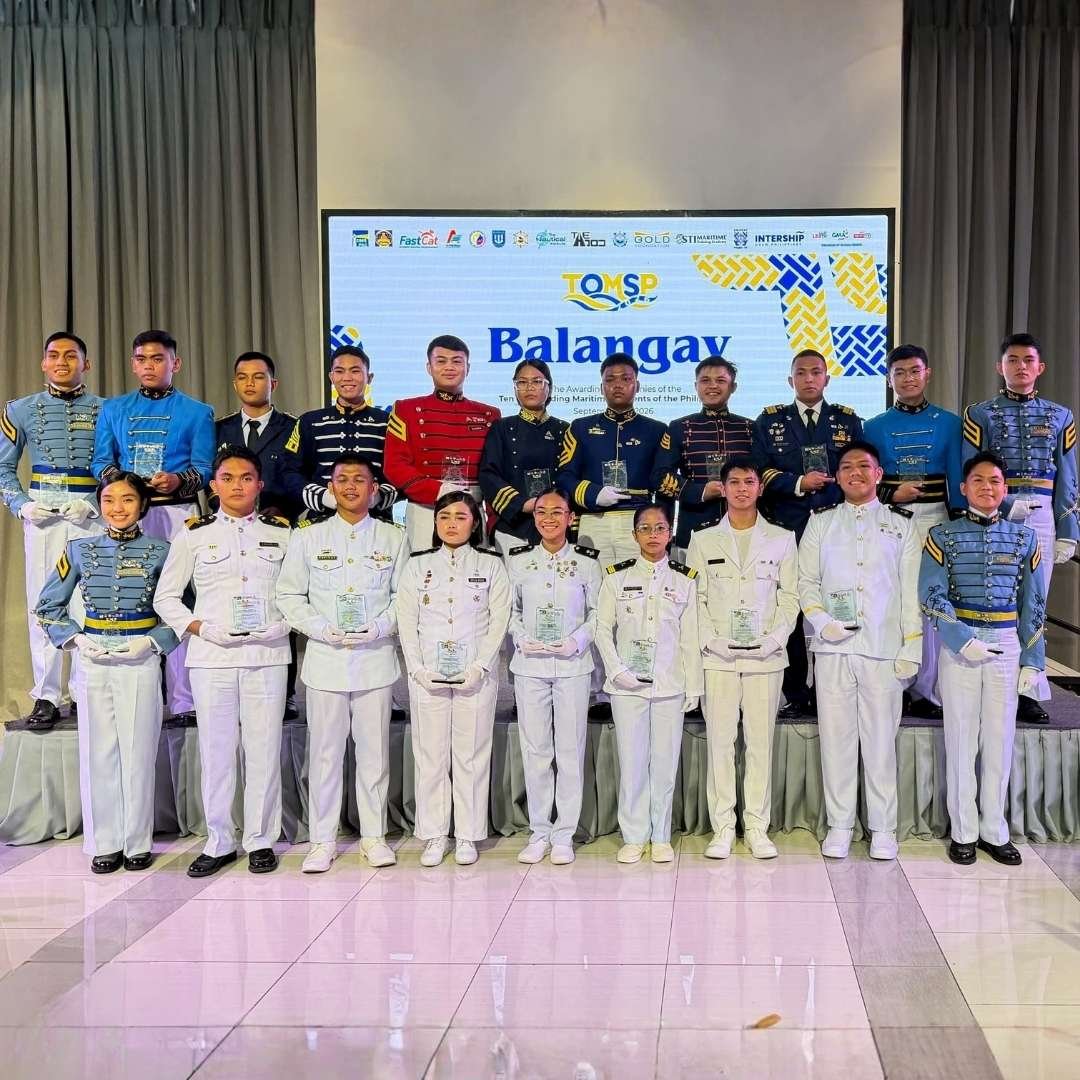
TOMSP 2026 Concludes With Recognition of the Philippines’ Top 10 Maritime Students
The Search for the Ten Outstanding Maritime Students of the Philippines (TOMSP) 2026 concluded by honoring 10 students selected from 20 national finalists representing 14 maritime higher education institutions across Luzon, Visayas, and Mindanao.
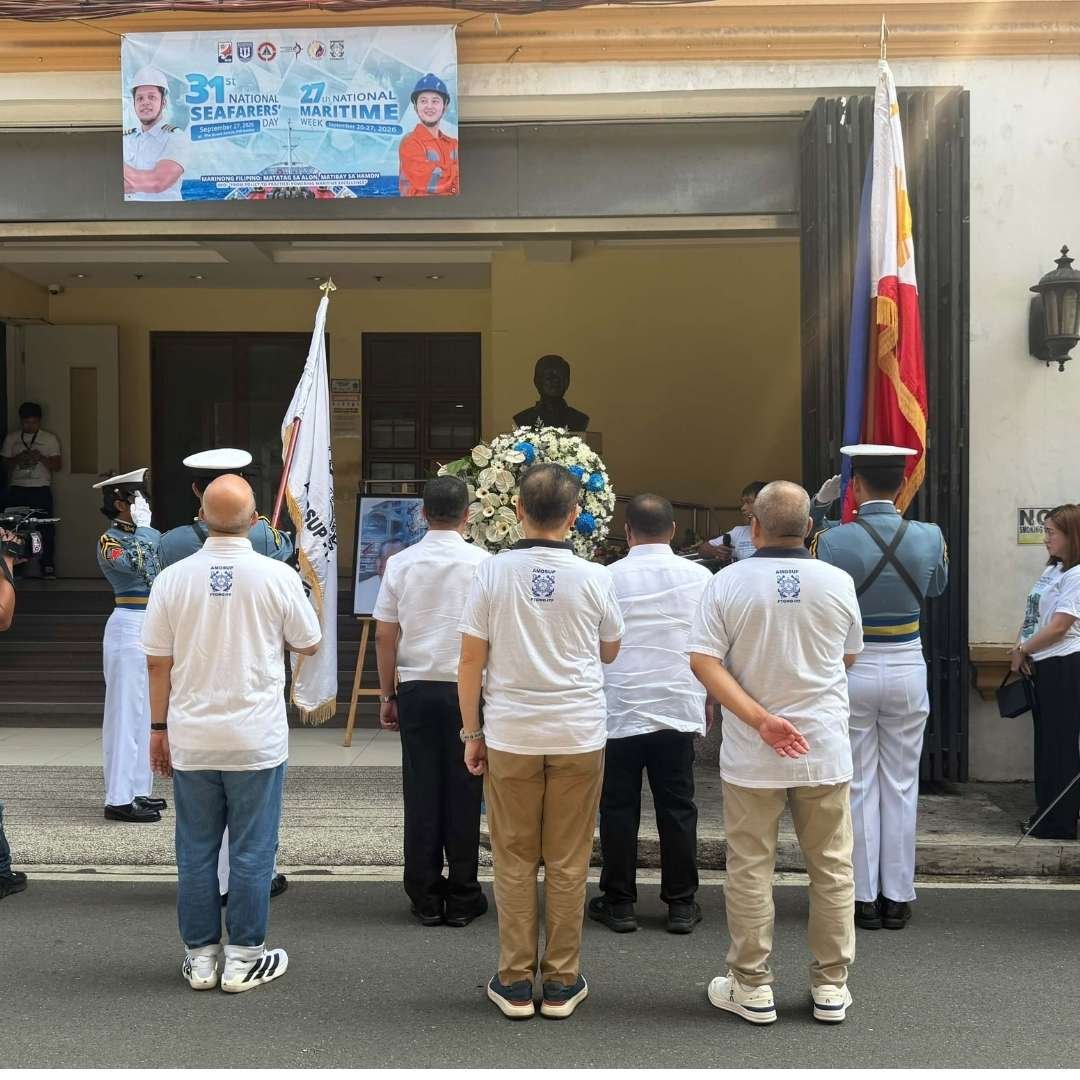
AMOSUP Joins National Maritime Week 2026 and Day of the Seafarer Observance
The Associated Marine Officers’ and Seamen’s Union of the Philippines (AMOSUP) joined the nationwide observance of National Maritime Week 2026 and the Day of the Seafarer through its annual commemorative gathering led by Dr. Conrado F. Oca.
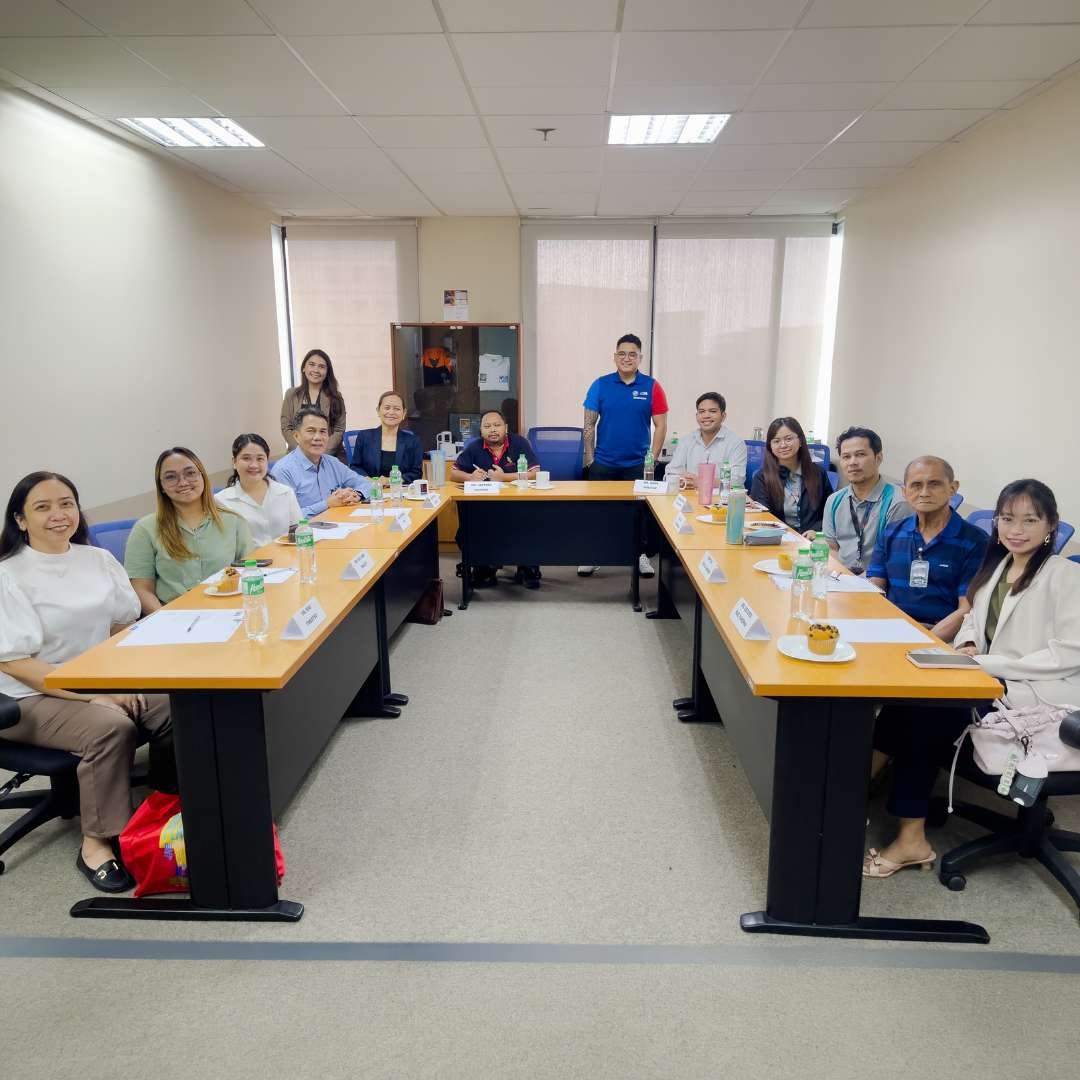
IMOSTI Training and Development, with its commitment to “Paddle Your Career Forward,” successfully concluded its learning session titled “Faster, Smarter, Better: AI in the Workplace” on September 17, 2026, at the IMOSTI Conference Room in Parañaque City.
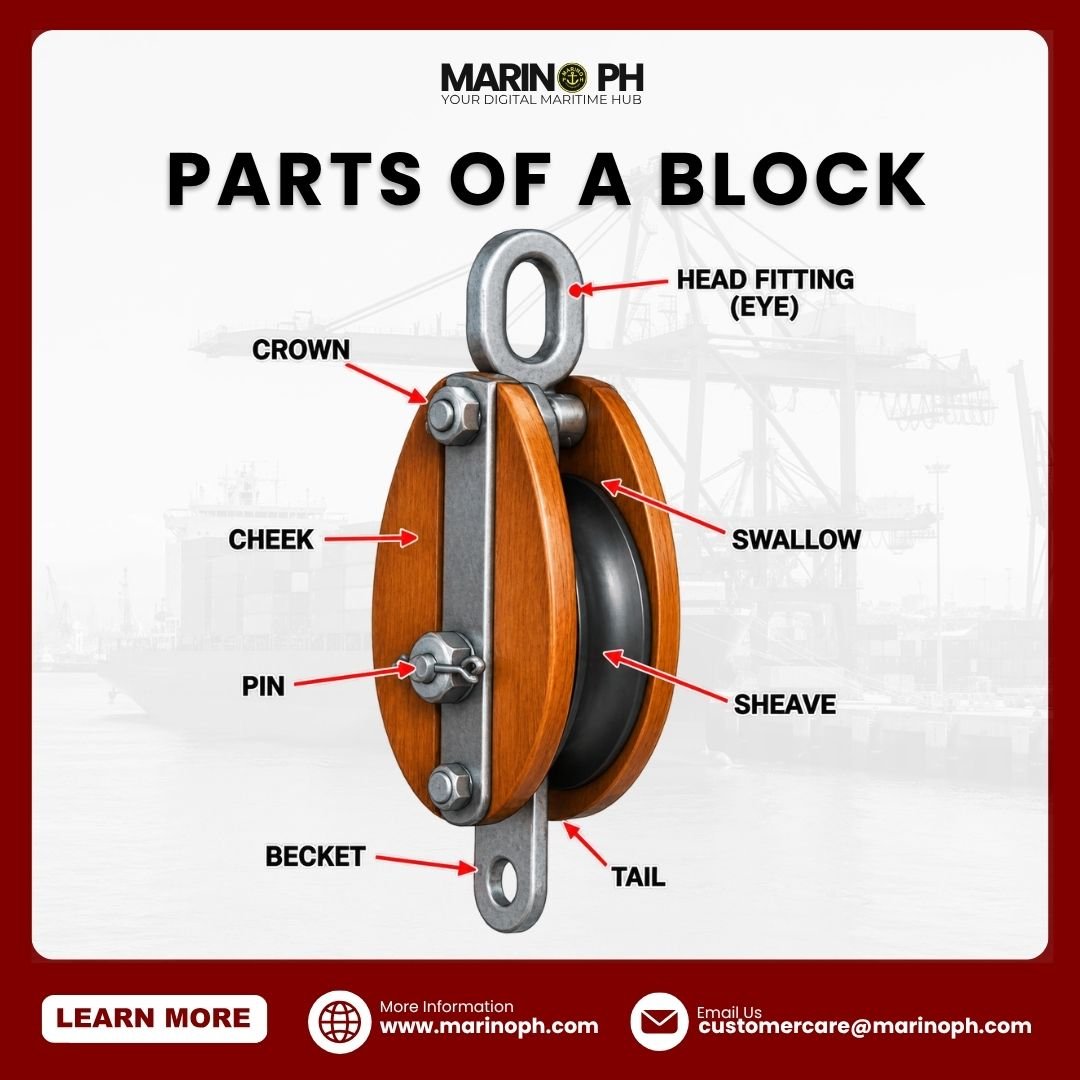
A block is an important deck fitting used in lifting, rigging, and cargo-handling operations onboard ships. It consists of several parts, including the sheave, cheek, pin, crown, head fitting, becket, and tail, each designed to support the safe movement and direction of ropes or wires under load.
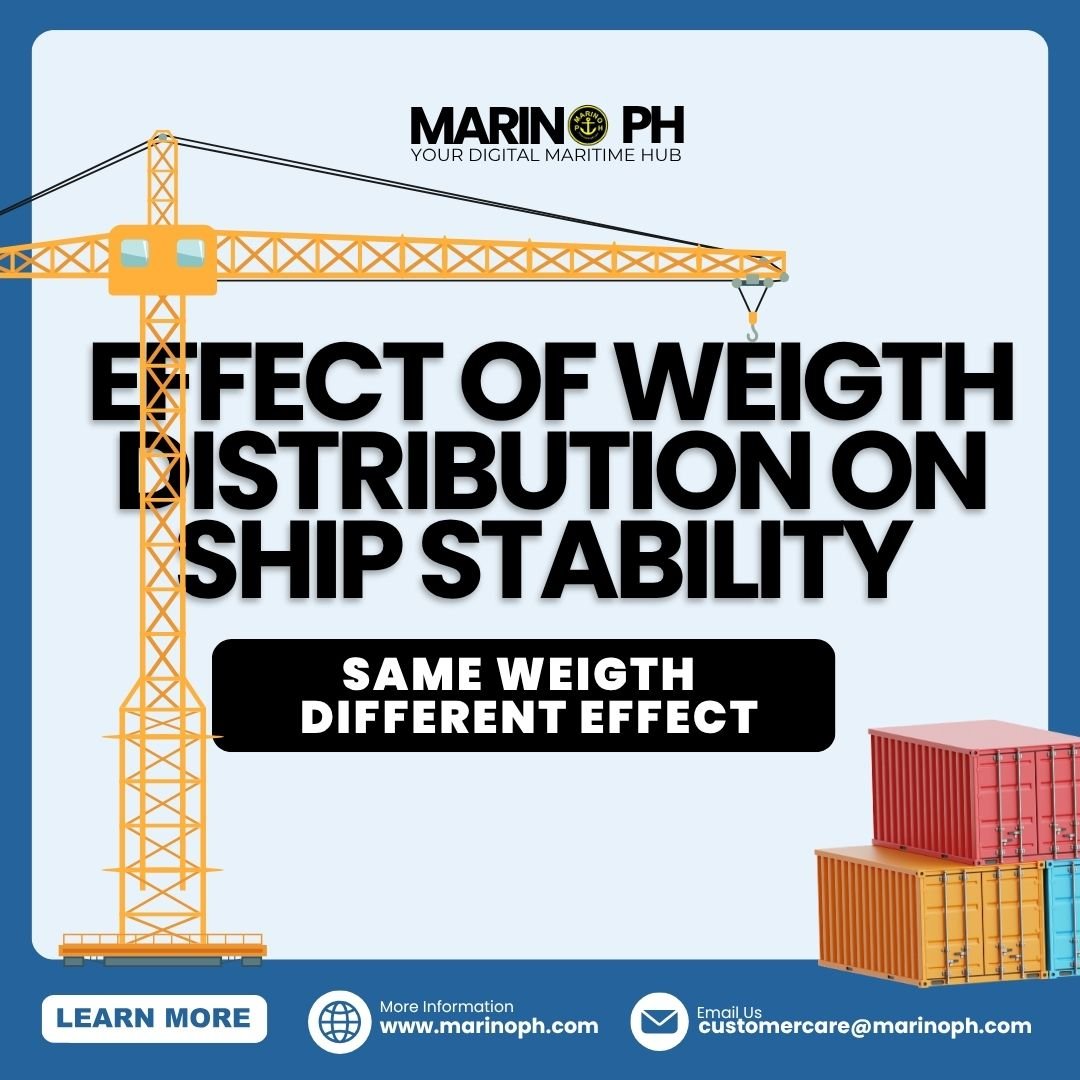
Effect of weight Distribution on Ship Stability
Proper weight distribution is essential to ship stability. Even when the total weight remains the same, its location onboard can change the vessel’s center of gravity, trim, list, and stability. Correct cargo placement and weight management help maintain adequate stability, reduce excessive stresses, and ensure safer vessel operations at sea.
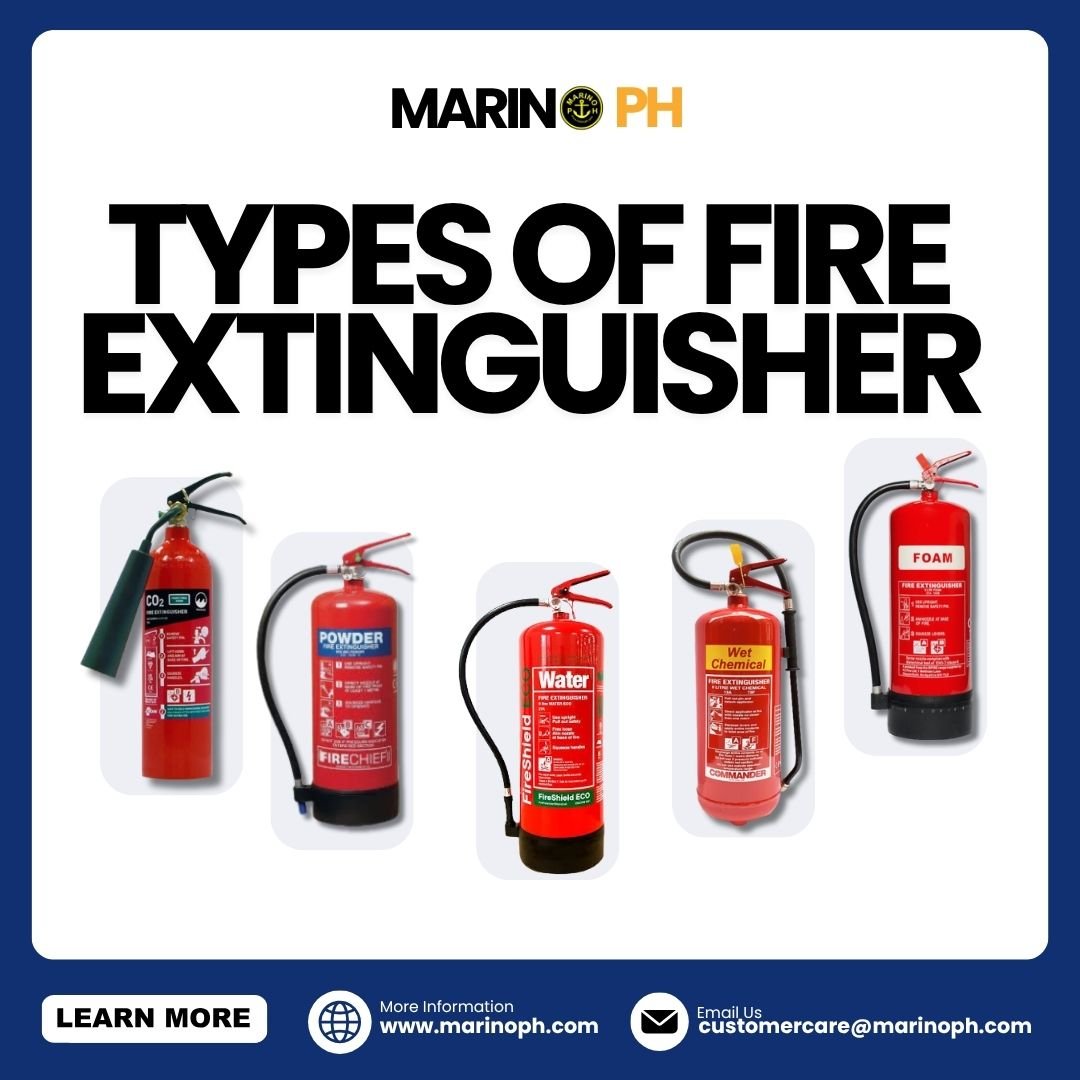
Fire extinguishers are designed for different classes of fire, making proper selection essential for onboard safety. Common types include CO₂, dry powder, water, wet chemical, and foam extinguishers. Seafarers must know their correct applications, locations, and operating procedures to respond quickly and safely during a fire emergency at sea.
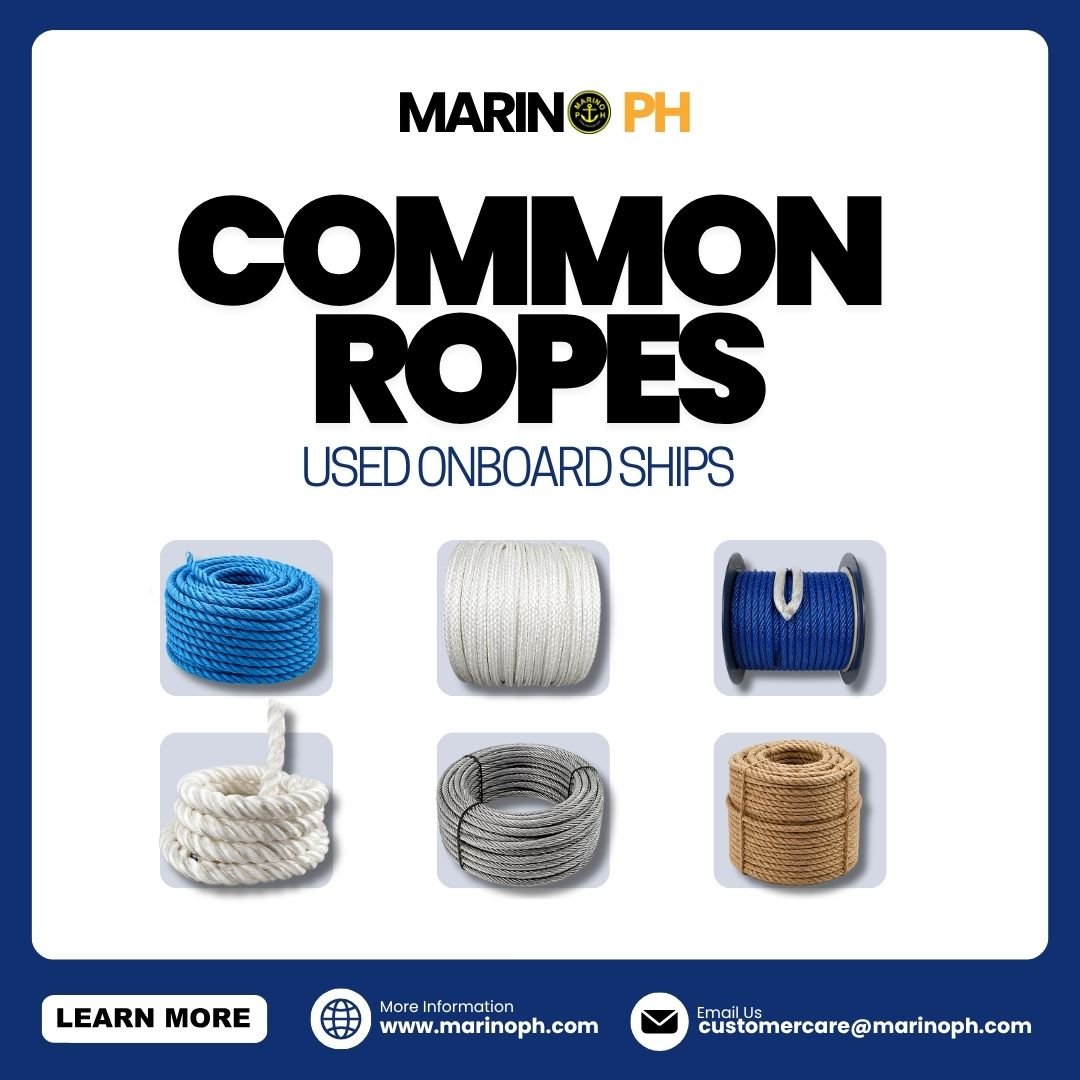
Ropes are essential equipment in shipboard operations, used for mooring, towing, lifting, rigging, cargo handling, and other deck activities. Different types of rope have specific properties, strengths, and limitations. Understanding the characteristics and proper applications of nylon, polyester, polypropylene, HMPE, wire rope, and Manila rope helps seafarers select the right rope for each operation and work safely onboard.
