MARINO PH
Your Maritime Digital Hub

Introduction
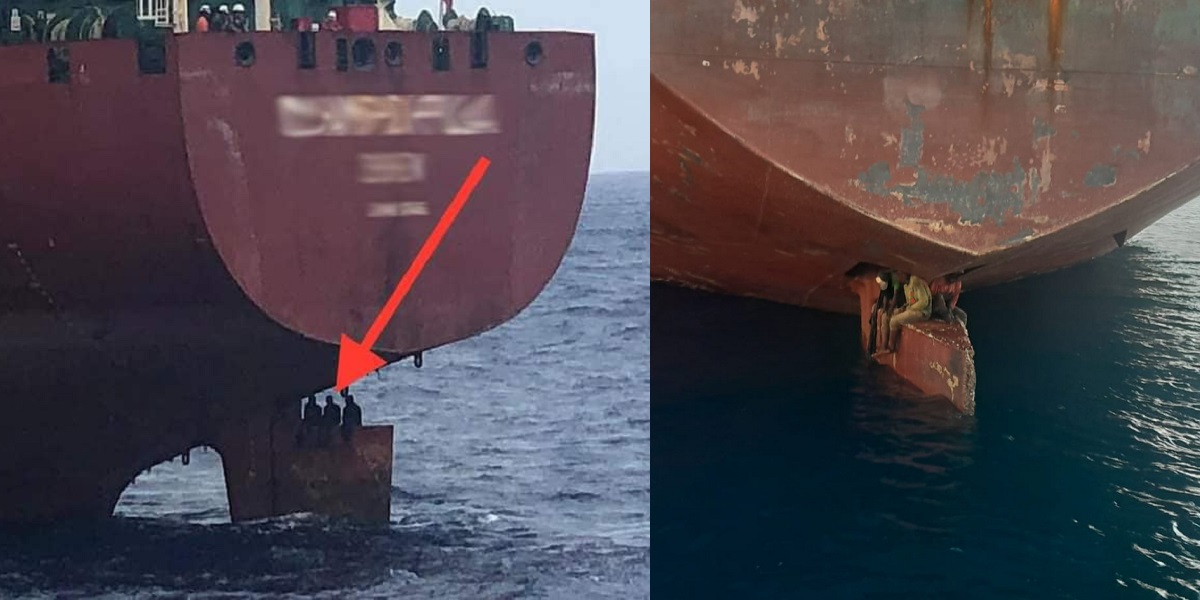
The International Ship and Port Facility Security (ISPS) Code is a comprehensive set of measures designed to enhance the security of ships and port facilities. It was adopted by the International Maritime Organization (IMO) under the framework of the International Convention for the Safety of Life at Sea (SOLAS), specifically through an amendment introduced in December 2002. The ISPS Code officially came into force on 1 July 2004, marking a turning point in maritime safety and global security.
Purpose of the ISPS Code
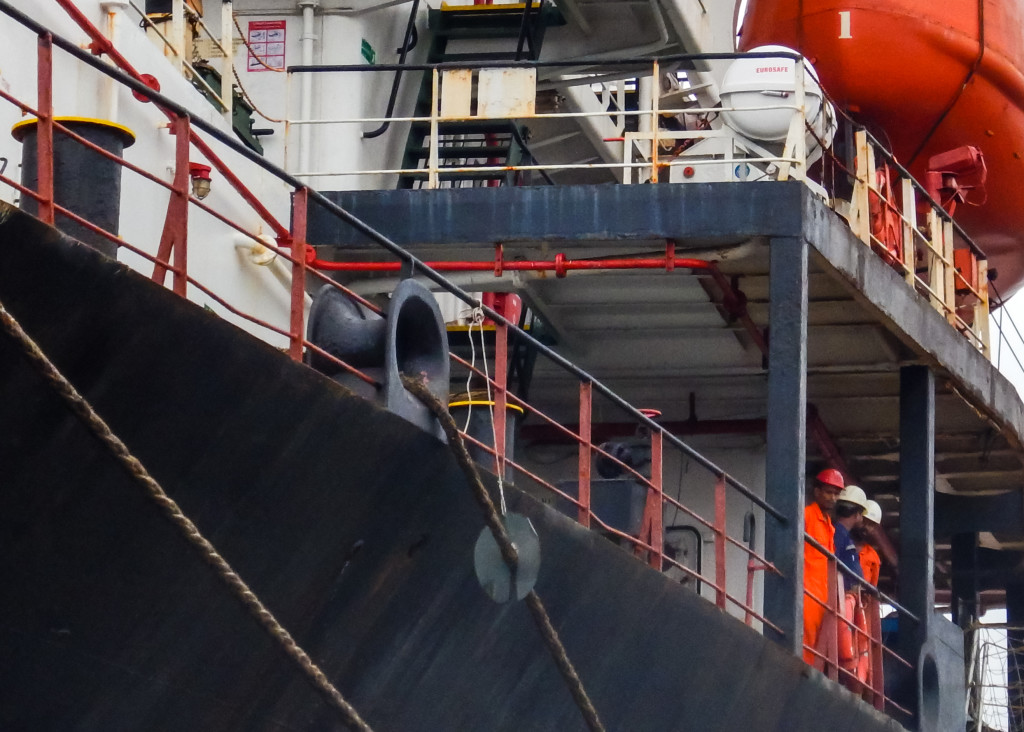
-The ISPS Code aims to establish an international framework to detect, assess, and respond to security threats in the maritime industry. Its main objectives include:
-Defining roles and responsibilities for governments, shipping companies, port authorities, and other stakeholders.
-Establishing standardized measures to prevent acts of terrorism, piracy, smuggling, or sabotage.
-Enhancing cooperation between port states and flag states to ensure unified maritime security.
-Ensuring that ships and port facilities are prepared to respond to security incidents.
Structure of the ISPS Code
The ISPS Code consists of two parts:
-Part A (Mandatory): Contains detailed security requirements for governments, shipping companies, shipboard personnel, and port facility operators.
-Part B (Guidance): Provides recommendations and best practices to help stakeholders effectively implement Part A requirements.

Advertisement
Key Requirements
1.Ship Security Assessment (SSA): A thorough analysis of potential threats and vulnerabilities on board vessels.
2.Ship Security Plan (SSP): A documented plan tailored to each ship, addressing preventive measures, emergency procedures, and security responsibilities.
3.Ship Security Officer (SSO): A designated officer responsible for maintaining the SSP and training crew on security duties.
4.Port Facility Security Assessment (PFSA): Identification of potential risks at port facilities.
5.Port Facility Security Plan (PFSP): Development of procedures to control access, monitor activities, and respond to incidents.
6.Security Levels: Ships and ports must operate under three defined security levels:
Level 1: Normal operations (minimum security measures).
Level 2: Heightened threat (increased protective measures).
Level 3: Exceptional threat (specific protective measures applied).
Implementation and Impact
The ISPS Code has significantly improved global maritime security by ensuring that ships and ports follow standardized security procedures. It compels shipping companies and port facilities to remain vigilant, coordinate with authorities, and maintain continuous training and drills. Furthermore, it has reduced vulnerabilities to piracy, terrorism, and illegal activities across international waters.
The ISPS Code remains a cornerstone of modern maritime safety and security. By fostering international collaboration and requiring strict security measures, it helps safeguard not only ships and port facilities but also the global supply chain that depends on safe and efficient maritime transport. For seafarers, port authorities, and shipping companies, compliance with the ISPS Code is not merely a legal requirement—it is an essential duty in protecting lives, property, and the marine environment.
