MARINO PH
Your Maritime Digital Hub

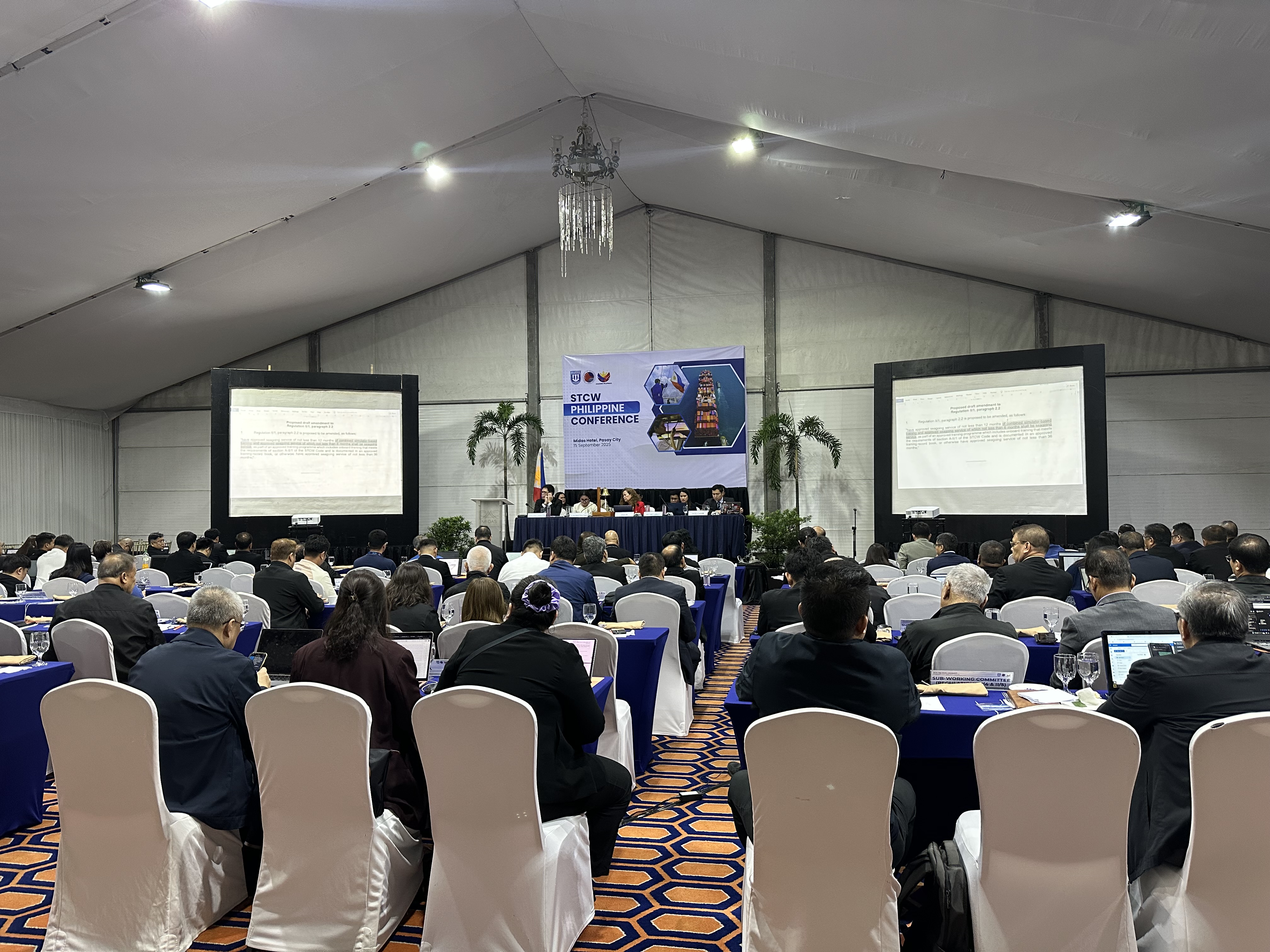
The Philippines has reached another milestone in its maritime history with the successful conduct of the first STCW Philippine Conference, hosted by the Maritime Industry Authority (MARINA). The event was organized to finalize national inputs for the ongoing Comprehensive Review of the International Convention on Standards of Training, Certification and Watchkeeping for Seafarers (STCW), 1978, as amended, and to prepare these for formal submission to the International Maritime Organization (IMO) in October 2025.
The one-day conference gathered representatives from seafarer groups, maritime higher education institutions, training centers, manning agencies, shipping companies, and welfare organizations. Its purpose was to build consensus and strengthen the Philippines’ position on key issues affecting maritime education, training, and certification.
Central to the discussions were nine draft proposals covering a wide spectrum of concerns. These included specialized training for alternative fuels such as LNG, ammonia, and hydrogen; the use of modern digital learning platforms; the expansion of simulator-based training; and the adoption of virtual and augmented reality technologies. The proposals also addressed the need for stronger measures against shipboard violence, harassment, and bullying, alongside enhancing seafarer welfare and resilience in a rapidly changing industry.
Participants underscored the importance of aligning competencies with new global requirements driven by decarbonization, digitalization, and emerging technologies. The Philippines, as the world’s largest supplier of seafarers, has a direct interest in ensuring that training standards remain responsive to the evolving demands of international shipping.
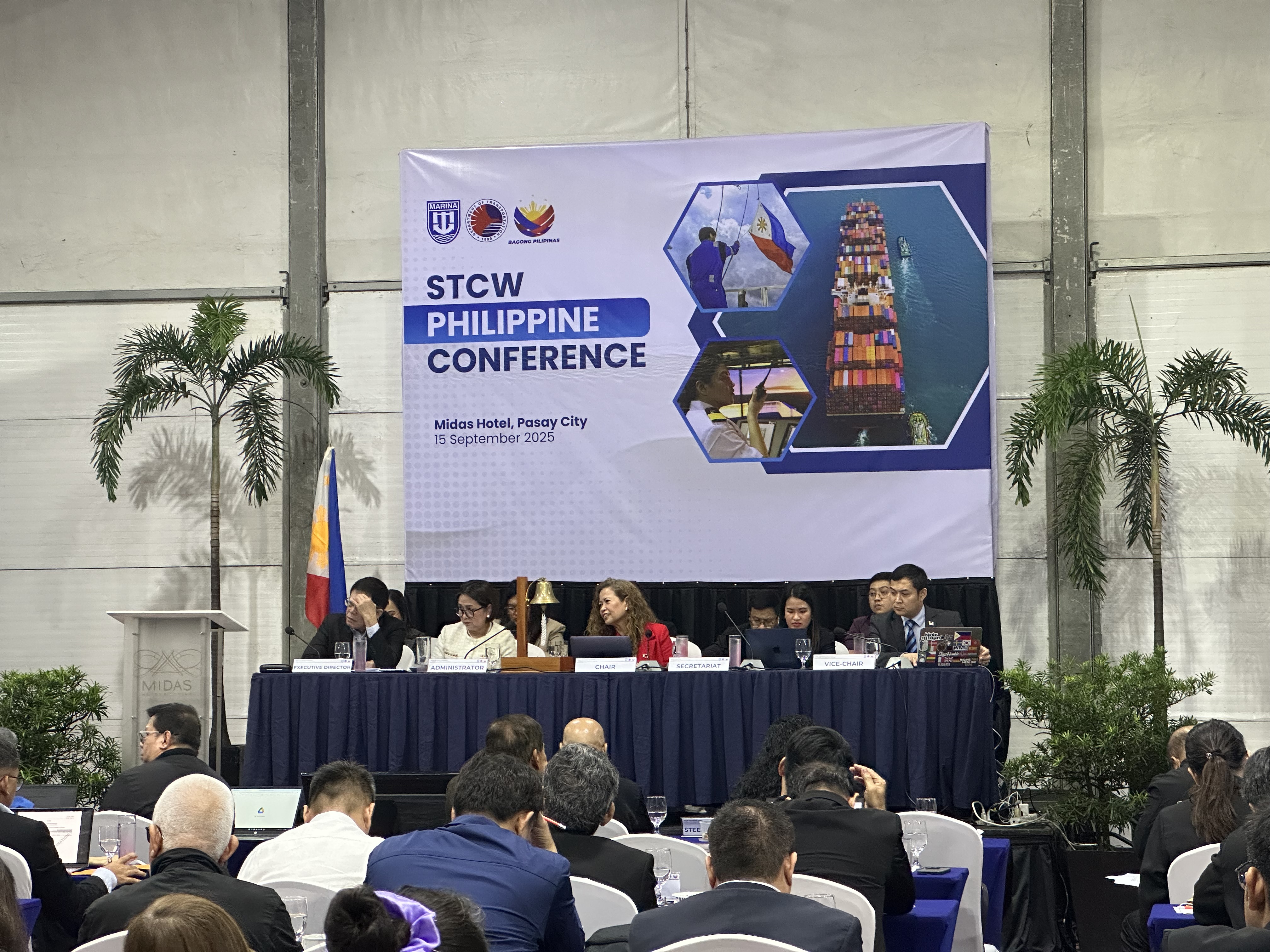
MARINA described the conference as a demonstration of unity among industry stakeholders. The gathering allowed the country to consolidate diverse perspectives into a unified national position, reflecting not only compliance with global standards but also leadership in shaping them. Officials stressed that the proposals developed during the conference are intended to highlight both the technical competence of Filipino maritime professionals and the long-term aspirations of the country’s seafaring workforce.
The event also reinforced collaboration among maritime institutions and stakeholders, establishing a clear message of readiness to contribute meaningfully to international maritime policymaking. By presenting proposals backed by consultation and collective expertise, the Philippines aims to enhance its influence within the IMO and affirm its role in global maritime governance.
With more than 500,000 Filipino seafarers deployed across the world’s fleet, the Philippines remains a vital contributor to international shipping. The successful conduct of the STCW Philippine Conference reflects the nation’s determination to maintain its position at the forefront of global seafaring while advancing the welfare, training, and certification of its maritime professionals.
The outcomes of the conference will serve as the foundation of the Philippines’ proposals to the IMO. These recommendations are expected to contribute significantly to the ongoing review of the STCW Convention and to strengthen the country’s role in shaping the future of maritime education, training, and certification worldwide.
ADVERTISEMENT
