MARINO PH
Your Maritime Digital Hub

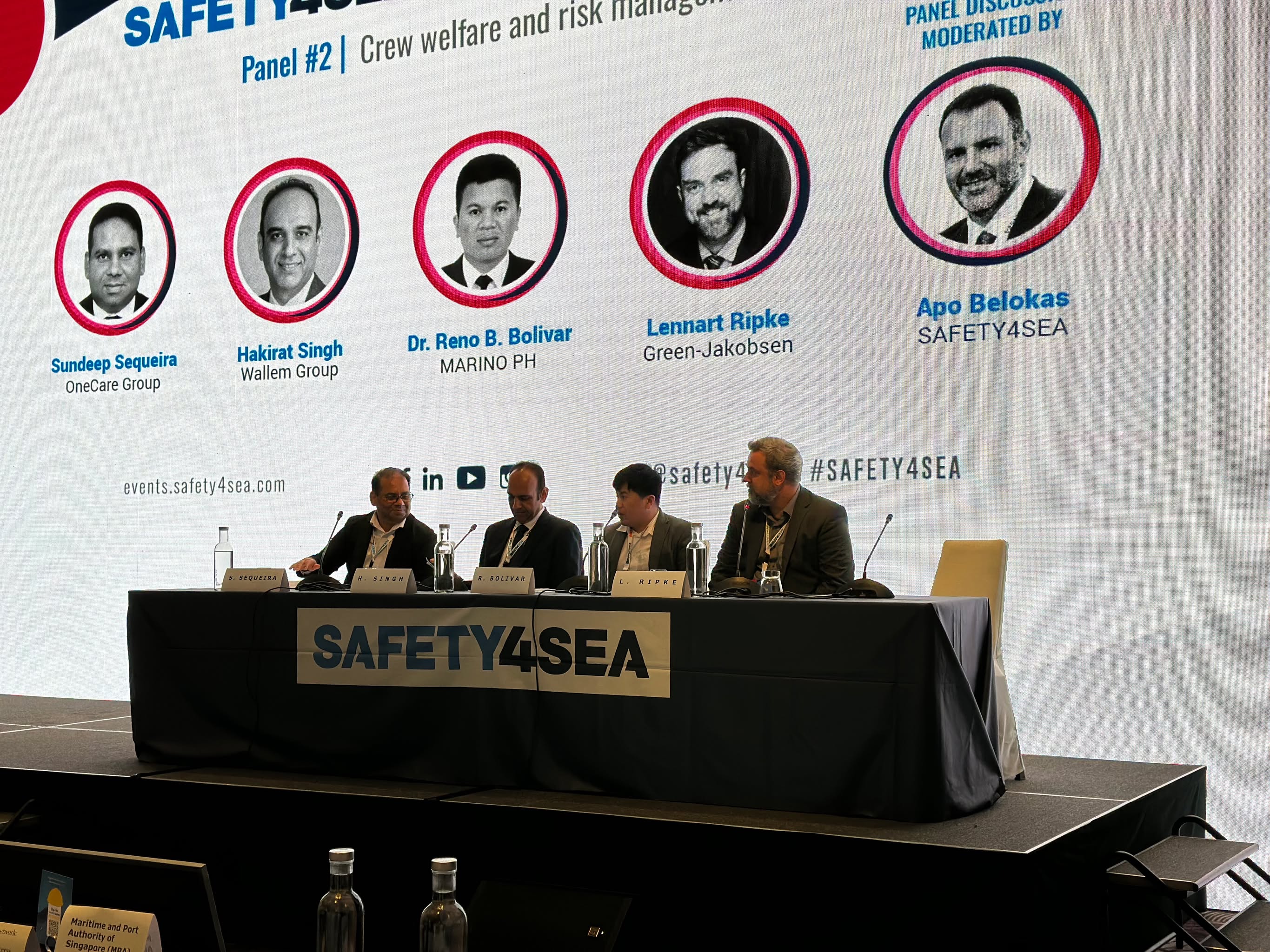
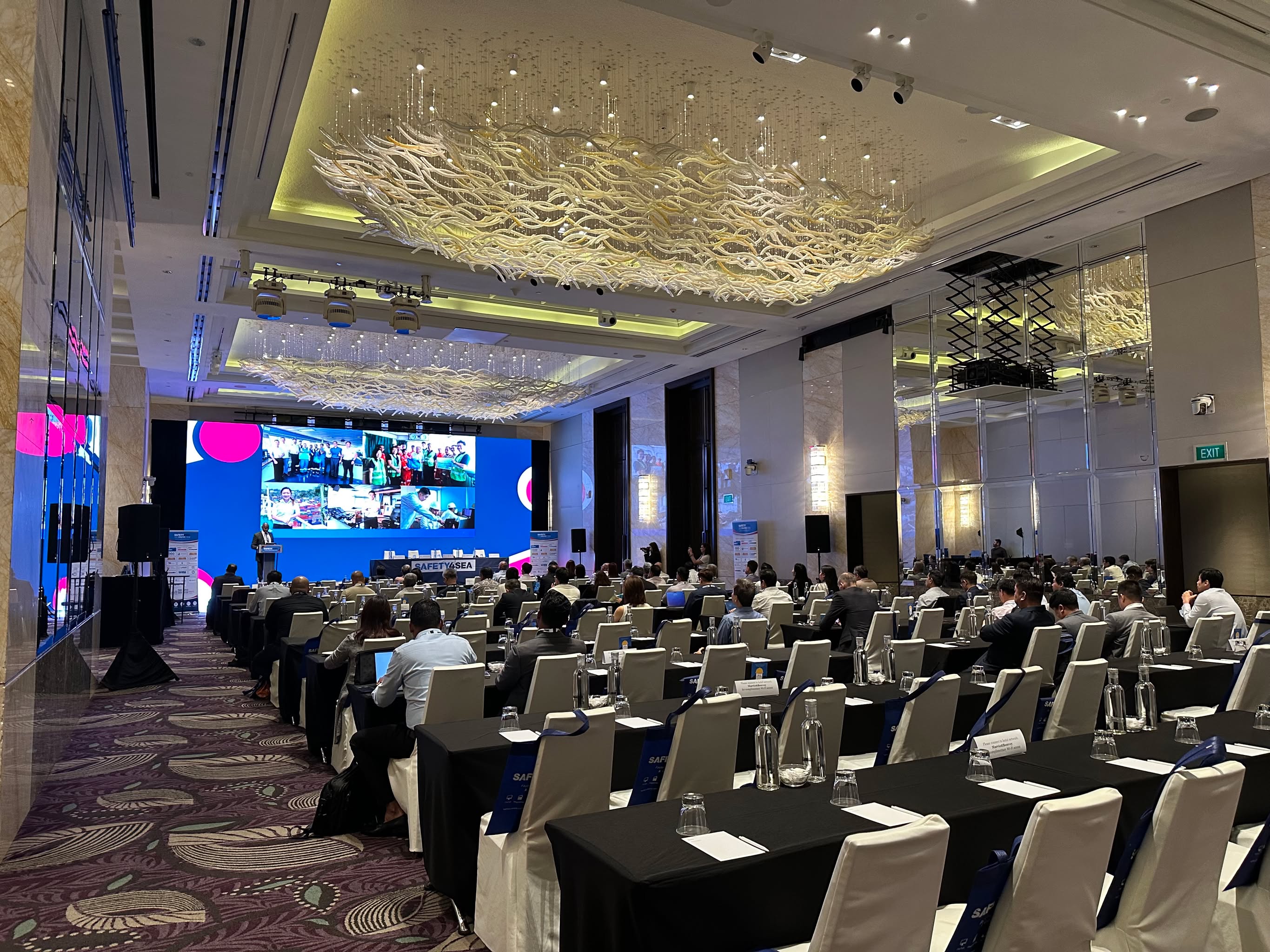
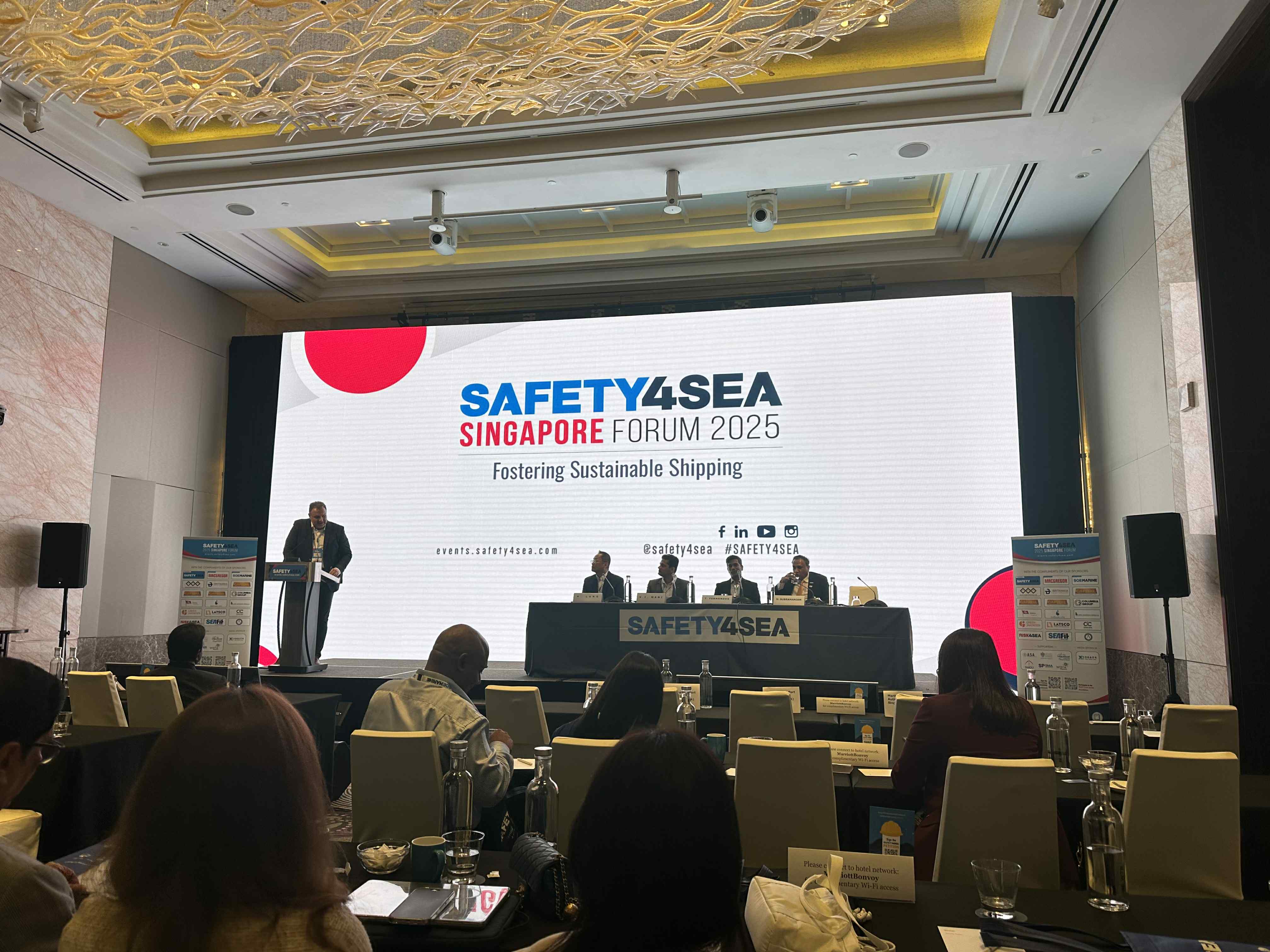
Singapore — The 5th SAFETY4SEA Singapore Forum successfully concluded after gathering maritime leaders, shipowners, manning agencies, training institutions and global regulators to rethink how safety, welfare and future skills should shape the next era of shipping.
Held at The Westin Singapore, the event focused on a powerful shift in the industry: from compliance-based safety to a mindset-driven culture where people, leadership and continuous learning become the true anchors of safe operations.
People First: Safety Beyond Paperwork
Throughout the forum, speakers emphasized that despite advancements in technology, the biggest risks at sea still come from human exhaustion, miscommunication, poor leadership and outdated practices. They stressed that safety can no longer be limited to manuals, certificates and drills it must exist in everyday decisions, behavior and company culture.

ADVERTISEMENT
Participants agreed that the industry must move away from simply “avoiding accidents†and instead create environments where seafarers feel supported, respected and empowered to report hazards or mistakes without fear.
Future Workforce and Skills Gap
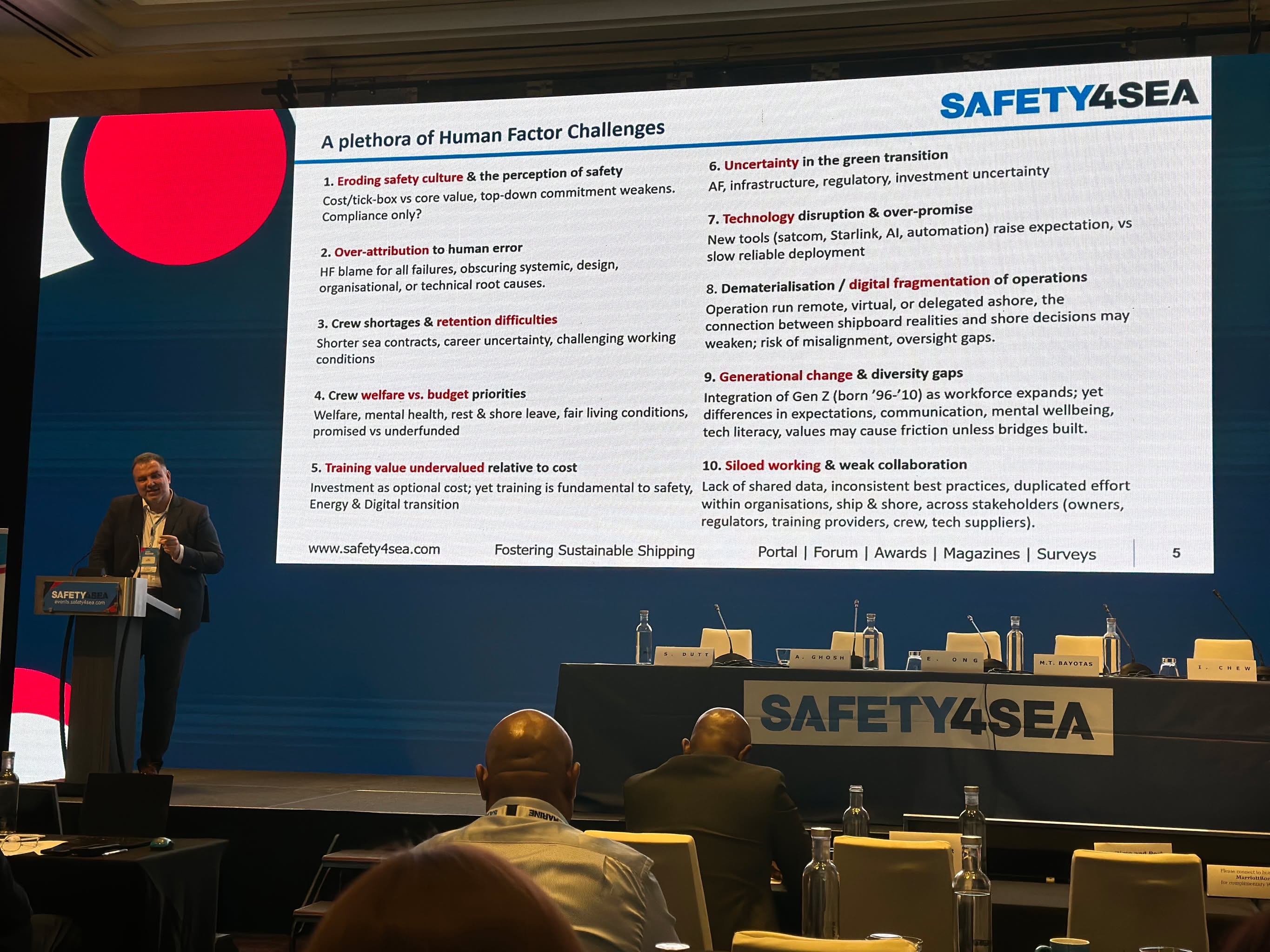
One of the most anticipated discussions addressed the growing challenge of retaining and developing maritime talent. With many senior officers nearing retirement, and fewer youths choosing seafaring careers, speakers urged companies and schools to modernize maritime education, strengthen cadetship programs and make the profession more attractive.
They highlighted that future seafarers will need more than technical knowledge. Skills in digital navigation, data handling, mental resilience, leadership and environmental awareness are now considered essential as shipping transitions to automation and decarbonisation.
Crew Welfare and Mental Health
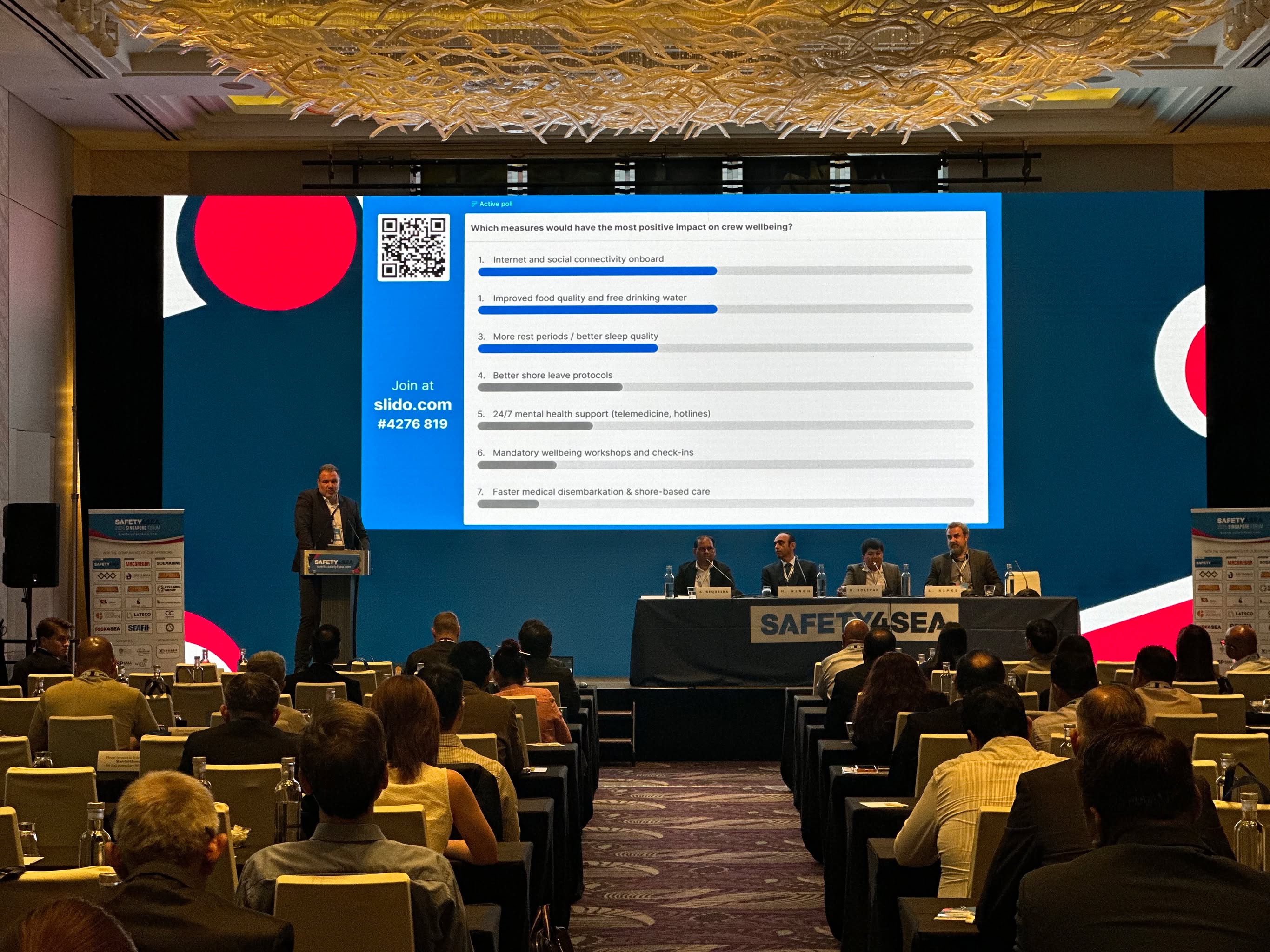
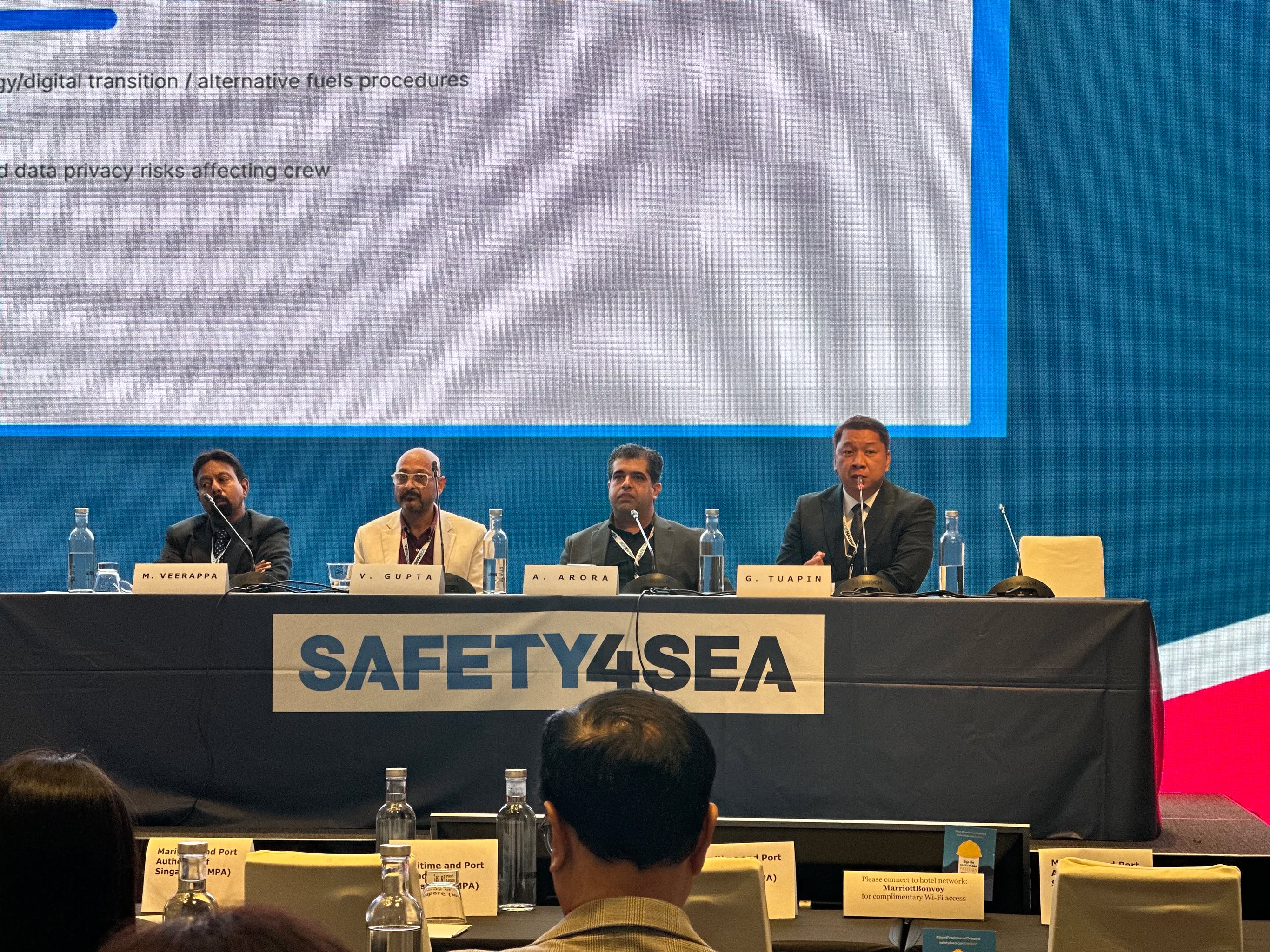
Crew welfare and psychological safety stood out as a major concern. Experts pointed out that isolation, pressure, contract uncertainties and limited shore leave continue to affect seafarers’ well-being. They called for better internet access onboard, counseling support, fair treatment regardless of rank and policies that protect the dignity of crew members.
The forum echoed the message that psychological safety should be treated with the same urgency as physical safety.
From Reactive to Proactive Safety
Discussions also highlighted a shift from reaction to prevention. Instead of learning only from accidents, maritime organisations were encouraged to learn from near-misses, minor incidents and everyday operations. Human and Organizational Performance (HOP) principles were promoted as a smarter way to understand mistakes — not by blaming individuals, but by improving systems and working conditions.
Technology with a Human Touch
Digitalisation, AI and remote operations were recognized as transformative tools for safety and training. However, speakers cautioned that technology must support seafarers — not overwhelm them. Proper training, adaptation and human oversight remain critical.
A Call to Action
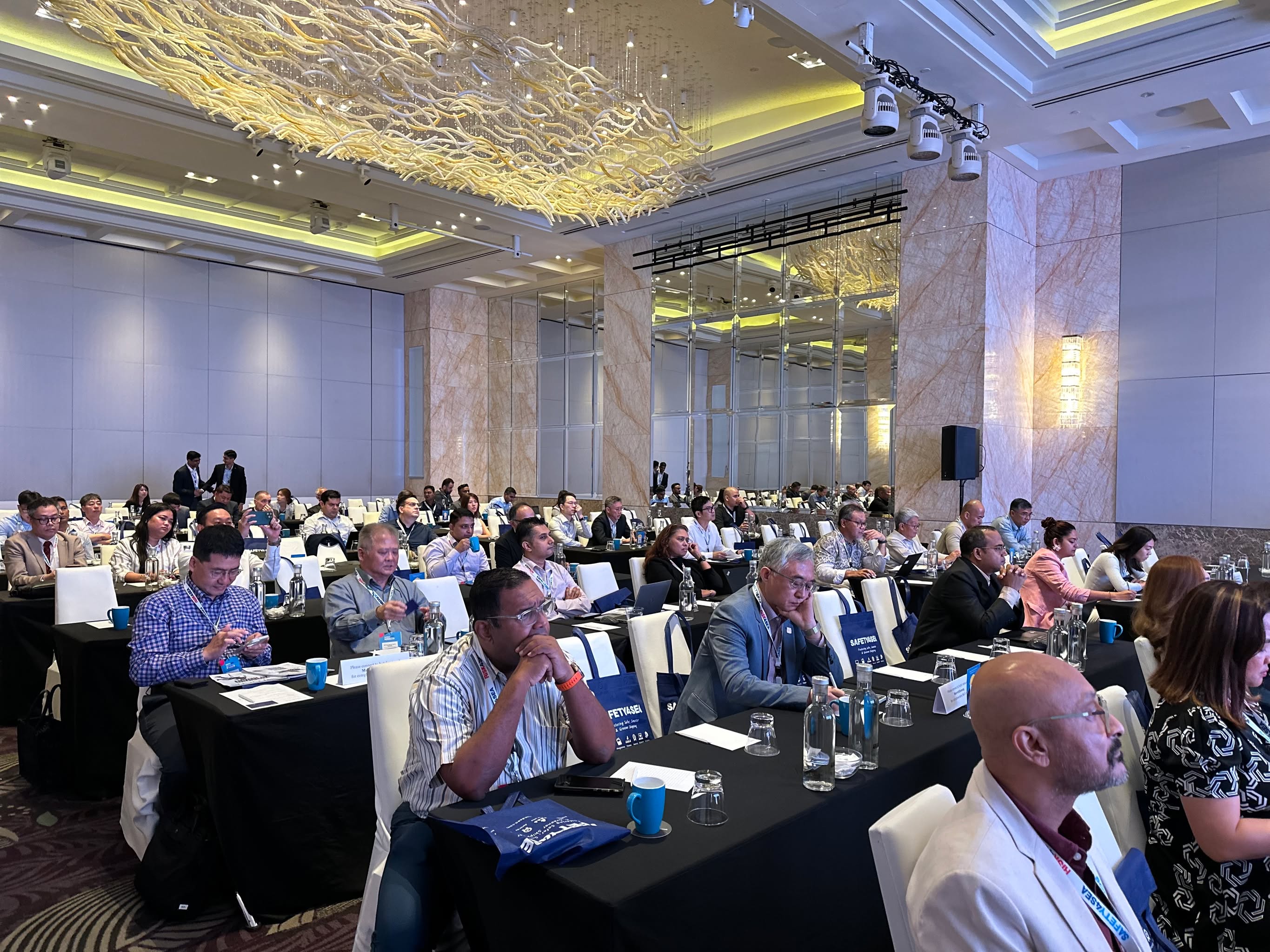
The event closed with a clear message: the future of maritime safety depends on people. Nations and companies that invest in humane leadership, training, welfare and innovation will lead the next chapter of global shipping.
