MARINO PH
Your Maritime Digital Hub

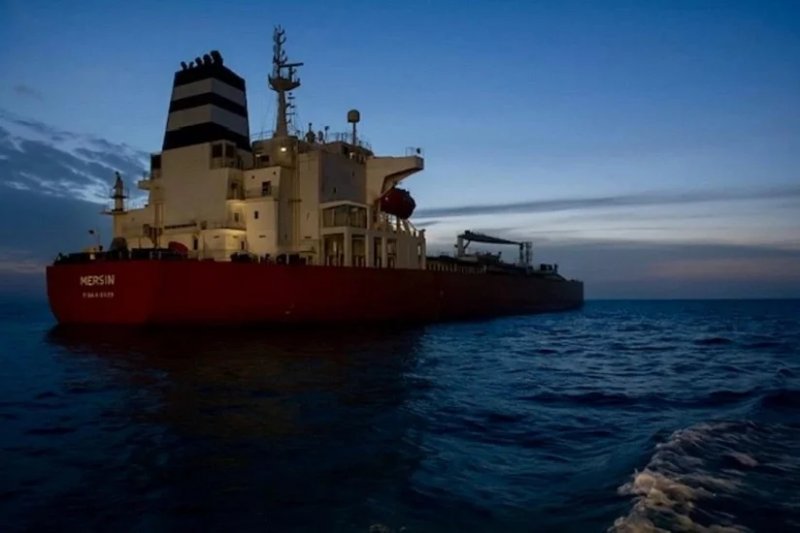
PHOTO: NEWS.AZ
Senegal has confirmed that emergency response teams are actively working to stabilize a Turkish operated tanker that experienced major flooding off the coast of Dakar, prompting urgent efforts to avert a possible oil spill. The incident involved the Panama-flagged M/T Mersin, which issued a distress signal after water began entering its engine room late last week.
According to maritime officials, all crew members were safely evacuated as tugboats and naval units arrived at the scene. With personnel out of immediate danger, authorities shifted focus toward preventing environmental contamination, deploying containment booms and mobilizing anti-pollution specialists to secure the vessel’s surroundings.
Initial assessments indicate that the tanker suffered significant water ingress, causing the stern to sit unusually low and raising concern about the integrity of fuel tanks on board. Firefighting and salvage teams have been working to pump out water, evaluate structural damage, and assess the stability of the ship before any cargo transfer operations can begin.
The incident has triggered heightened environmental vigilance, as the waters off Dakar support both marine ecosystems and coastal economic activity. Even a moderate spill could have severe effects on fisheries, tourism, and local livelihoods. Officials emphasized that preventing leakage remains the top priority as efforts continue around the clock.
Senegalese authorities stated that the cause of the flooding has not yet been determined. Investigators are examining whether the issue stemmed from mechanical failure, compromised hull integrity, or another internal malfunction. Officials stress that no evidence of external damage has been found so far.
The emergency marks one of Senegal’s most serious maritime incidents in recent years, drawing attention to the risks posed by aging or poorly maintained tankers transiting West African waters. The next 24–48 hours will be critical as teams work to secure the vessel, prevent pollution, and avert wider environmental consequences.

ADVERTISEMENT
