
MARINO PH
Your Maritime Digital Hub

Nippon Foundation
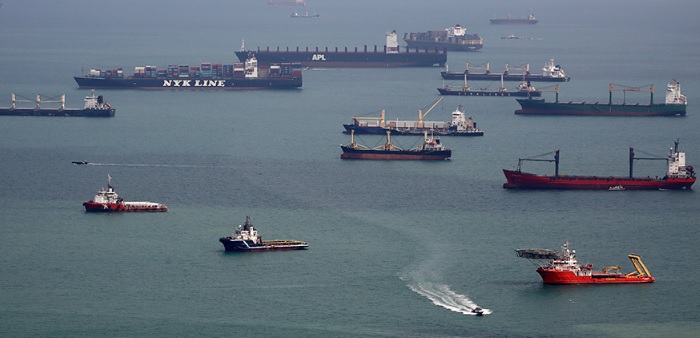
Maritime Piracy Escalates in 2025; Singapore Straits Declared Most Dangerous Waters
A new maritime security report for 2025 has revealed a notable increase in piracy and armed robbery incidents worldwide, with the Singapore Straits emerging as the most hazardous shipping corridor. According to the International Chamber of Commerce’s International Maritime Bureau (IMB), reported cases rose to 137 incidents, up from 116 in 2024, marking a continued upward trend in maritime crime. This spike has raised significant concerns among shipping operators and coastal authorities due to the region’s high traffic and strategic importance.
The Singapore Straits accounted for the majority of the global cases, registering 80 incidents, which represent approximately 58% of all reported piracy events in 2025. This surge is particularly alarming as the waters are a critical transit route for global trade, linking major shipping lanes between the Indian and Pacific Oceans. The high concentration of attacks in this area has prompted calls for stronger security coordination among regional maritime agencies.
While many incidents involved low-level theft and opportunistic boardings, the IMB report indicates an increase in the use of weapons and aggressive tactics. Several cases involved armed perpetrators using knives and firearms, escalating the threat level to crew safety. In some incidents, seafarers were threatened, injured, or temporarily detained, reflecting a shift towards more violent confrontations in previously considered safer waters.

ADVERTISMENT
The overall global figures show that 121 vessels were boarded, four were hijacked, and two were fired upon during the year. Additionally, there were ten attempted attacks, demonstrating the persistence of maritime criminal groups. The number of crew kidnappings also rose significantly, with 25 seafarers abducted worldwide, more than double the figure reported in 2024. These statistics underline the growing human cost of maritime piracy and the urgent need for enhanced protective measures.
Beyond Southeast Asia, piracy remains a serious challenge in other regions, particularly the Gulf of Guinea, where kidnapping and violent attacks continue to threaten maritime operations. Meanwhile, the Horn of Africa region saw fewer incidents in 2025, although sporadic long-range attacks indicate that pirate networks remain capable of mounting threats far from shore. The contrasting regional patterns highlight the shifting nature of maritime risk globally.
Industry stakeholders are urging improved reporting mechanisms, stronger law enforcement cooperation, and enhanced onboard security measures to address the rising threat. With global trade relying heavily on safe and uninterrupted shipping routes, authorities emphasize that coordinated action is essential to protect seafarers and maintain supply chain stability. The 2025 piracy trend serves as a stark reminder that maritime security must remain a top priority for governments and shipping companies alike.
