MARINO PH
Your Maritime Digital Hub

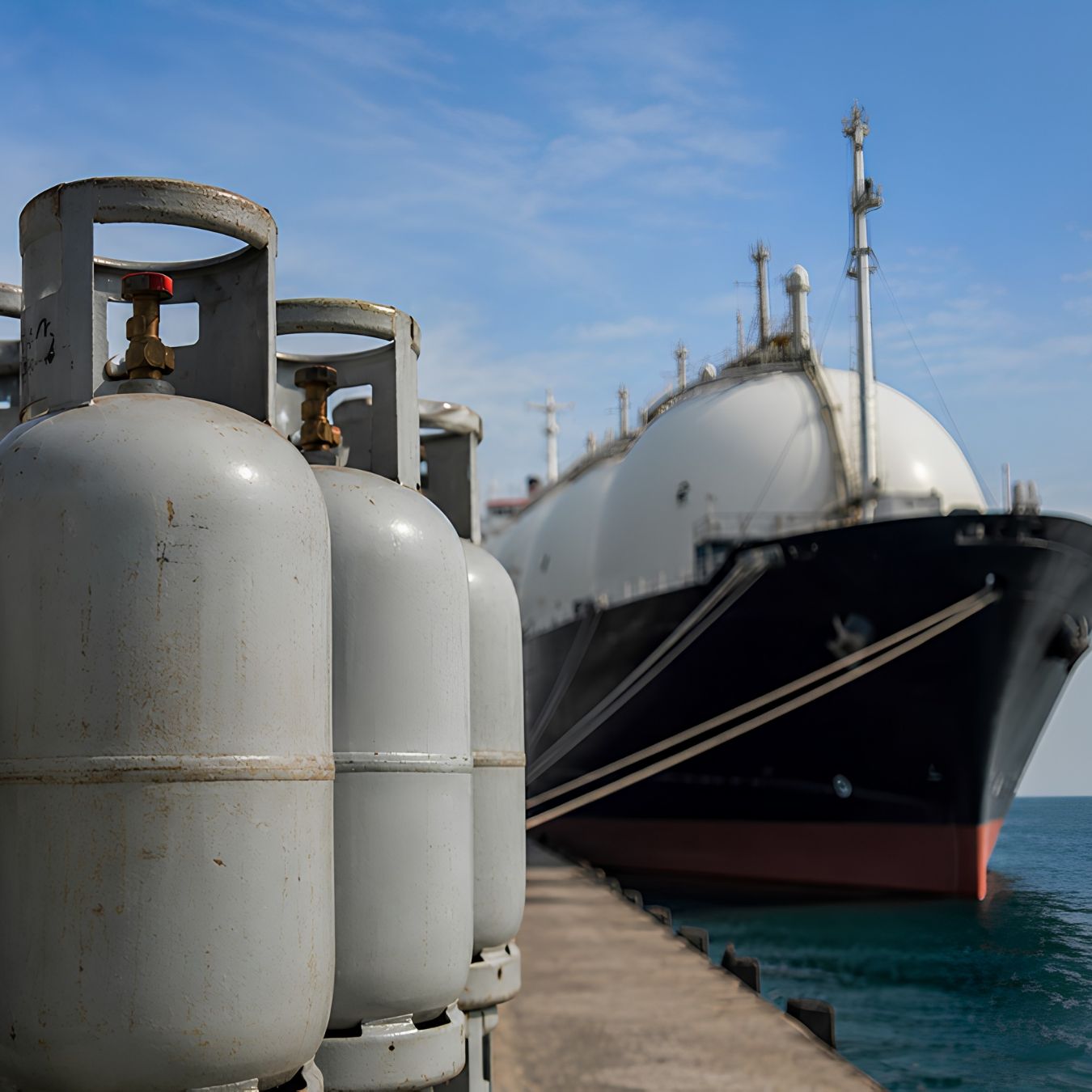
Photo Credit: Stan Laundon / VesselFinder
The United States has expanded its sanctions campaign against Iran by blacklisting six additional liquefied petroleum gas (LPG) carriers allegedly involved in transporting Iranian-origin gas through a network designed to conceal its source and destination. The move was announced by the U.S. Department of the Treasury as part of ongoing efforts to disrupt what authorities describe as Iran’s “shadow fleet†and related financial networks.
According to U.S. officials, the sanctioned vessels were allegedly used to move millions of barrels of Iranian LPG to markets in South and East Asia while disguising the cargoes as products originating from other countries. Authorities claim the operation relied on front companies, foreign bank accounts, and complex shipping arrangements to evade existing international sanctions.
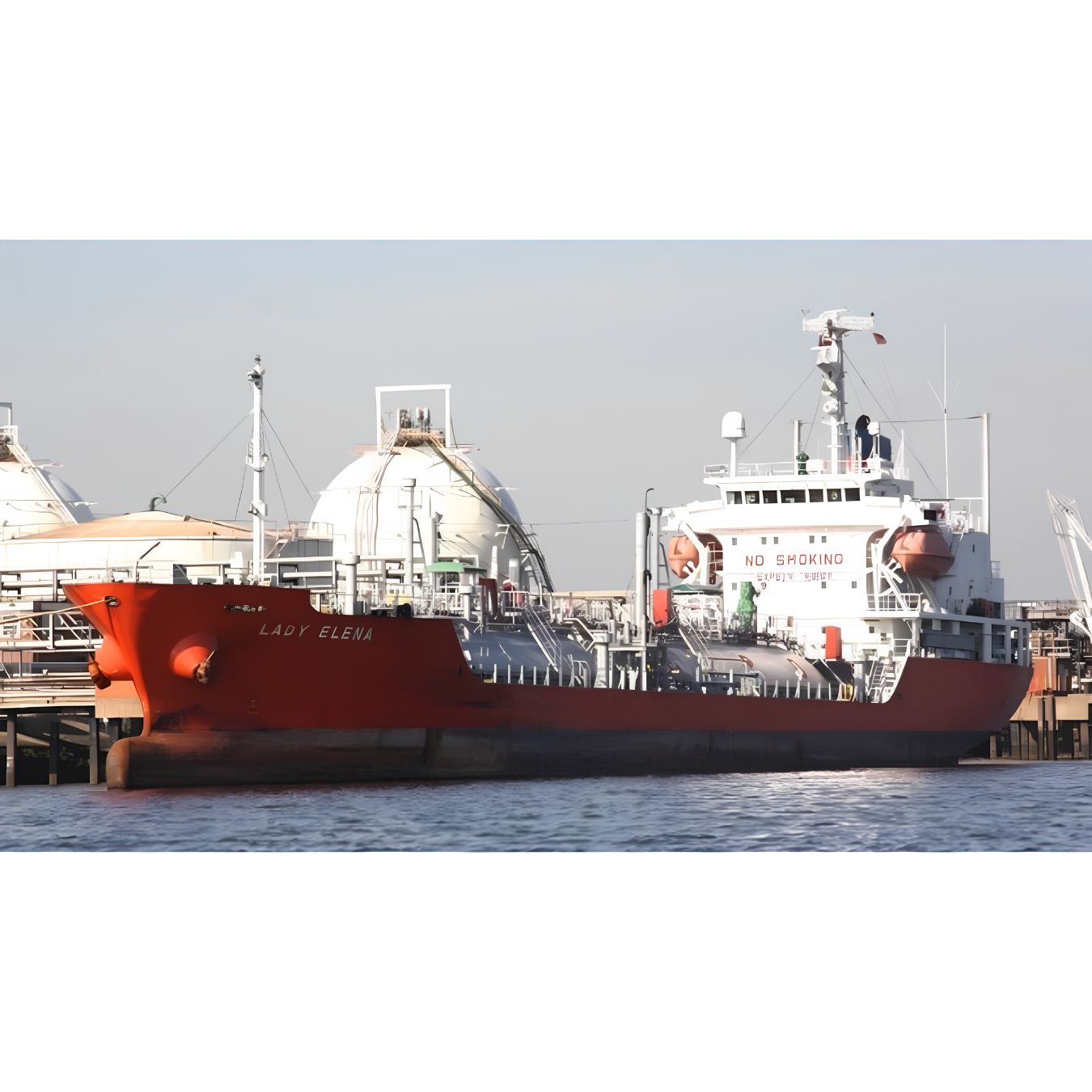
Photo Credit: Reuters
In addition to the vessels, the sanctions also targeted several companies and individuals based in multiple jurisdictions, including the United Arab Emirates, China, and the Marshall Islands. U.S. authorities stated that these entities played roles in facilitating the transportation, financing, and commercial transactions connected to the movement of Iranian LPG.
The latest measures form part of Washington’s broader strategy to increase economic pressure on Tehran while continuing diplomatic engagements concerning regional security and nuclear-related issues. Treasury officials emphasized that efforts will continue to identify and restrict networks involved in circumventing sanctions and accessing global trade channels.
The sanctions may have implications for vessel operators, charterers, insurers, financial institutions, and other stakeholders involved in international LPG transportation. Maritime compliance experts often note that sanctions enforcement actions can increase due diligence requirements across the shipping sector, particularly for vessels operating in regions associated with high-risk cargo movements.
