MARINO PH
Your Maritime Digital Hub

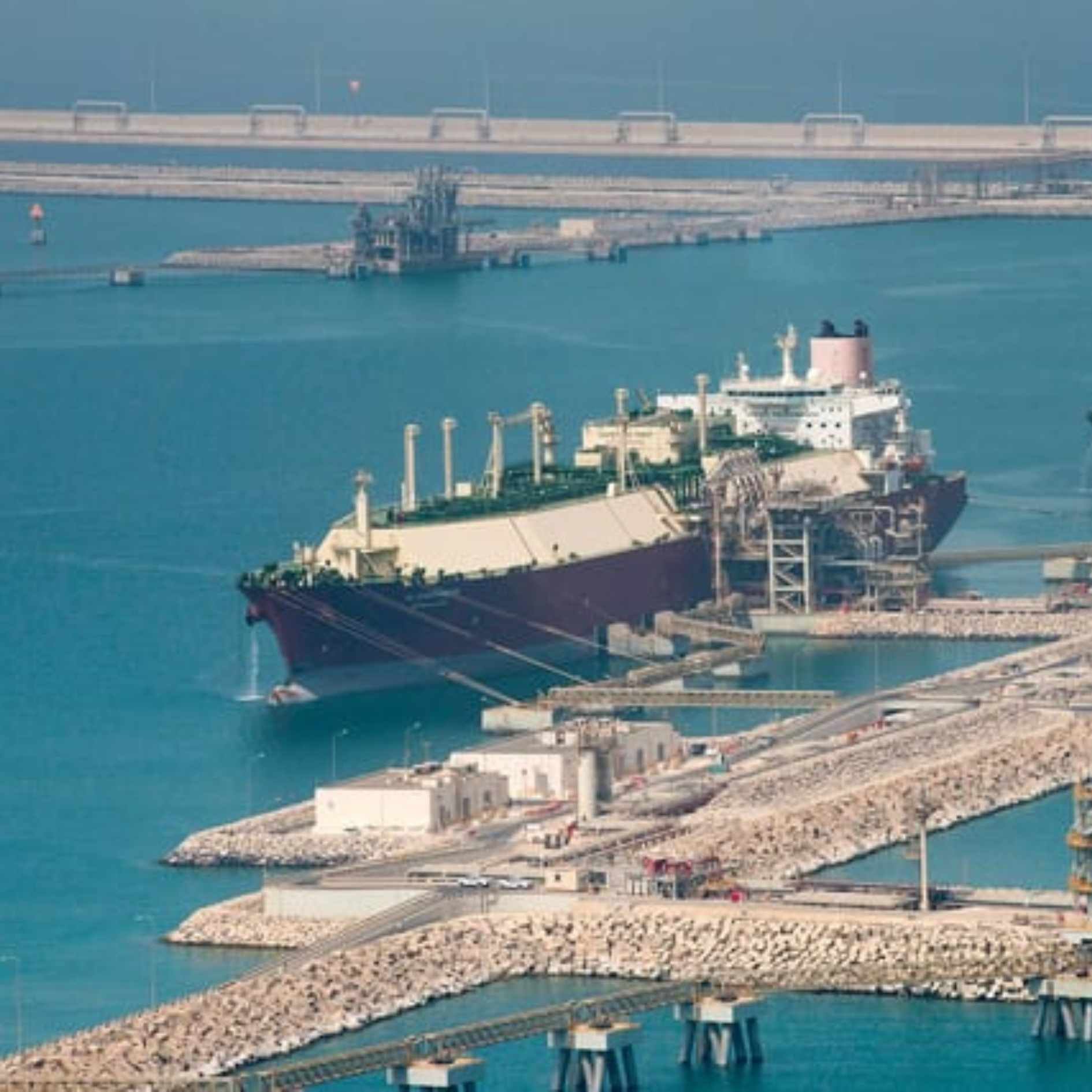
Photo Courtesy: Qatar Gas
Qatar has resumed liquefied natural gas (LNG) shipments through the Strait of Hormuz, with the first cargo departing the strategic waterway after a three-week pause. The development comes following heightened security concerns in the region after one of Qatar's LNG carriers was attacked earlier this month, prompting the temporary suspension of regular LNG transits through the strait.
According to ship-tracking data, the LNG carrier Al Areesh departed from Qatar's Ras Laffan export terminal and successfully transited the Strait of Hormuz en route to Pakistan. The voyage marks the first QatarEnergy-controlled LNG shipment to pass through the waterway since operations were disrupted by the recent regional conflict.

The Strait of Hormuz is one of the world\'s most critical maritime chokepoints, serving as a key route for global oil and LNG exports. The prolonged disruption had raised concerns among energy markets and importing countries, particularly in Asia, where many nations rely on Qatari LNG supplies. The successful transit may indicate a cautious return of LNG shipping activity, although security risks in the region continue to be closely monitored.
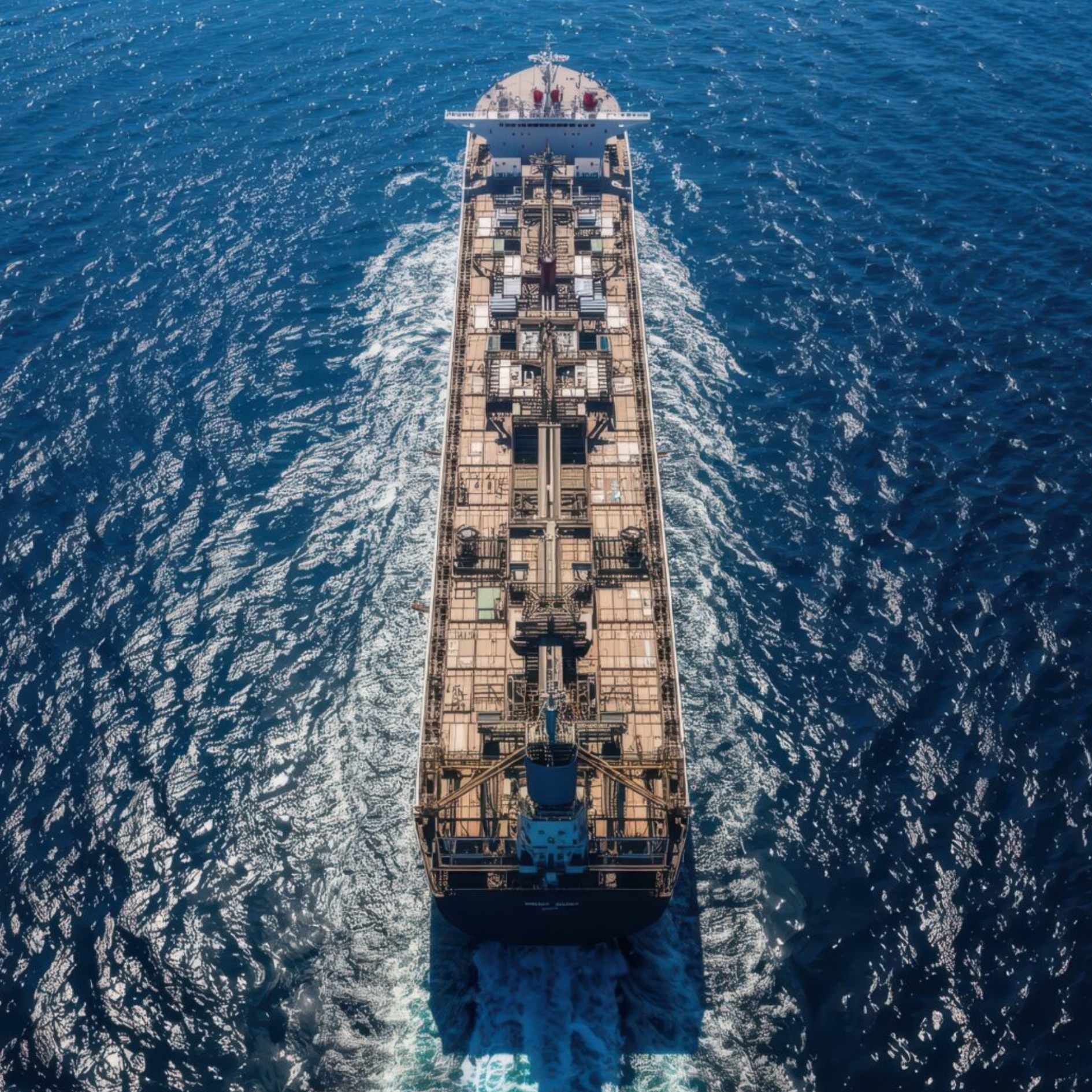
Photo Courtesy: Qatar Gas
Despite the latest shipment, industry analysts noted that shipping companies remain vigilant due to ongoing geopolitical tensions. Some vessels continue to adjust their routes and operating procedures while monitoring security developments before fully resuming normal trading patterns through the waterway.
Maritime authorities and energy stakeholders are expected to continue assessing the evolving security situation in the Gulf region, as any further disruptions in the Strait of Hormuz could have significant implications for global energy supply chains, freight markets, and international shipping operations.
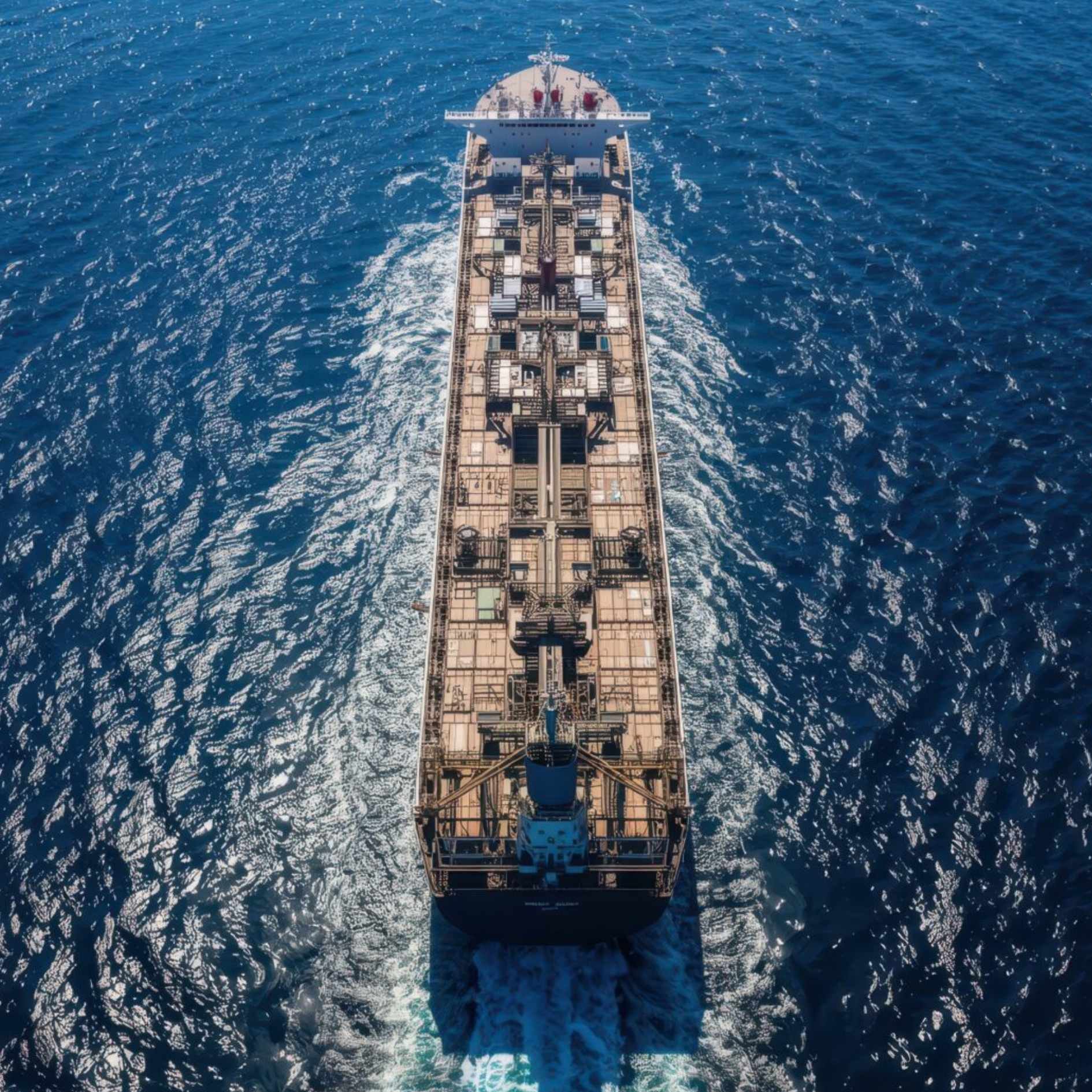
Photo Courtesy: Qatar Gas
Despite the latest shipment, industry analysts noted that shipping companies remain vigilant due to ongoing geopolitical tensions. Some vessels continue to adjust their routes and operating procedures while monitoring security developments before fully resuming normal trading patterns through the waterway.
Maritime authorities and energy stakeholders are expected to continue assessing the evolving security situation in the Gulf region, as any further disruptions in the Strait of Hormuz could have significant implications for global energy supply chains, freight markets, and international shipping operations.
