MARINO PH
Your Maritime Digital Hub

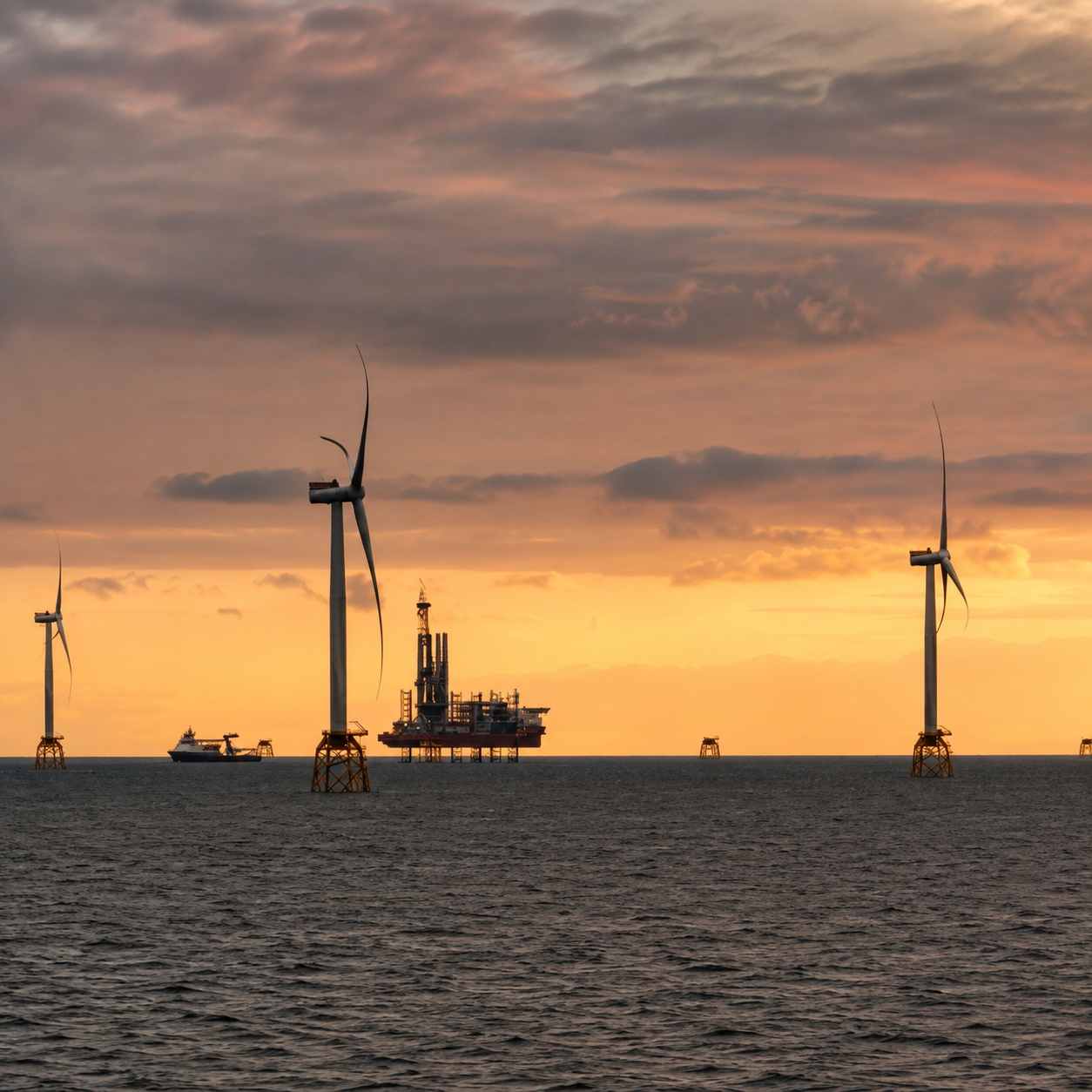
PHOTO COURTESY: Eddytb Foto/Shutterstock
German energy company RWE has reached a $1.22 billion agreement with the administration of U.S. President Donald Trump to surrender three offshore wind energy leases located off the coasts of New York, Louisiana, and California. The projects were still in the early stages of development and had not yet entered construction. The agreement marks one of the largest offshore wind lease settlements announced by the U.S. government.
According to RWE, the decision was made after the company faced permitting challenges and an uncertain regulatory environment that affected the progress of the projects. Company officials said there was no clear pathway to advance the offshore wind developments under the current conditions. As a result, RWE decided to discontinue the projects and shift its investment strategy in the United States.
Under the agreement, RWE will redirect approximately $1.22 billion toward other energy investments. Around $900 million will be invested in a liquefied natural gas (LNG) project in Louisiana, while approximately $300 million will support the development of gas turbine equipment for power generation. The company stated that these investments are expected to provide a more predictable regulatory framework and support future energy supply.

ADVERTISEMENT
The agreement is the fifth and largest settlement involving offshore wind leases announced by the Trump administration this year. The administration has continued to prioritize conventional energy development, including natural gas, while reducing support for new offshore wind projects. The policy reflects the government\'s current approach to strengthening domestic energy production, although it has also generated discussions among stakeholders regarding the future of renewable energy development in the United States.
The latest development highlights the significant role that government policies play in shaping investments across the energy and maritime sectors. Changes in offshore wind activity may influence future demand for offshore construction vessels, support ships, port services, and other maritime operations connected to renewable energy projects. Industry stakeholders are expected to continue monitoring policy developments as the U.S. energy sector evolves.
