MARINO PH
Your Maritime Digital Hub

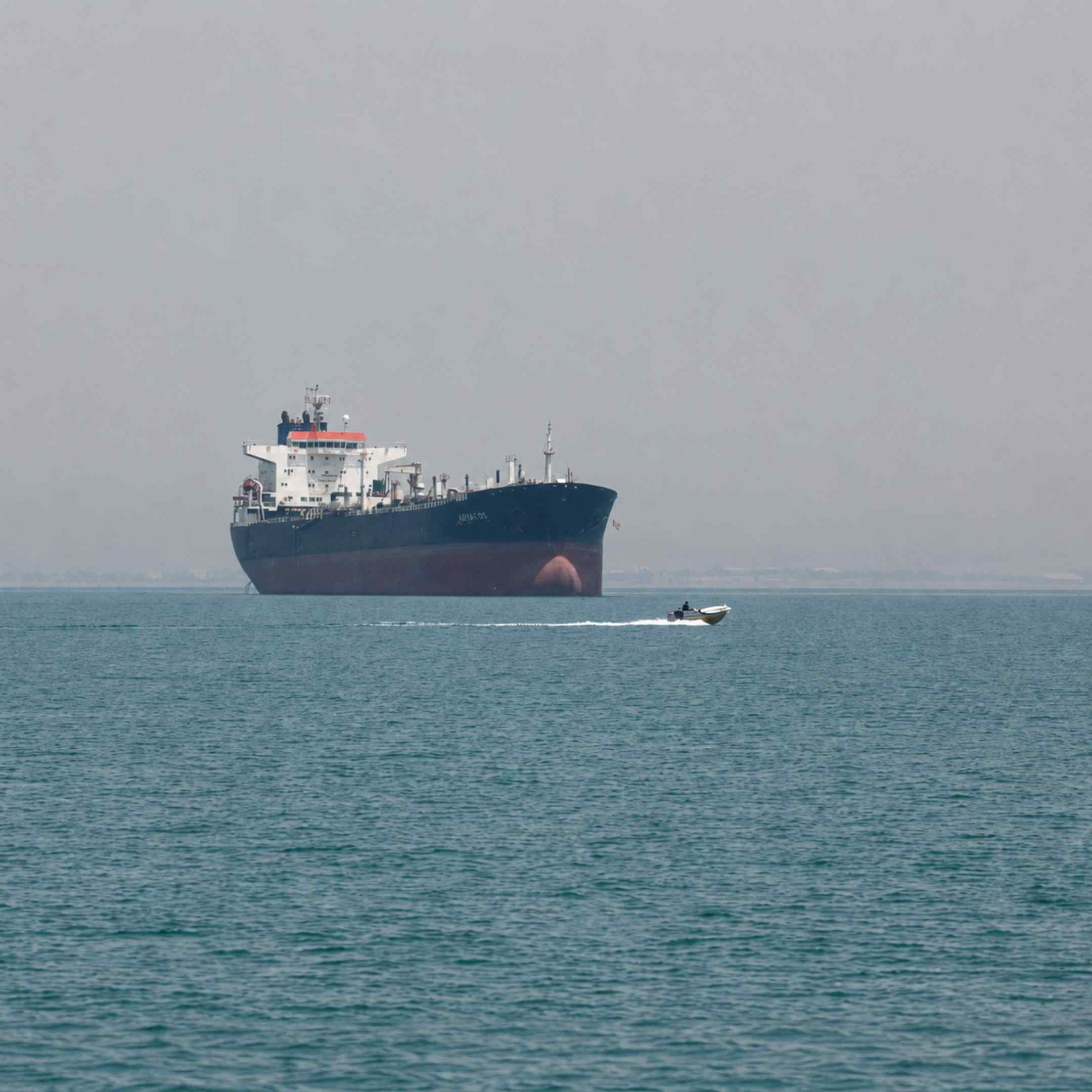
Photo Credit: Reuters
The global shipping industry is expressing serious concerns over a proposal that could grant Iran greater authority over vessels transiting the Strait of Hormuz, one of the world’s most strategically important maritime trade routes.
According to industry reports, the proposal, reportedly involving cooperation between Iran and Oman, would require ships navigating the strategic waterway to comply with a new transit framework. However, maritime stakeholders warn that the plan faces significant legal, financial, and operational challenges that could complicate international shipping rather than improve navigation.

ADVERTISEMENT
One of the primary concerns is the impact of existing U.S. sanctions on Iranian entities. Shipping companies, insurers, and financial institutions may be unable to make any required payments associated with the proposed transit system without risking sanctions violations. In addition, several marine insurers have introduced restrictive policy clauses that could invalidate insurance coverage if shipowners make payments to sanctioned organizations. These developments have created considerable uncertainty for vessel operators trading in the region.
The Strait of Hormuz remains one of the world’s busiest and most strategically significant maritime chokepoints, serving as a vital gateway for global oil, liquefied natural gas (LNG), and commercial cargo shipments. Any disruption or additional restrictions in the area could have far-reaching consequences for international trade, energy markets, freight costs, and global supply chains
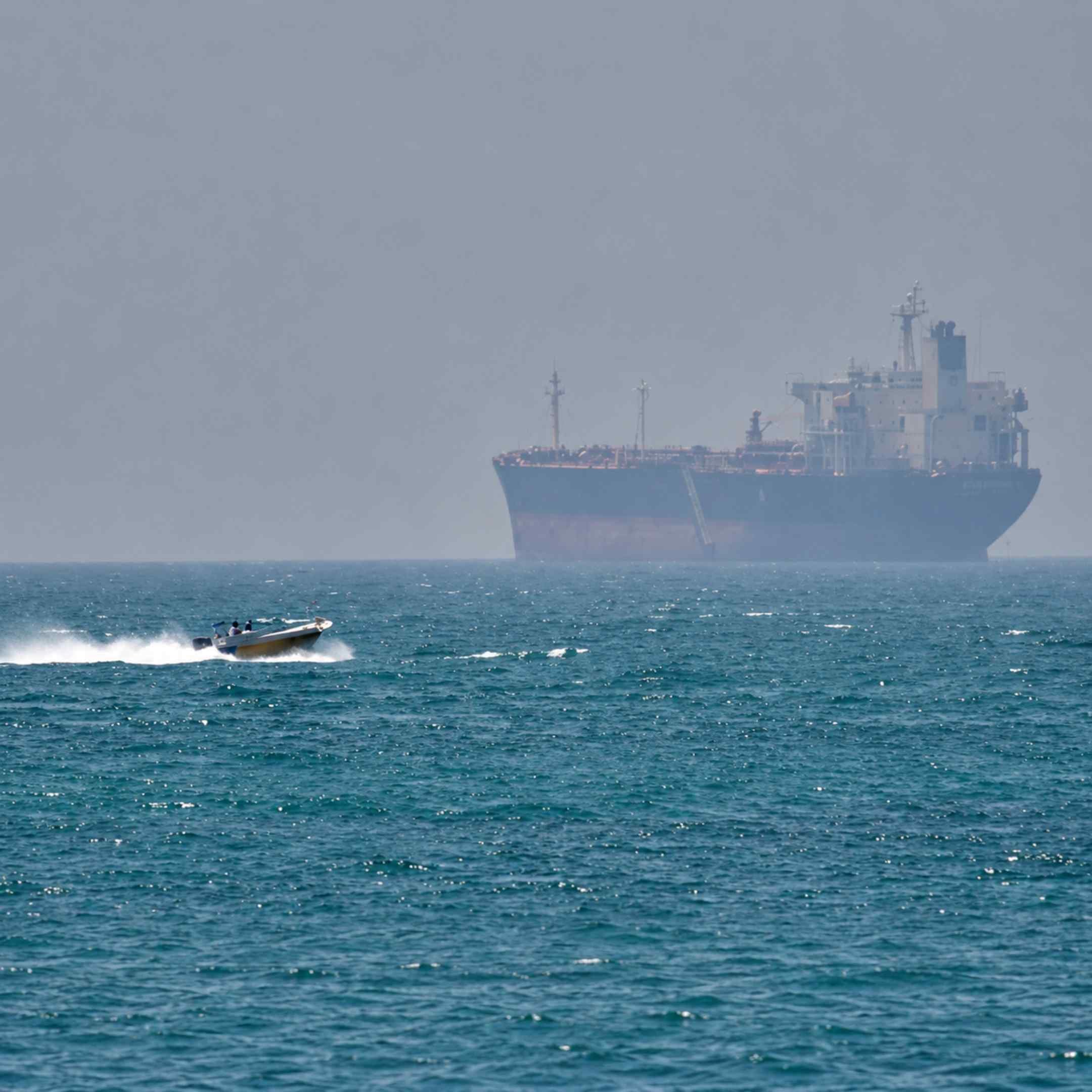
Photo Credit: NPR
Industry experts also emphasized that freedom of navigation through international straits is a fundamental principle of international maritime law. They cautioned that imposing transit fees or additional operational requirements under the proposed framework could lead to legal disputes and further complicate commercial shipping operations. The International Maritime Organization (IMO) has consistently supported the safe, secure, and non-discriminatory passage of vessels through international waterways, underscoring the importance of maintaining uninterrupted navigation through the Strait of Hormuz.
As discussions continue, shipping companies are closely monitoring developments while assessing the potential operational, legal, and financial implications. For now, many industry leaders believe that the proposal faces substantial hurdles, particularly regarding international sanctions, insurance compliance, and legal considerations, before any new transit arrangement could be implemented effectively.
