
MARINO PH
Your Maritime Digital Hub

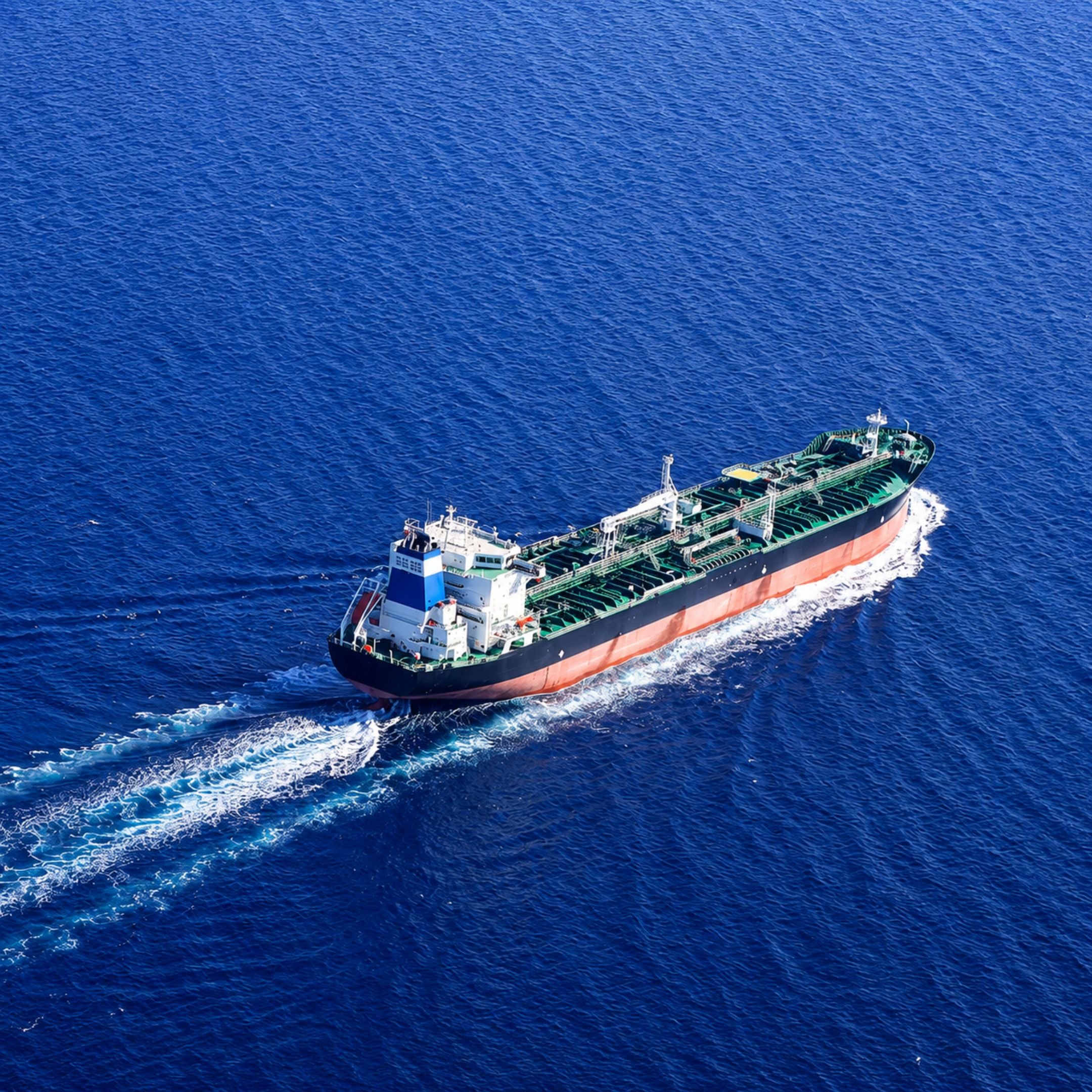
Photo Credit: Igor Karasi / Shutterstock
The United States has extended a temporary waiver of the Jones Act for another 90 days, allowing eligible foreign-flagged vessels to transport certain commodities between U.S. ports. The measure is intended to provide additional shipping flexibility as disruptions in global energy markets continue to affect transportation and supply chains.
The Jones Act, part of the Merchant Marine Act of 1920, generally requires cargo moving between U.S. ports to be transported aboard vessels that are U.S.-built, U.S.-owned and U.S.-crewed. The law has long been regarded as an important component of U.S. maritime and national security policy.

ADVERTISEMENT
Under the extended waiver, foreign-vessel voyages are expected to face tighter conditions, including case-by-case assessments of whether suitable Jones Act-qualified vessels are available. The approach seeks to address immediate transportation requirements while giving consideration to available domestic shipping capacity.
The extension has drawn differing views from maritime stakeholders. U.S. shipbuilders, vessel operators and maritime labor groups have raised concerns that prolonged waivers could reduce opportunities for domestic operators and potentially weaken investment in American shipbuilding, vessels and maritime employment.
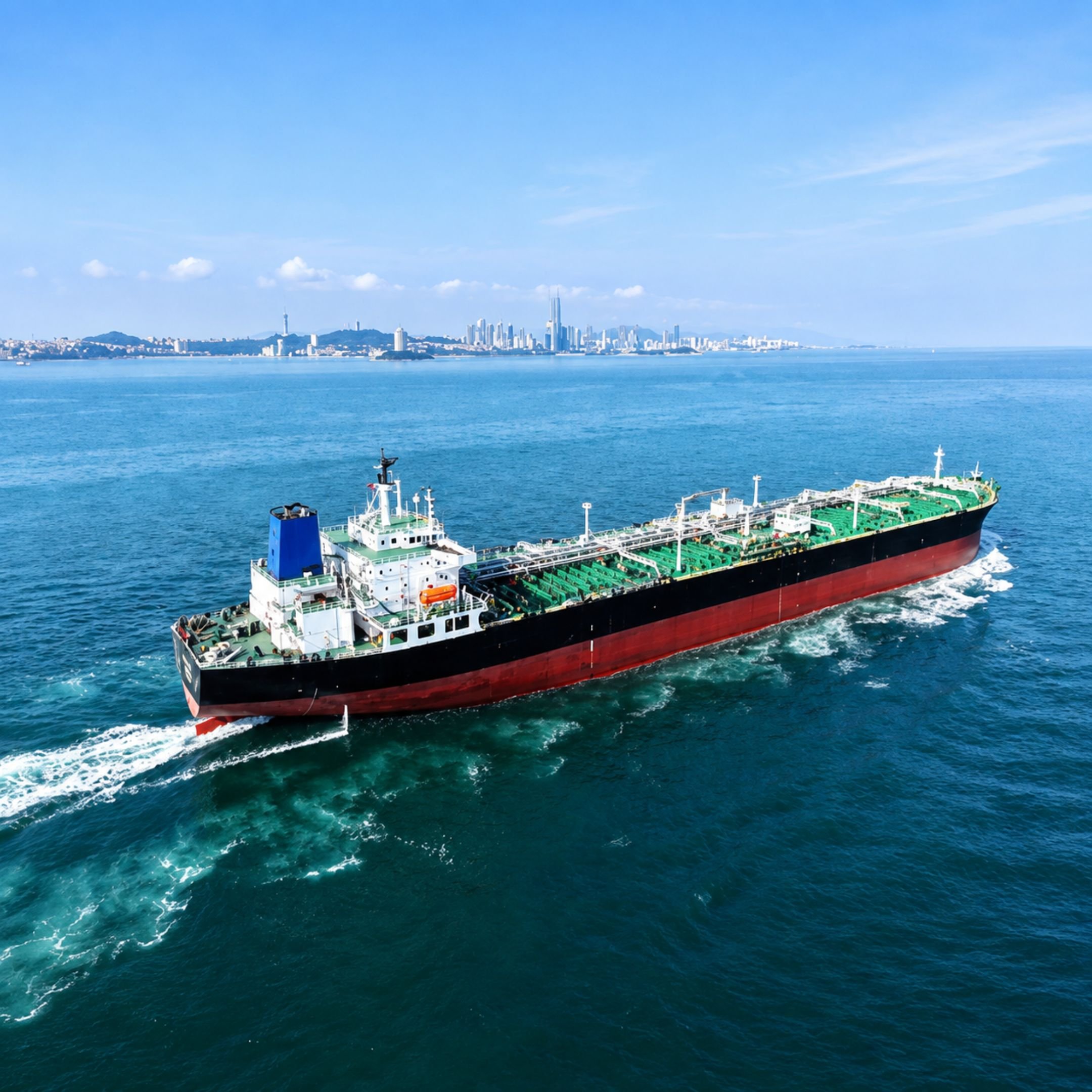
Photo Credit: Reason Magazine
Supporters of the waiver, including energy industry representatives, argue that temporary flexibility can help address vessel shortages and maintain the efficient movement of energy products during periods of market disruption. According to Maritime Administration data cited by gCaptain, 212 voyages had been completed under the exemption as of August 8.
The continued waiver highlights the broader debate over balancing short-term energy and transportation needs with the long-term objective of maintaining a strong U.S. merchant marine and shipbuilding industry. With another 90 days authorized, maritime stakeholders are expected to closely monitor its impact on domestic shipping capacity, energy logistics and the American maritime workforce.
