MARINO PH
Your Maritime Digital Hub

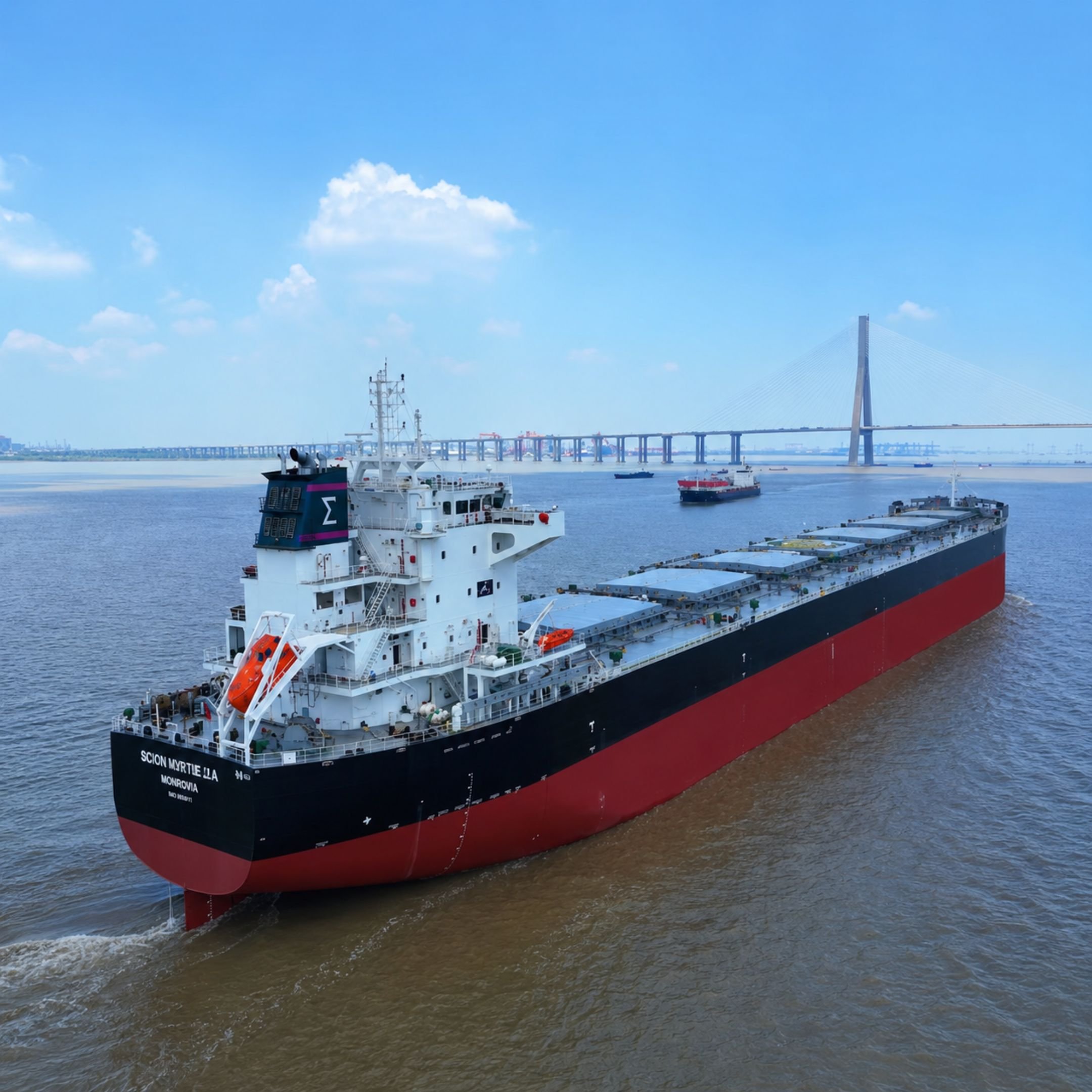
Photo Credit: The Maritime Executive
A bulk carrier has completed an international voyage using Very Low Sulphur Fuel Oil (VLSFO) co-processed with Cashew Nutshell Liquid (CNSL), demonstrating another potential option for reducing greenhouse gas emissions from conventional marine fuels.
The 82,144-dwt Scion Mathilda received 246.5 metric tons of co-processed VLSFO during a bunkering operation in Singapore. The fuel supply consisted of 212 metric tons of conventional VLSFO and 34.5 metric tons of co-processed CNSL VLSFO. The vessel was later transferred to new owners and renamed Magic Saturn in June 2026.

ADVERTISEMENT
The vessel used the fuel during a voyage that included operations across Asia, Northern Europe, and South America. It loaded cargo at Caofeidian, China, before sailing to Rotterdam in the Netherlands and later proceeding in ballast to Barcarena, Brazil.
According to information provided by the companies involved, the vessel completed the voyage without reported operational issues related to the fuel. The co-processed fuel had a greenhouse gas intensity of 2.02 grams of CO₂ equivalent per megajoule and was reported to have reduced emissions by at least 120 metric tons of CO₂ equivalent compared with conventional VLSFO on an equivalent basis. No additional onboard fuel handling or treatment was reportedly required.
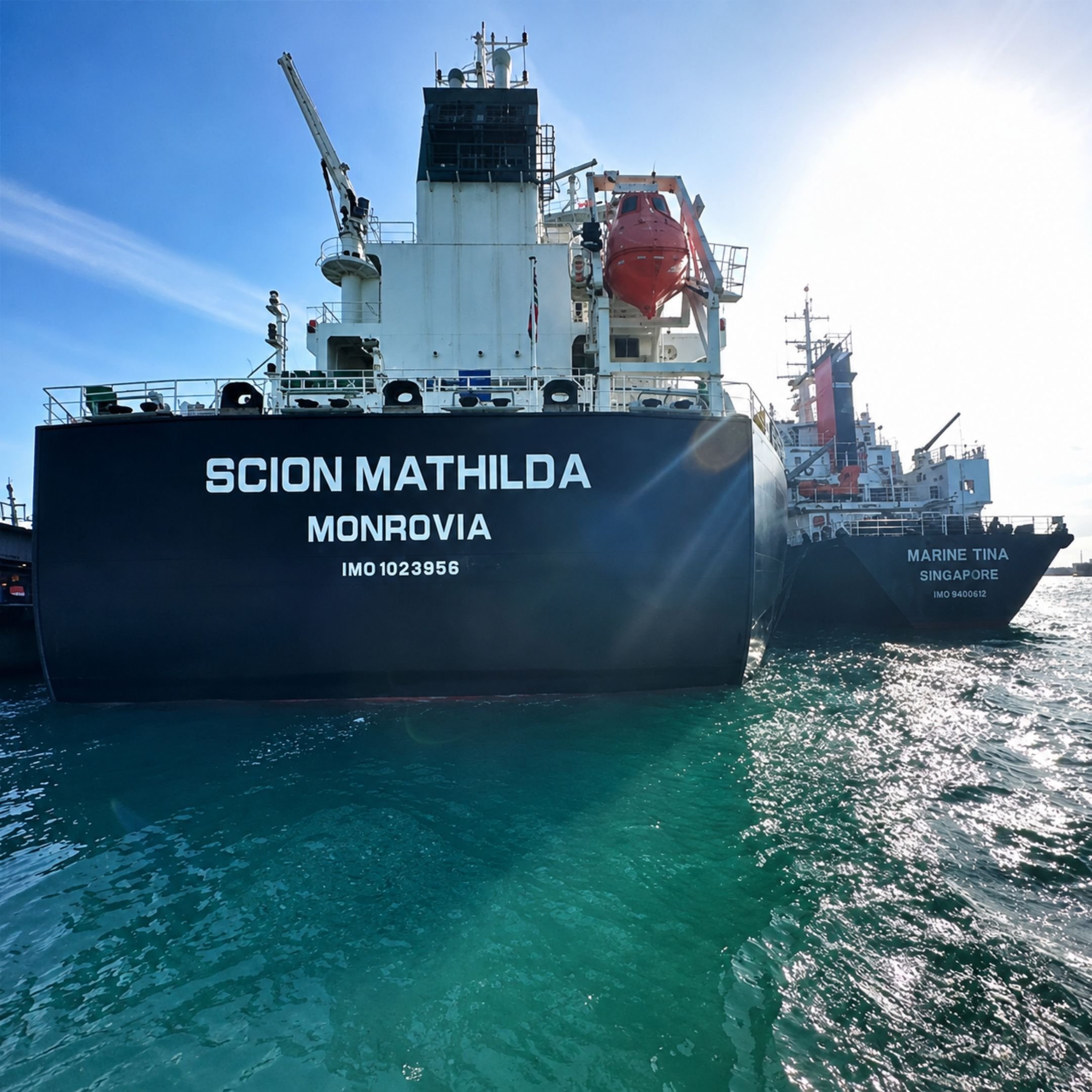
Photo Credit: The Maritime Executive
Cashew Nutshell Liquid is a by-product of cashew processing that is being explored as a potential feedstock for marine biofuels. The trial forms part of broader industry efforts to evaluate alternative and lower-carbon fuels that could be incorporated into existing marine fuel supply chains while maintaining normal vessel operations.
The results provide additional operational data on the potential use of co-processed biofuels in commercial shipping. However, wider adoption will depend on several factors, including fuel availability, quality control, cost, regulatory requirements, and the ability to achieve consistent emissions reductions across different vessel types and operating conditions.
