MARINO PH
Your Maritime Digital Hub

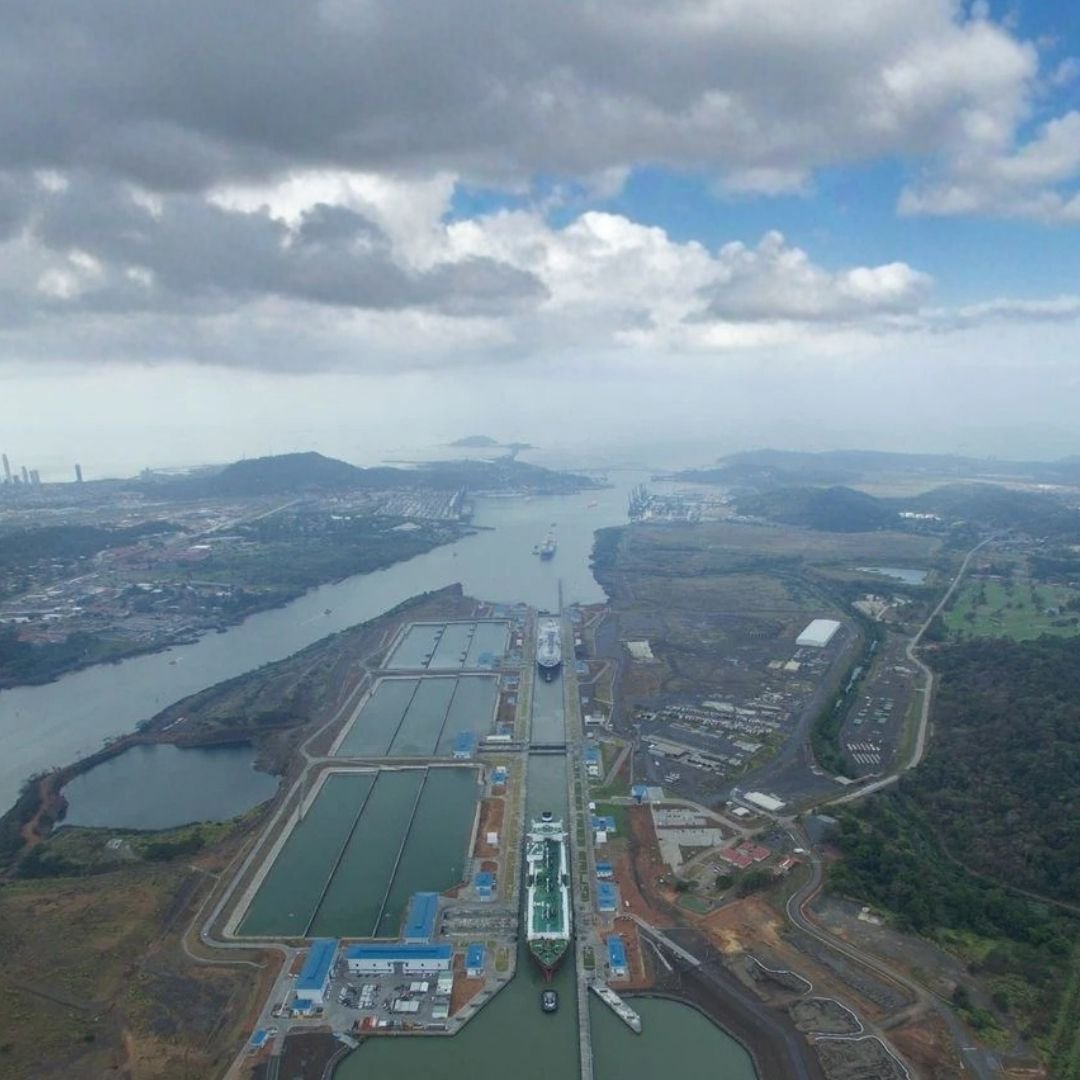
PHOTO COURTESY: Panama Canal Authority/Jorge Luis Quijano
The Panama Canal is facing growing congestion as increased demand for the waterway coincides with renewed concerns over falling water levels. The situation is being driven partly by disruptions in other major shipping routes, including the Middle East, which have pushed more vessels toward the Panama Canal.
Around 112 vessels were reportedly waiting to enter the canal, with container ships warned that delays could increase as more oil tankers seek passage. The growing demand is putting additional pressure on an already limited number of transit slots.

The Panama Canal Authority is also preparing for the effects of El Niño, which could reduce rainfall and lower the water levels of Gatún Lake and other reservoirs that supply the canal. Daily transits are expected to be reduced from 36 to 34 starting in early September and then to 32 by September 15 if conditions continue to worsen.
The combination of congestion, water restrictions and strong shipping demand could lead to longer waiting times and higher costs for shipowners and cargo operators. The situation is being closely monitored as the Panama Canal remains a critical route for global trade connecting the Atlantic and Pacific Oceans.
