
MARINO PH
Your Maritime Digital Hub


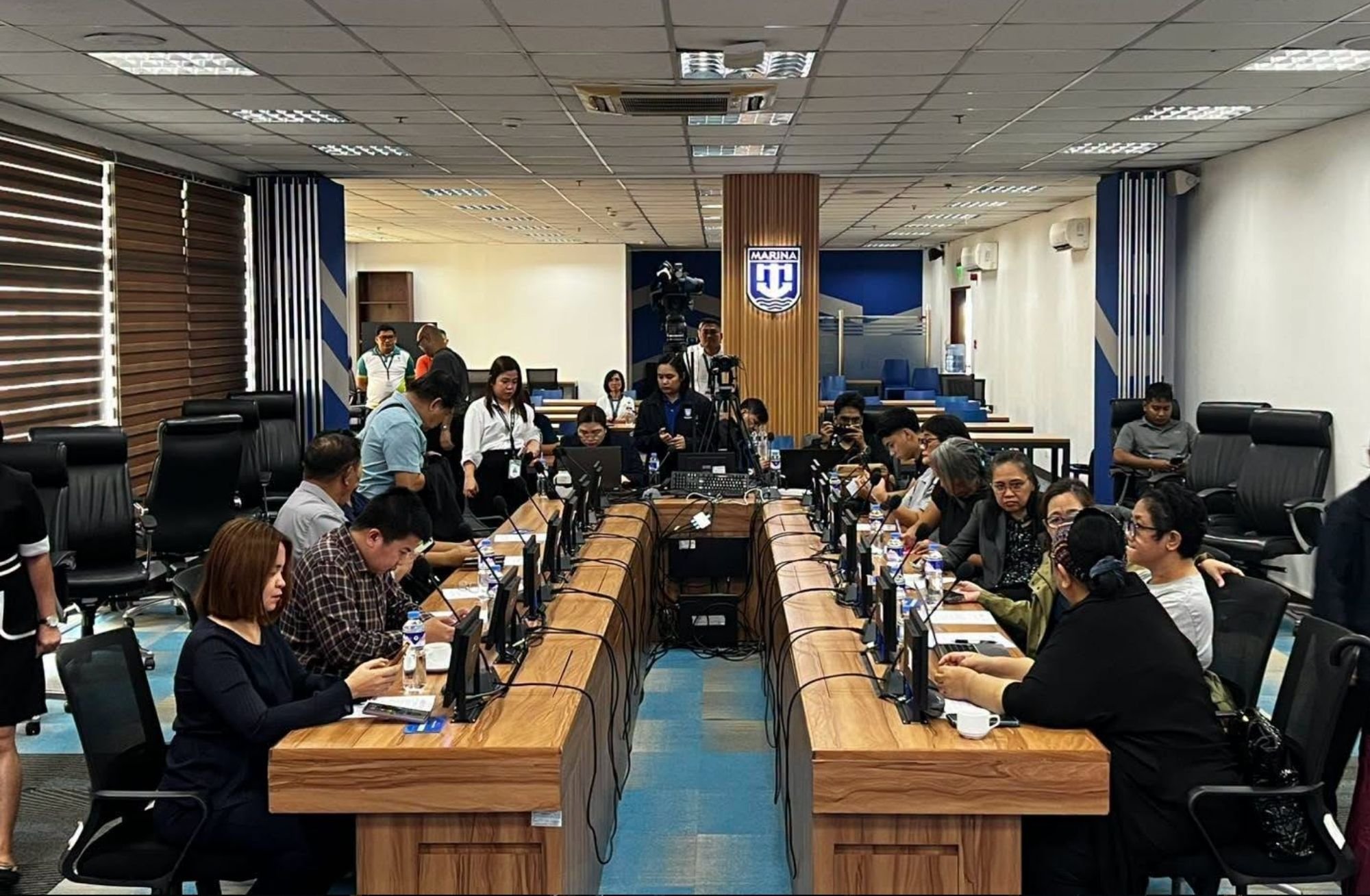
MANILA — The Maritime Industry Authority (MARINA), led by Administrator Sonia B. Malaluan, provided updates during its August 31, 2026 press conference on the disruption affecting the Seafarer’s Identity Document (SID) and Seafarer’s Record Book (SRB) processing and issuance system. MARINA confirmed that the disruption was linked to a cybersecurity incident that prompted the agency to take the affected system offline while technical and security assessments were conducted.

MARINA said its investigation found no indication that seafarers’ personal information had been compromised or leaked. The agency also confirmed that the attackers were believed to be operating outside the Philippines and that a ransom note had been received, although MARINA did not disclose any amount. Officials said system restoration was being handled carefully to prevent further security risks.

During the press conference, MARINA confirmed that a test of the SID/SRB system conducted on Saturday, August 29, was successful. Following the test, the agency announced that beginning September 1, 2026, expedited SID and SRB applications would be accepted at the MARINA Central Office in Manila under an interim processing system. Priority will be given to seafarers with immediate or confirmed deployment requirements.

MARINA also explained the temporary measures implemented while the system was unavailable. These included issuing certifications for qualified seafarers with urgent deployments and allowing expired or expiring SRB/SIRB documents to receive a one-year extension under the agency’s interim arrangements. Thousands of certifications were issued during the disruption to help prevent seafarers from missing their scheduled deployments.
MARINA said full restoration of SID/SRB services will be carried out gradually as system testing, stabilization and cybersecurity measures continue. Regional processing is also expected to resume once the system is considered secure and ready for wider use. The incident has prompted MARINA to pursue improvements to its information technology infrastructure, including plans for a nationwide technology upgrade and a disaster recovery system intended to maintain essential services during future cyberattacks or major system failures.
