MARINO PH
Your Maritime Digital Hub


The Philippines remains one of the world’s major sources of maritime professionals, supplying officers and ratings to international fleets across different sectors of shipping. As the industry changes through digitalization, artificial intelligence, decarbonization, alternative fuels and new vessel technologies, the skills expected from seafarers are also changing. At the same time, geopolitical tensions, employment concerns and the continuing demand for qualified senior officers are shaping how international maritime employers plan for the years ahead.
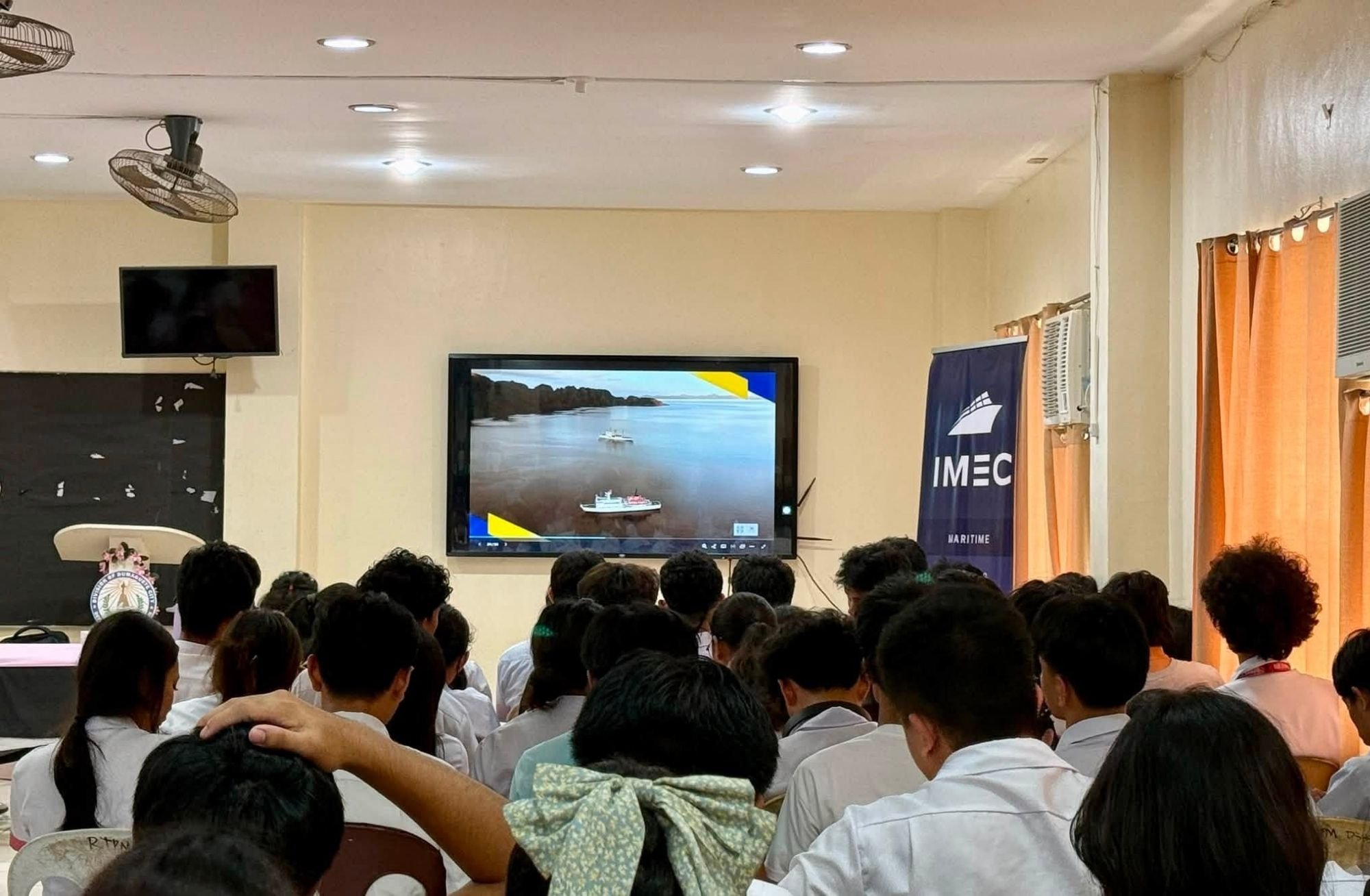
PHOTO COURTESY: IMEC Philippines
The International Maritime Employers’ Council (IMEC) has maintained a long-standing relationship with the Philippine maritime sector, particularly in cadet development, training and employment. Its members continue to regard Filipino seafarers as an important part of the international maritime workforce, while IMEC has invested significantly in preparing Filipino cadets and officers for careers aboard increasingly advanced vessels.
In an exclusive interview with MARINO PH Editor-in-Chief Dr. Reno Bolivar, IMEC Chief Executive Officer Francesco Gargiulo discussed the organization’s outlook for Filipino seafarers and its future plans in the Philippines. Gargiulo addressed employment prospects, the shortage of senior officers, cadet development, maritime education, ship management, geopolitical risks, artificial intelligence, alternative fuels and the challenge of attracting younger generations to maritime careers.
He also spoke openly about issues that IMEC believes affect the Philippine maritime employment environment, including claims and dispute resolution, the implementation of the Magna Carta of Filipino Seafarers, training berths for maritime students and the quality of maritime education. The following is the full question-and-answer interview with Gargiulo, with his responses presented as provided to MARINO PH.
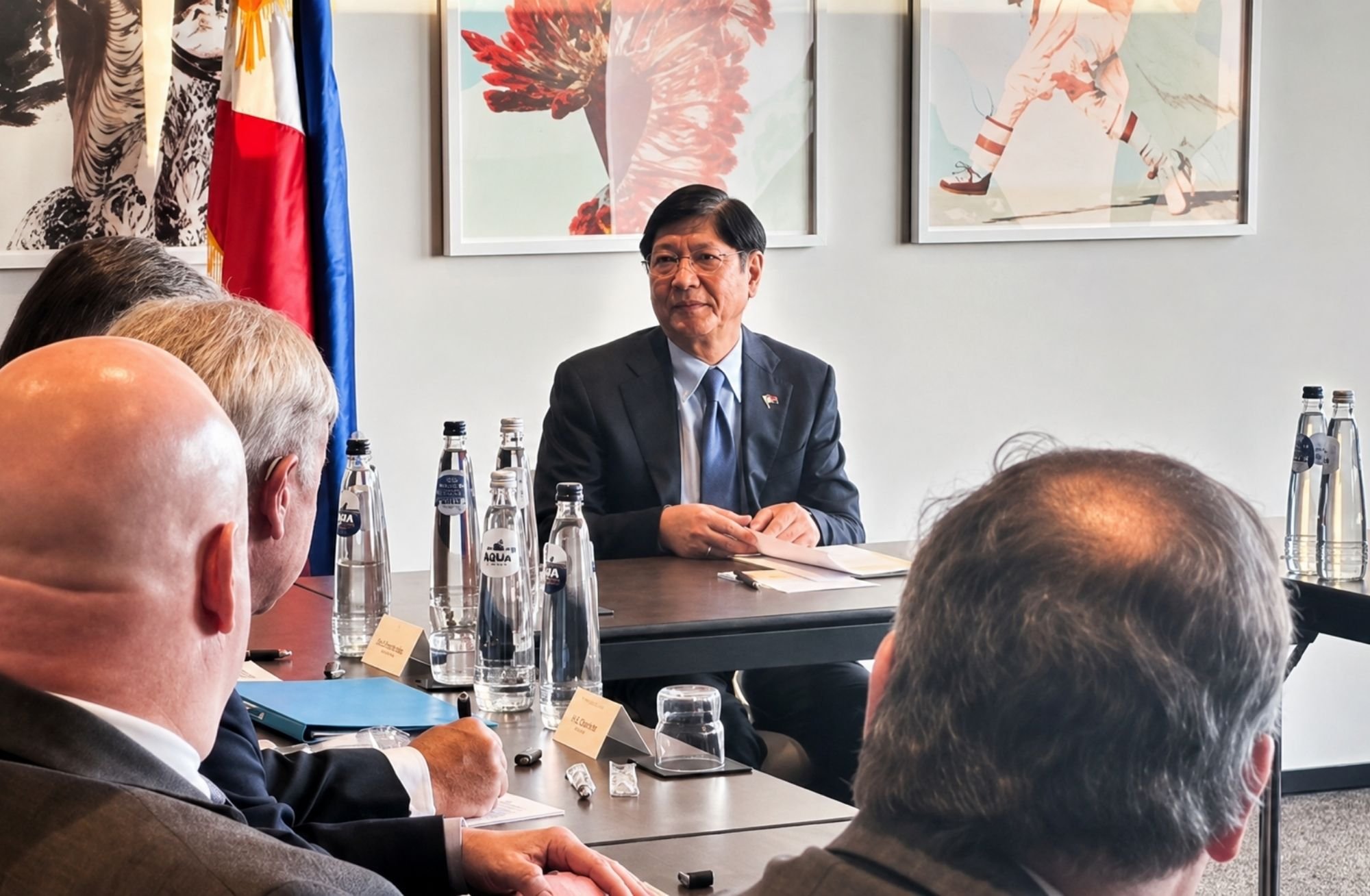
PHOTO COURTESY: Office of the Press Secretary
IMEC and the Philippines
Q. The Philippines remains one of the world’s leading sources of maritime professionals. How important are Filipino seafarers to IMEC members today, and how do you see this partnership developing?
A. Filipino seafarers continue to play a pivotal role in our industry and remain the “go-to” nationality for many of our Members. Shipping is evolving, and I am pleased to say that the Philippines is embracing this change and rising to the challenge. IMEC Members remain committed to the Philippines as a key source of qualified maritime professionals. Over the last decade, that commitment has expanded from a primary focus on ratings to recognising the country as an increasingly important source of officers too.
The technical and human skills Filipino seafarers bring to the table are widely recognised. However, the employment environment would benefit from continued government support, as concerns around ambulance chasing have, for years, discouraged some employers. We are pleased to see this administration taking the issue seriously, and the introduction of the Magna Carta has led to a significant improvement in cases handled by the NLRC. Unfortunately, we continue to receive reports from concerned employers that, when it comes to the NCMB, there is not yet a level playing field, with some decisions still appearing to disregard the Magna Carta despite its status as law.
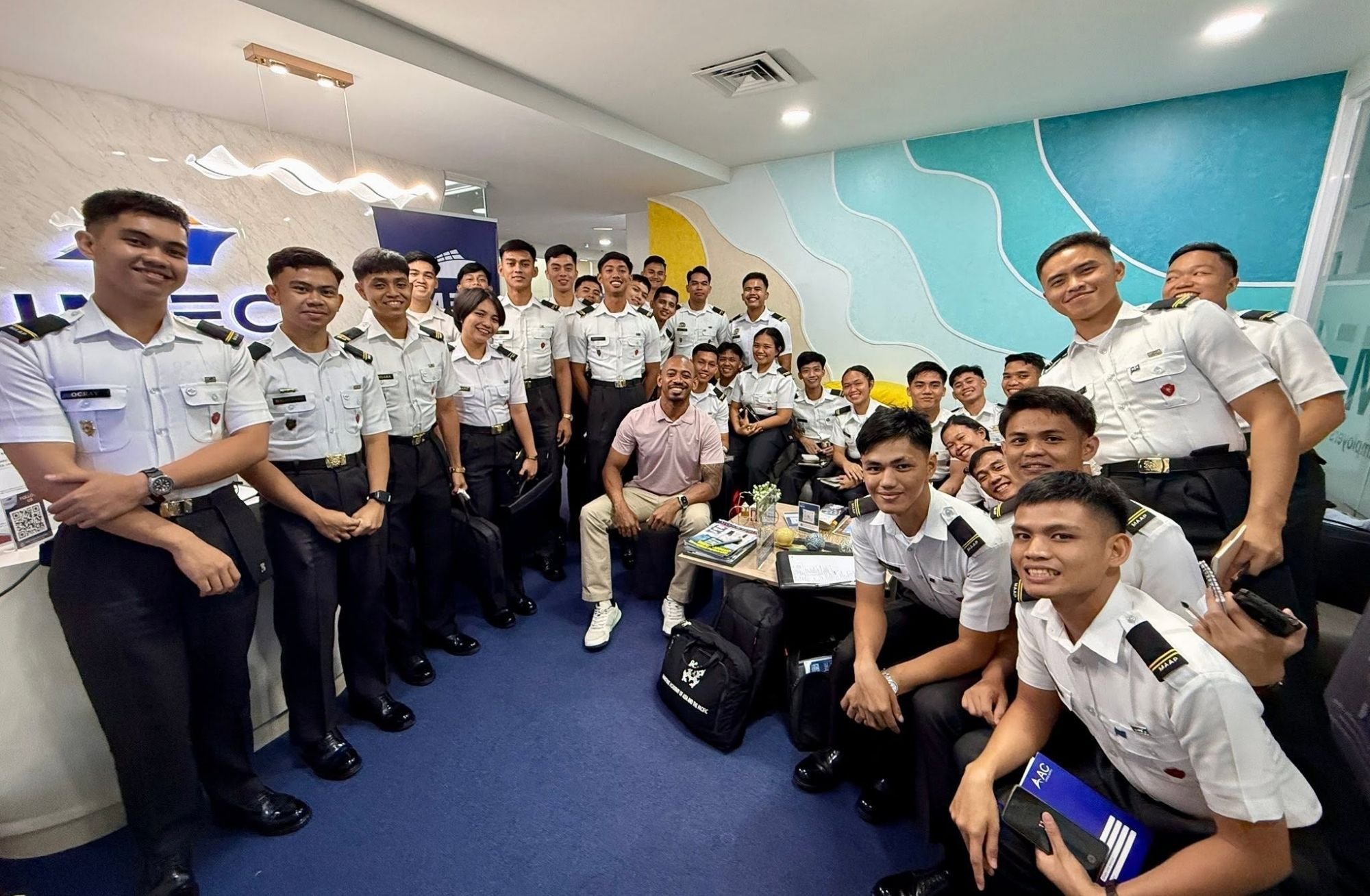
PHOTO COURTESY: IMEC Philippines
Future of Filipino Seafarers
Q. As shipping continues to evolve, what opportunities do you see for Filipino seafarers, and what skills should they develop to remain competitive in the international maritime industry?
A. Shipping is increasingly experiencing a shortage of senior officers, particularly in the more technically demanding sectors. This gives the Philippines an opportunity to secure highly paid careers for its seafarers by encouraging progression beyond junior officer roles and towards senior ranks. As these professionals mature, there will also be opportunities to move into shore-based roles such as superintendents and fleet managers. The Philippines is ideally placed to become a centre of excellence for ship management, with both the skills and manpower required. The key skill everyone should focus on is leadership, as this is what the industry needs and is prepared to reward.
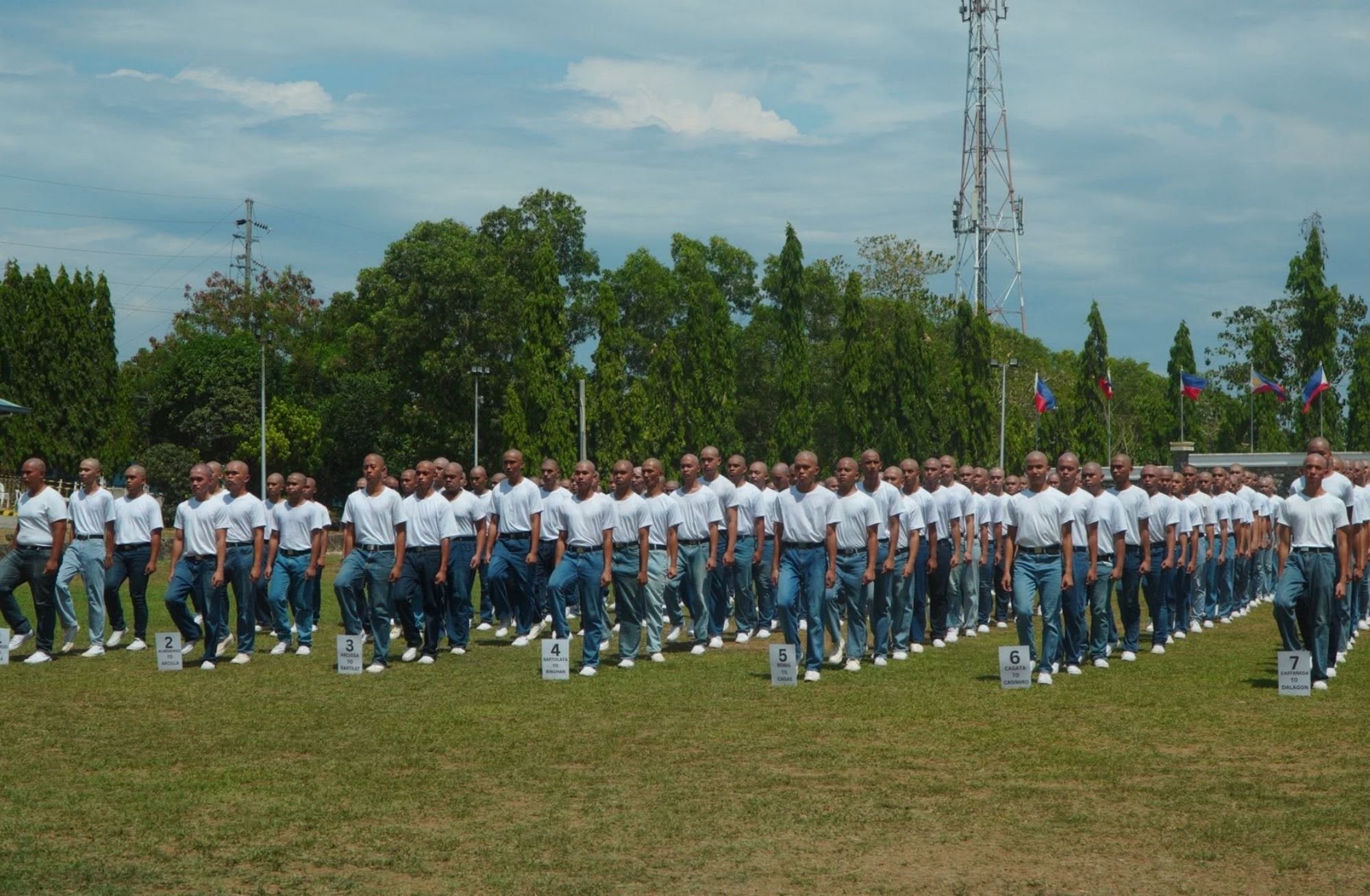
PHOTO COURTESY: IMEC Philippines
Cadet Development
Q. Cadet training is crucial to developing the next generation of officers. How is IMEC supporting Filipino cadets, and what improvements would you like to see in their training?
A. IMEC has been training cadets in the Philippines for the last 18 years, and we are proud of the enhancements we have brought to our programmes. Last week, we inducted our largest ever cohort of new cadets at the Maritime Academy of Asia and the Pacific, with 267 new starters, and we currently have more than 1,000 cadets in training across our regular cadet programme and our Bridging Engine Cadet programme, through which we transform mechanical engineers into marine engineers through an accelerated course. Our intentions are clear: unlike some other schools in the country, we guarantee both training berths and future employment to our students and graduates. The recent addition of an IMEC-dedicated academic building at MAAP, supported by an investment of over $4.75 million, should make clear how we view the future. The next step is to ensure these officers are future-ready and prepared for the challenges that alternative fuels, new engines and digitalisation will bring; this is where we are now focusing our future developments.
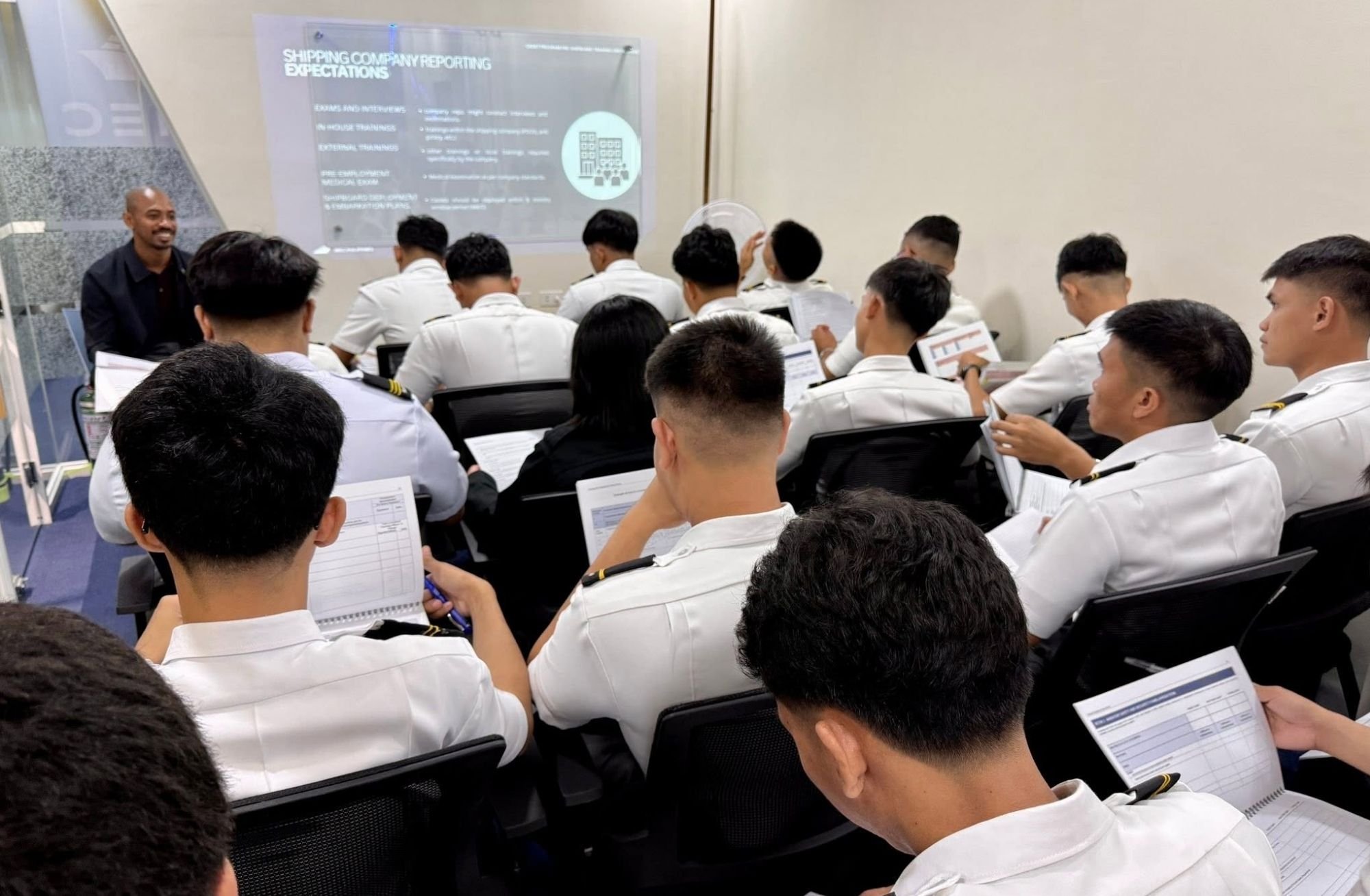
PHOTO COURTESY: IMEC Philippines
Philippine Maritime Education
Q. Based on IMEC’s experience working with Philippine maritime institutions, how do you assess the current quality of maritime education and training, and where can further improvements be made?
A. I would have to say that the landscape is patchy. There are institutions that have achieved true excellence, thanks largely to significant investment from European and Japanese shipowners. At the same time, there remains a wide range of schools that appear to graduate students primarily to benefit from tuition fees, without giving them a realistic prospect of joining the international fleet. My advice to anyone aspiring to join our industry is to be very careful about the college they choose. Too many institutions are failing students by not securing the vital training berths they need to complete their education and, worse still, by not providing meaningful job opportunities when this long journey through academia ends and the seafarer achieves the coveted Certificate of Competence. The enhancements introduced through the Magna Carta for seafarers were an essential first step in the right direction, but it is disappointing to see some maritime training providers resisting them despite the clear benefits for seafarers.
PHOTO COURTESY: IMEC Philippines
Employment and Career Opportunities
Q. Looking toward the next five to ten years, do you expect employment opportunities for Filipino seafarers among IMEC members to grow, and which positions will see greater demand?
A. The answer is a definite yes, provided the Government ensures that the concerns I have described are addressed. The industry continues to expand, and employers’ strong preference for Filipino seafarers remains clear, even if it has been tested by concerns around the claims culture. Focusing on officer positions will create opportunities for young Filipinos for years to come if these issues are resolved. The next frontier is ship management. If the many senior officers currently at sea are supported into shore-based roles when their life circumstances change, the Philippines could develop an extensive pool of potential superintendents to serve this sector. The cost of setting up ship-management businesses in the Philippines is a fraction of what it is in current industry centres, so, given the right conditions, this next step should be highly attractive.
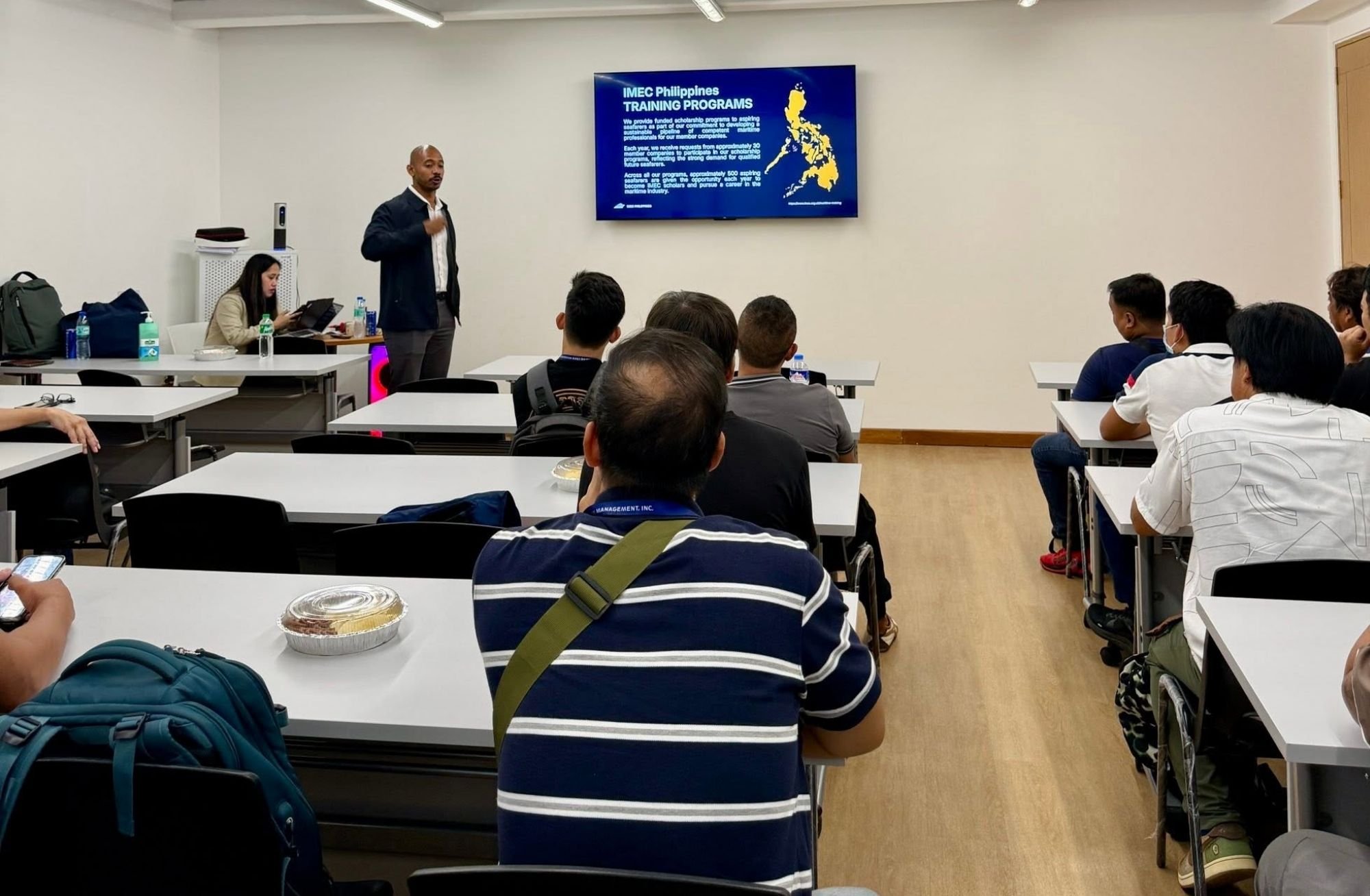
PHOTO COURTESY: IMEC Philippines
Geopolitical Tensions
Q. With ongoing geopolitical tensions affecting important shipping routes, how are international maritime employers balancing operational requirements with their responsibility to protect the safety and welfare of seafarers onboard?
A. This is a genuinely difficult balancing act. The current geopolitical tensions affecting key shipping routes continue to reshape trading patterns and operational decisions across the industry. Shipping has always been remarkably resilient and adaptable, but throughout these changes our priority must remain the safety and welfare of seafarers.
IMEC has long been involved in developing and maintaining special terms and conditions for seafarers operating in High Risk and Warlike Areas. These provisions are designed to recognise the additional challenges and risks involved, and we are pleased that the Department of Migrant Workers continues to acknowledge and endorse these designations.
As with any complex collective bargaining agreement, differences of interpretation can sometimes arise. One area where we continue to encourage clarity is in relation to the IBF severance payment provisions. IMEC\'s understanding, based on the agreements negotiated with the ITF and its affiliated unions, is that these provisions are intended to protect seafarers from financial loss when their employment is terminated before the completion of their contract as a result of circumstances linked to a High Risk or Warlike Area.

Put simply, the severance payment is intended to compensate a seafarer when their contract is cut short and they are unable to complete the period of employment they originally signed up for. Where a seafarer completes their contract as planned or is transferred to another vessel in order to complete the balance of that original contract, there is no loss of contracted employment and therefore, in our view, the circumstances giving rise to severance do not exist.
It is important that these provisions are applied consistently and in accordance with their intended purpose. Clear and predictable application of collectively agreed terms helps ensure that seafarers receive the protections they are entitled to, while also giving employers the confidence to continue providing opportunities and investing in responsible employment practices. Ultimately, our shared objective is a fair and sustainable framework that protects seafarers while enabling global trade to continue safely and efficiently.
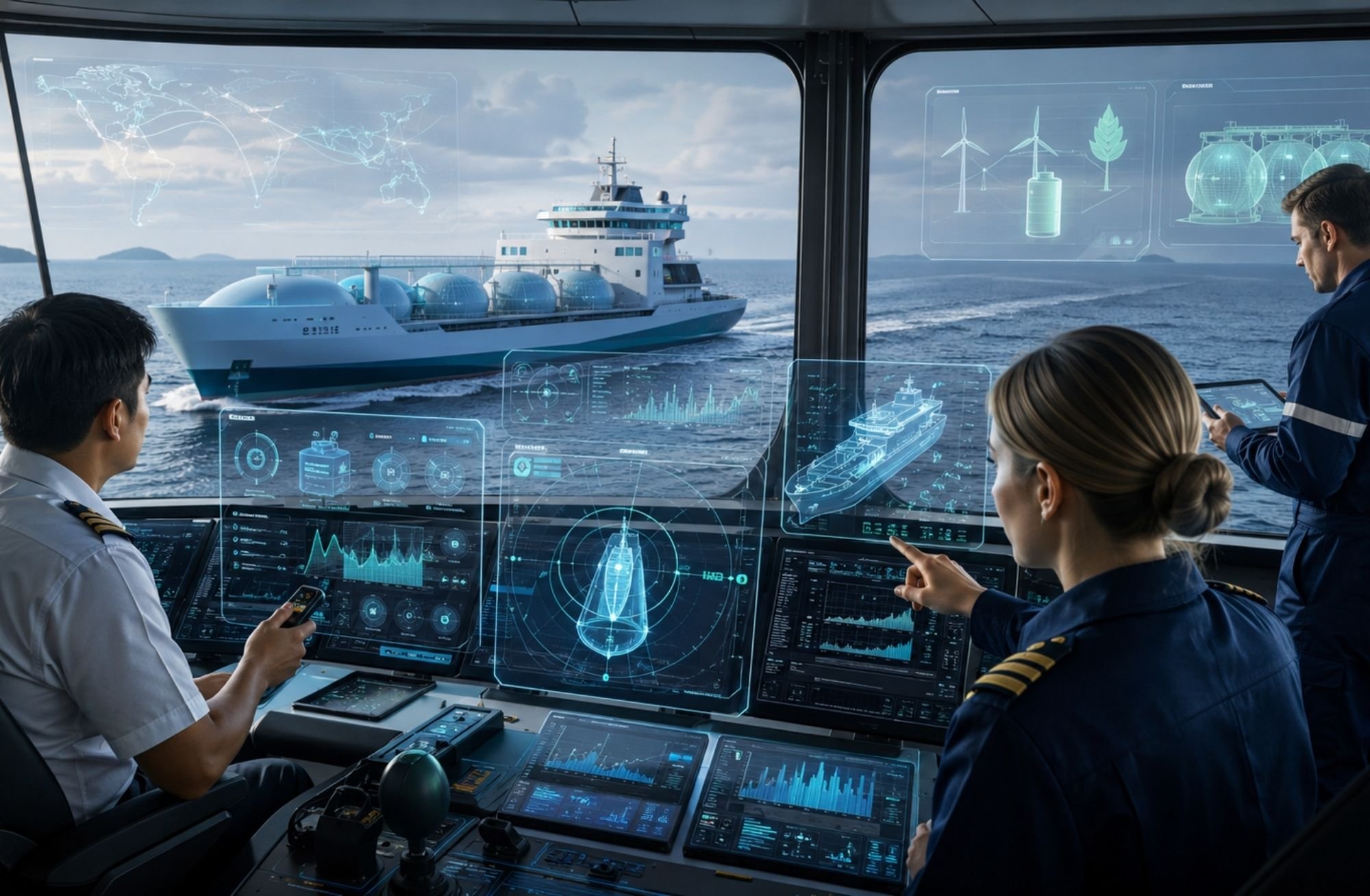
Digitalization and Artificial Intelligence
Q. Digitalization and artificial intelligence are transforming shipping operations. How do you expect these technologies to change seafarers’ jobs, and what new skills will maritime professionals need to develop?
A. Digitalisation and artificial intelligence will not remove the need for seafarers, but they will significantly change the nature of many roles onboard. Increasingly, routine monitoring, reporting and administrative tasks are being automated, allowing seafarers to focus more on decision-making, safety management and operational oversight.
As a result, the industry will need maritime professionals with stronger technical, analytical and leadership skills. The ability to understand and work with increasingly sophisticated systems will become just as important as traditional seamanship skills.
This is an area where IMEC is investing heavily. Through our training fund, IMTF, we are supporting dozens of Members in their efforts to develop new training programmes and modernise training facilities to prepare seafarers for the technologies that are already being introduced across the global fleet.
We have also recently expanded our support for Electro-Technical Officer training and have already assisted in the development of 192 new ETOs during the first two years of the programme. These professionals will play an increasingly important role as vessels become more technologically advanced.
The pace of change is accelerating, and our objective is to ensure that seafarers are not simply adapting to that future but are fully prepared to lead it.
Decarbonization and Alternative Fuels
Q. As shipping moves toward decarbonization and alternative fuels, how is IMEC helping prepare seafarers for new technologies, new fuels, and the additional safety requirements they bring onboard?
A. Decarbonisation represents one of the most significant transformations the shipping industry has ever faced. The introduction of alternative fuels such as methanol, ammonia and other low-carbon technologies will require entirely new competencies and enhanced safety procedures onboard.
While much attention is focused on ships and engines, the success of the transition will ultimately depend on people. Seafarers will need new knowledge; new operational skills and a clear understanding of the risks associated with these emerging technologies.
IMEC and its Members have already begun investing in the training infrastructure needed to support this transition. Through our training initiatives we have helped enhance facilities in the Philippines and elsewhere to ensure that future officers are prepared for the realities of operating these new systems safely and efficiently.
We are also working closely with engine manufacturers and other industry partners to develop meaningful collaborations that will help ensure training evolves alongside technological progress.
The challenge is substantial, but so is the opportunity. If we prepare properly, today\'s cadets will become the generation that successfully leads shipping\'s transition to a cleaner future.
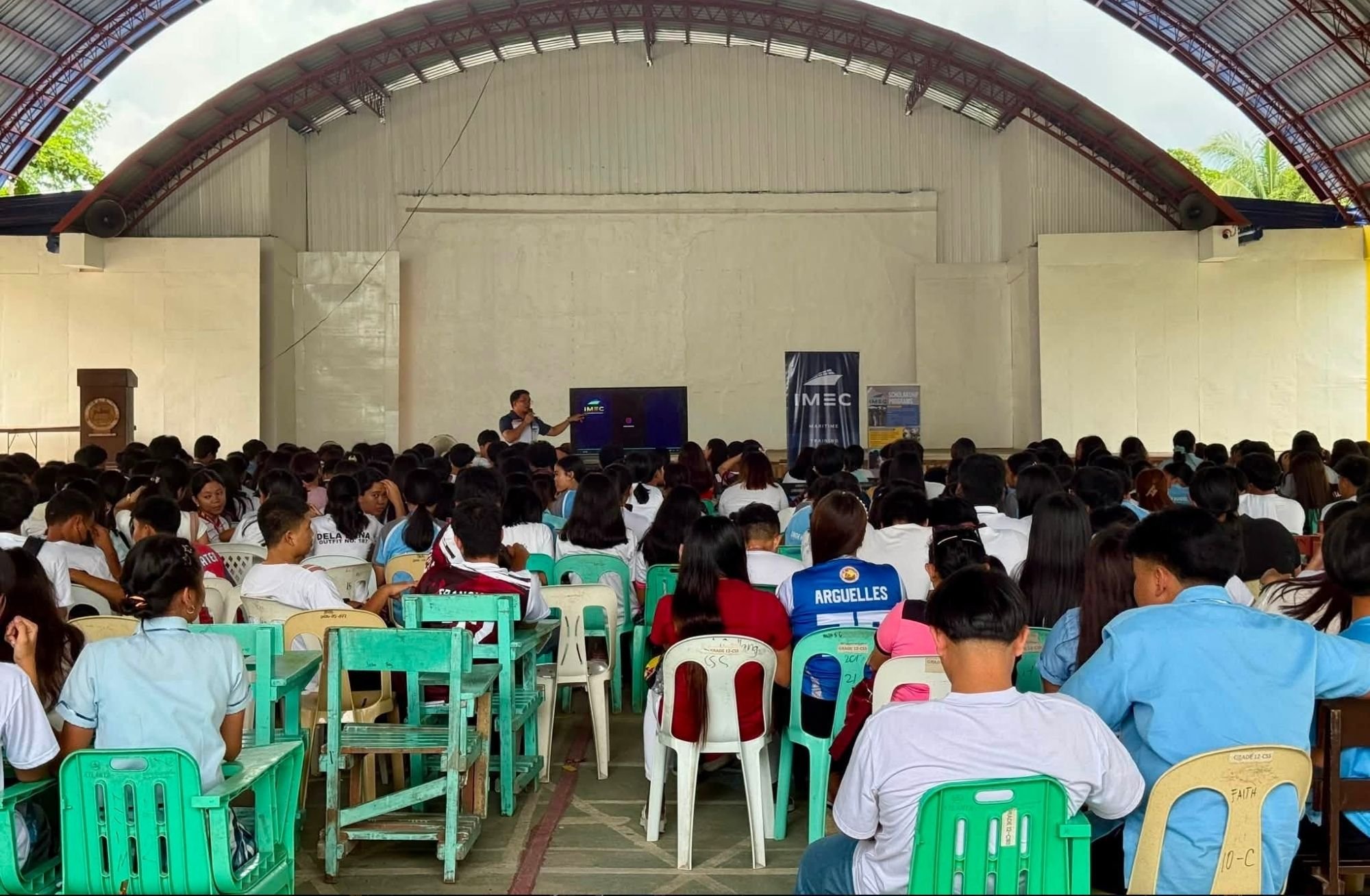
PHOTO COURTESY: IMEC Philippines
Attracting the Next Generation
Q. The maritime industry faces challenges in attracting young people. What can employers, schools, and organizations like IMEC do to make seafaring more attractive to the next generation?
A. This is one of the defining challenges facing our industry. Shipping offers extraordinary opportunities, but we must ensure that young people understand the breadth of careers available and can see a clear pathway to success.
Employers, schools, training providers and organisations such as IMEC all have a role to play. We need to show that modern shipping is a highly professional, technologically advanced and globally connected industry that offers rewarding careers both at sea and ashore.
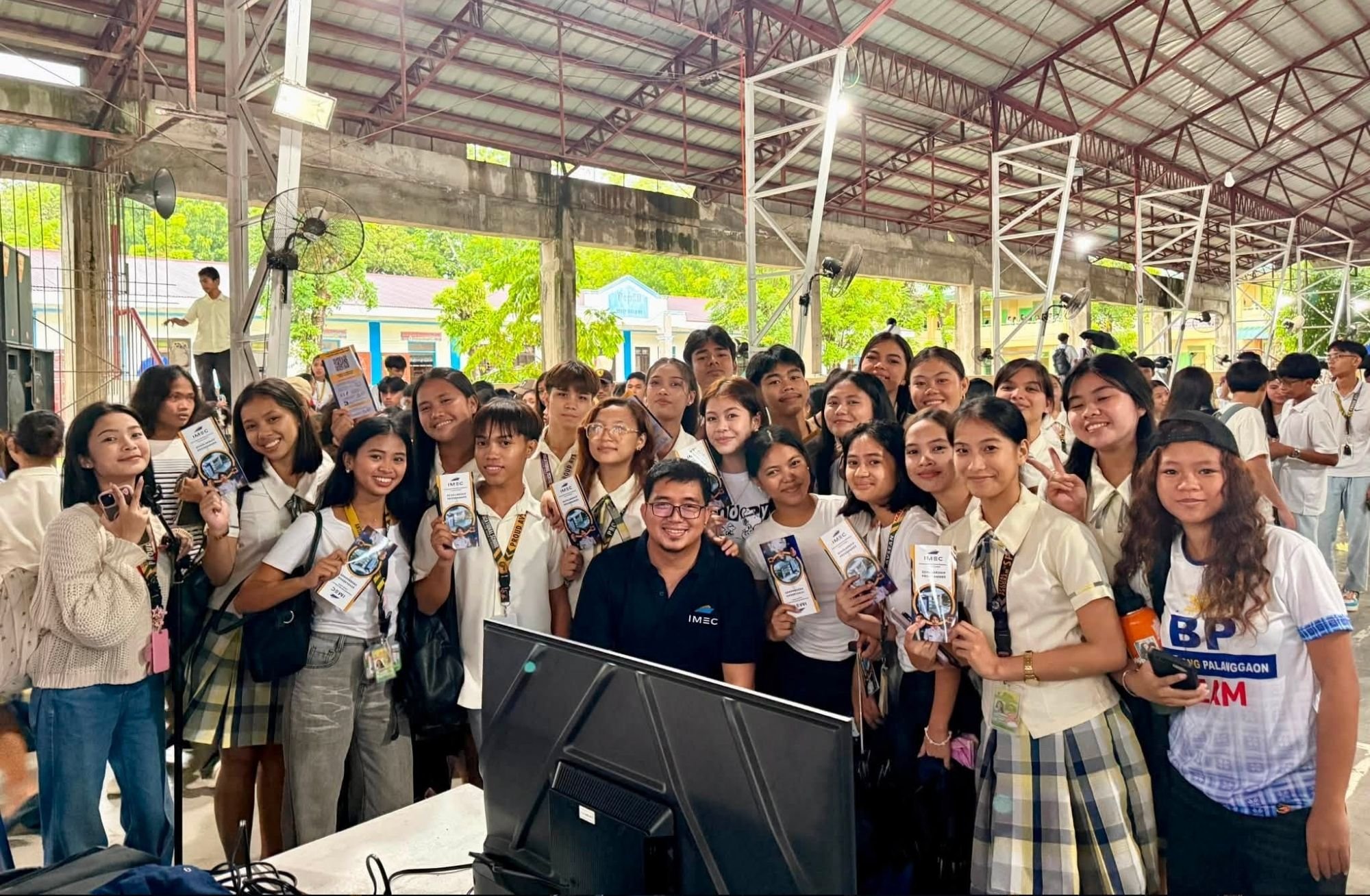
PHOTO COURTESY: IMEC Philippines
Young people today often have different expectations from previous generations. They place great importance on personal development, wellbeing, career progression and the opportunity to work with innovative technologies. The industry must recognise those expectations and continue evolving to meet them.
As a father of three boys, I see first-hand how differently young people learn, communicate and approach their career choices. Successful recruitment strategies must reflect those realities rather than rely on approaches that worked a generation ago.
At IMEC, we are committed to helping our Members create attractive career pathways, modern training environments and supportive workplaces that allow talented young people to thrive. If we get that right, I am confident that shipping will continue to attract the next generation of maritime professionals for many years to come.
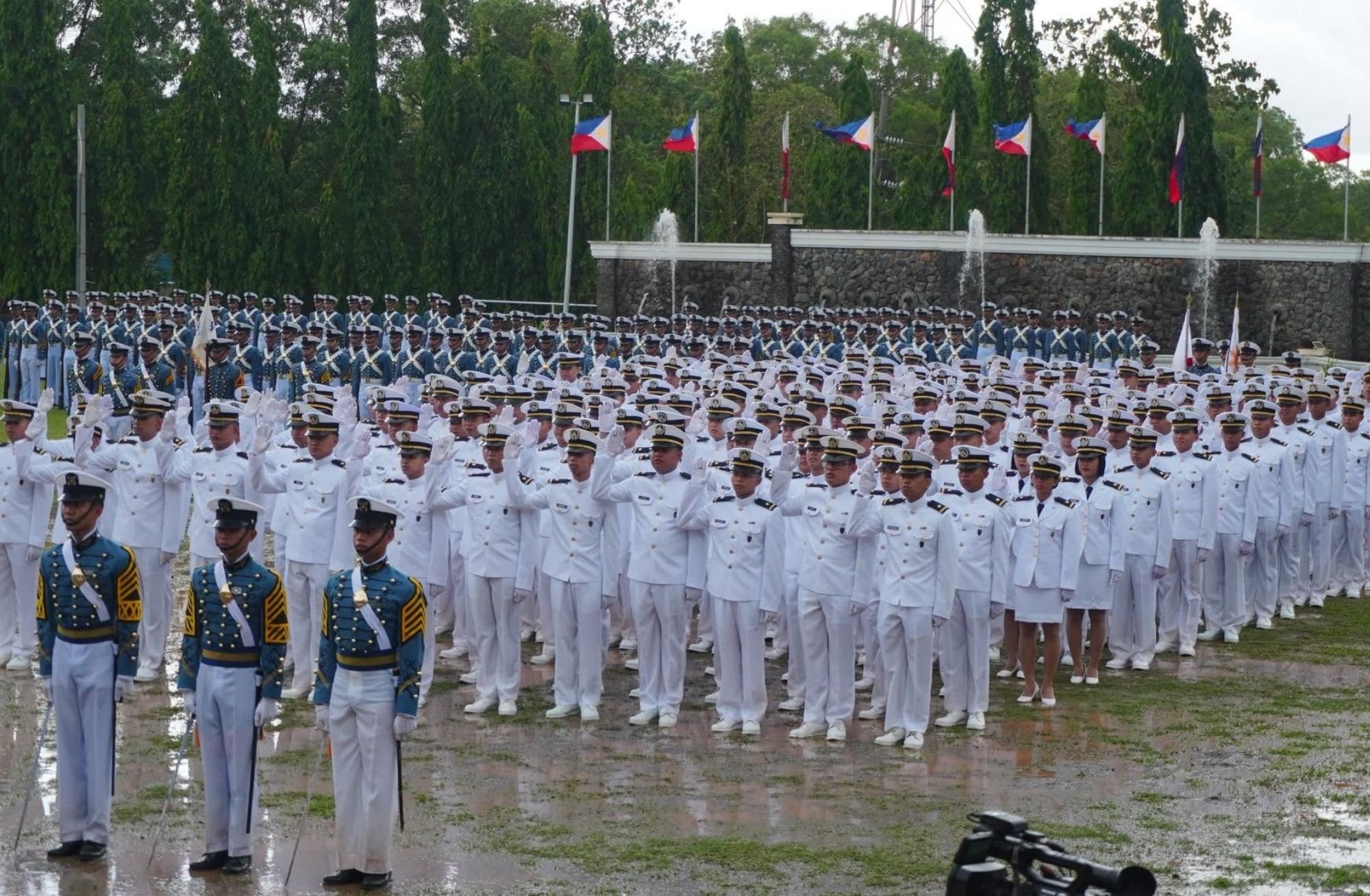
PHOTO COURTESY: IMEC Philippines
IMEC’s Future Plans in the Philippines
Q. Finally, what are IMEC’s future plans for the Philippines, particularly regarding cadet development, maritime education, employment opportunities, and strengthening cooperation with the Philippine maritime industry?
A. We have ambitious plans for our programmes in the Philippines because we remain firmly committed to the country as one of the world’s leading sources of maritime talent. Our investments will continue to focus on three key areas: training infrastructure, educational excellence, and leadership development.
In practical terms, this means further enhancing our facilities and training programmes to ensure that cadets and young officers are prepared for the realities of a rapidly changing industry. The transition towards new fuels, new engine technologies, and increased digitalisation will require different skills, and we are already investing in the infrastructure and educational resources needed to support that transition.
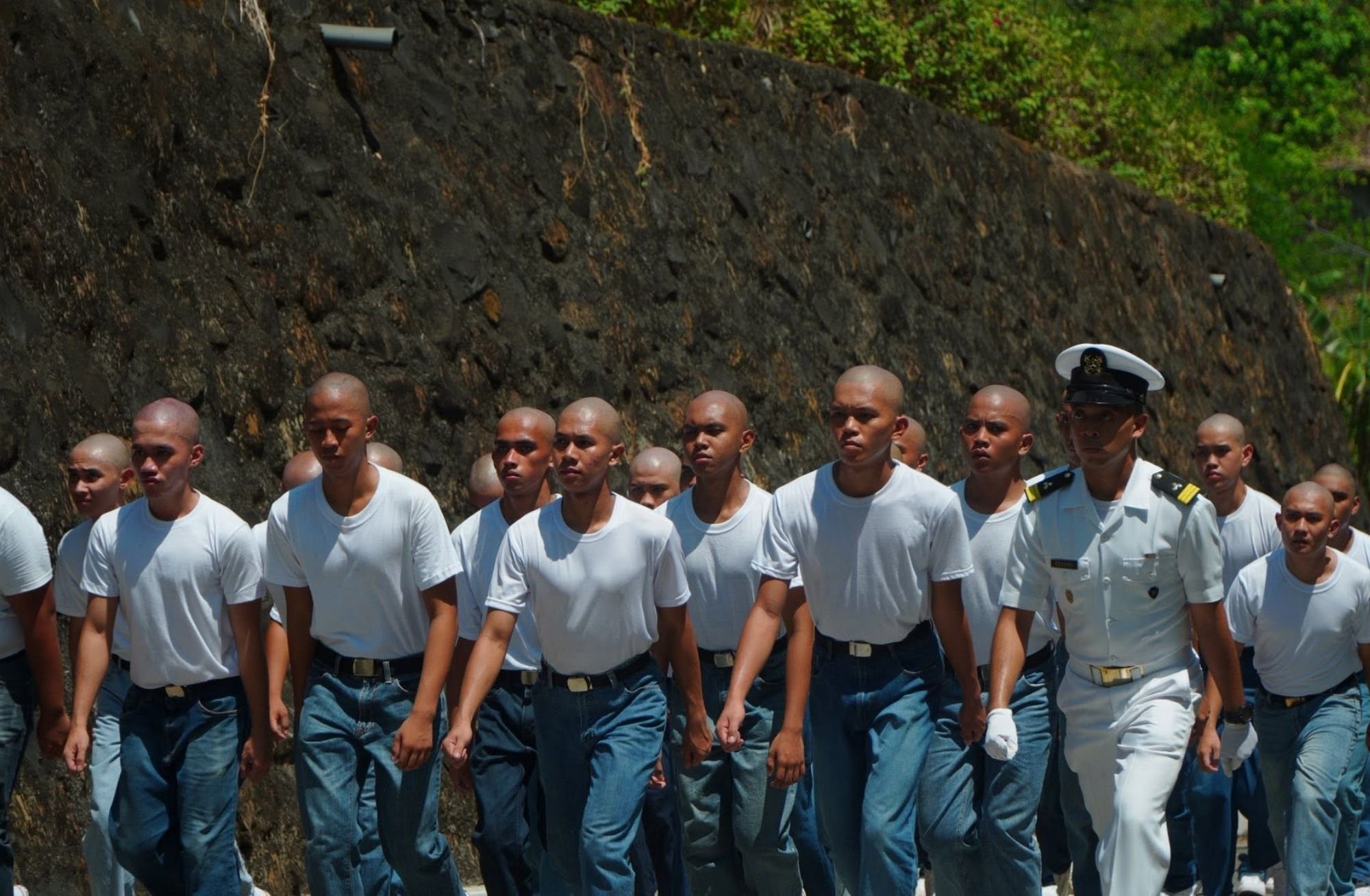
PHOTO COURTESY: IMEC Philippines
A particular area of focus will be the continued expansion of Electro-Technical Officer training and the development of specialised programmes that prepare seafarers to operate and maintain increasingly sophisticated vessels. We want Filipino maritime professionals to be at the forefront of these technological changes, not merely adapting to them.
Beyond technical competence, however, our long-term objective is to help develop the next generation of maritime leaders. Throughout this interview I have spoken about the growing demand for senior officers, superintendents, fleet managers and other leadership positions. We want to help ensure that more Filipino seafarers are able to progress into those roles, both at sea and ashore.
Looking ahead, I believe the Philippines has the potential not only to remain the leading source of seafarers for the international fleet, but also to become a genuine centre of excellence for maritime leadership, ship management and maritime education. IMEC intends to be an active partner in helping make that vision a reality.

The interview with MARINO PH Editor-in-Chief Dr. Reno Bolivar reflects an outlook in which Filipino seafarers remain strongly valued by international maritime employers, but where the opportunities available to them are moving beyond the traditional roles historically associated with the Philippine maritime workforce. Gargiulo sees particular potential in developing more Filipino senior officers, Electro-Technical Officers, superintendents, fleet managers and other maritime leaders who can eventually take on greater responsibilities both onboard and ashore.
His responses also point to areas that require continued attention. Maritime education must provide students with a realistic pathway from the classroom to shipboard training and employment. The Philippine employment environment must remain attractive to responsible international employers, while seafarers must receive the protections provided under Philippine law and applicable collective agreements. At the same time, Filipino maritime professionals will need to prepare for ships that are increasingly digital, automated and powered by new types of fuel.
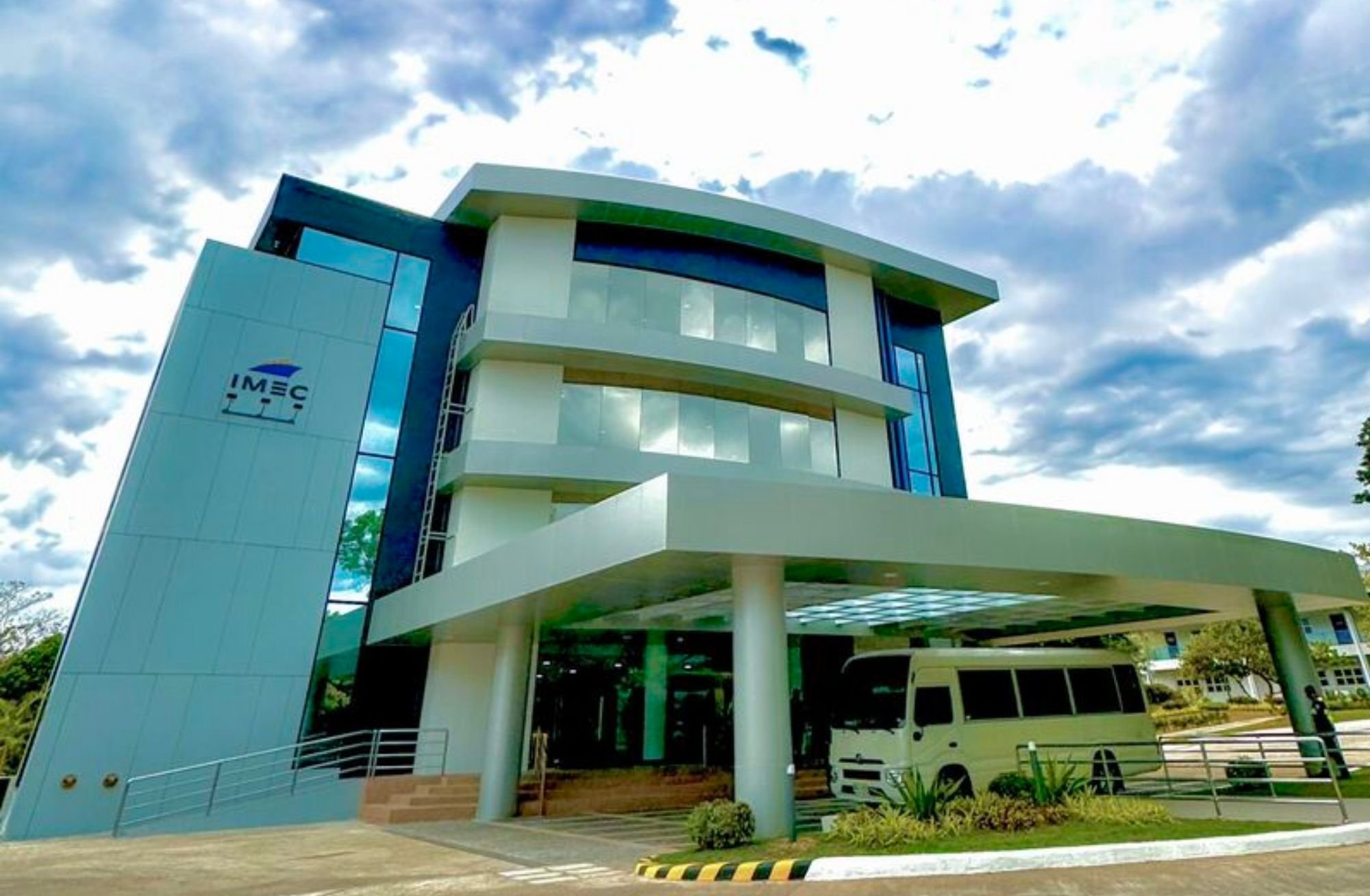
PHOTO COURTESY: The International Maritime Employers\' Council Ltd (IMEC)
For the next generation, this means that a career at sea will demand more than traditional technical competence. Leadership, analytical ability, digital proficiency and an understanding of increasingly advanced vessel systems will become important parts of professional development. Gargiulo’s comments also suggest that the Philippines has an opportunity to extend its maritime strength ashore by building a larger pool of experienced superintendents, fleet managers and ship-management professionals.
For IMEC, its direction in the Philippines is clear. Its investment in cadet training, the more than 1,000 cadets currently in its programmes, the development of 192 ETOs, its more than US$4.75-million investment in an IMEC-dedicated academic building at MAAP, and its plans for further training and leadership development demonstrate a continuing commitment to the Philippine maritime workforce.

As global shipping enters another period of technological, environmental and geopolitical change, the Philippines faces both a challenge and an opportunity. Maintaining its position as a major supplier of maritime professionals will require quality education, reliable training pathways, responsible employment practices and Filipino seafarers who are prepared to progress into increasingly technical and senior positions.
The message emerging from Dr. Reno Bolivar’s exclusive MARINO PH interview with IMEC CEO Francesco Gargiulo is that the international maritime industry continues to see a future for Filipino seafarers. That future, however, increasingly extends beyond supplying manpower to ships. It includes developing officers, technical specialists and maritime leaders capable of taking senior positions at sea and eventually contributing to ship management, fleet operations and maritime leadership ashore. If those opportunities are matched by continued investment, effective regulation and quality maritime education, the Philippines can remain an important part of international shipping while creating stronger and more varied career paths for future generations of Filipino maritime professionals.
